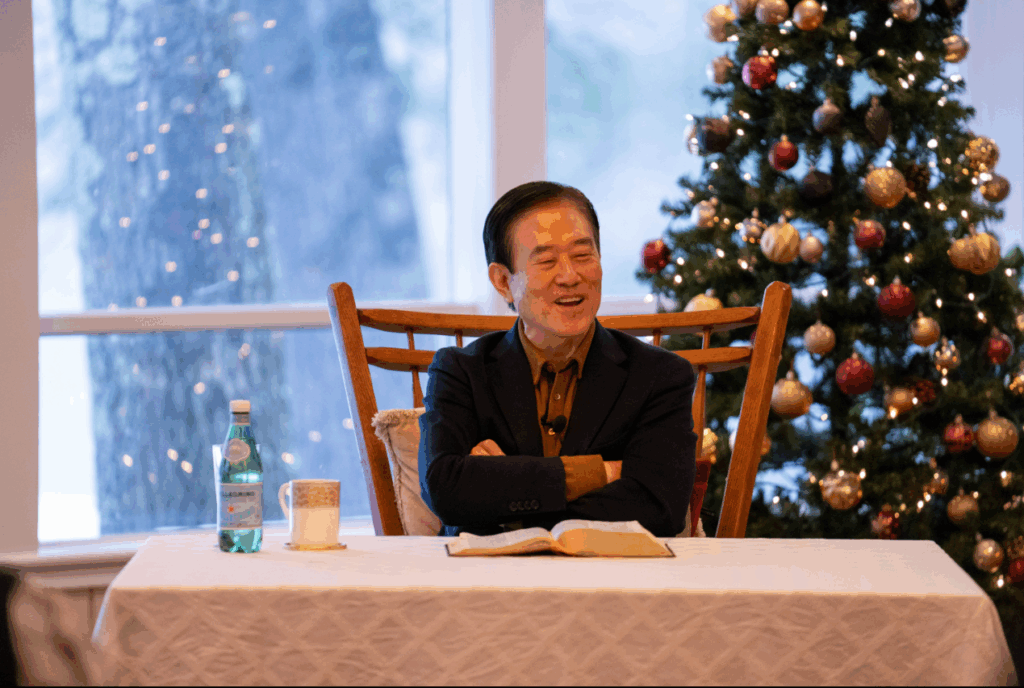
1. The Background and Significance of the Gethsemane Prayer
The scene of Jesus praying in the Garden of Gethsemane, right before His crucifixion, is widely regarded as one of the most dramatic and profound moments in the life of Jesus Christ. It appears in the Synoptic Gospels—Matthew, Mark, and Luke—where each vividly conveys the agony, solitude, and wholehearted submission to God’s will that Jesus displayed through prayer. John’s Gospel, on the other hand, does not include a direct account of the Gethsemane prayer. One possible interpretation is that John believed he had already shown Jesus’ firm determination to go the way of the Cross in His farewell discourse (John 13–16). Each Gospel presents slightly different emphases on Jesus, yet all the Synoptic Gospels consistently portray the depth of Jesus’ prayer as He stood before the extreme suffering of the Cross. Even to this day, the spiritual lesson embedded in that prayer remains a vital subject that no person of faith should overlook.
In particular, Mark 14:32–42 offers a condensed depiction of Jesus entering the Garden of Gethsemane, engaging in a brief exchange with His disciples, praying alone until His sweat became like drops of blood, and finally declaring, “Rise! Let us go!” as He sets forth decisively toward the Cross. Gethsemane is located on the slopes of the Mount of Olives east of the Temple in Jerusalem, and its name means “oil press” or “oil mill,” indicating that olives were likely harvested and pressed for oil there. Additionally, the titles Messiah (Hebrew) or Christ (Greek) both mean “the Anointed One,” underscoring a profound spiritual symbolism that connects Jesus to this place.
In his explanation of the significance of the Garden of Gethsemane, Pastor David Jang notes that the Mount of Olives was known to symbolize “peace” and “eternity.” When people welcomed Jesus as the King of Peace upon His entry into Jerusalem, they hoped for immediate deliverance from their problems. Yet instead of a royal crown of triumph, Jesus wore the crown of thorns—the symbol of His suffering. The last place He stayed before being crucified was the Garden of Gethsemane. While this garden was originally an oil press, it became the site where the Messiah, who was worthy of a “formal anointing,” instead offered a wrenching prayer of sweat and tears. This stark contrast powerfully highlights that the One who was truly King was driven to the most degrading form of death.
Another significant backdrop is the Kidron Valley, which Jesus and the disciples crossed on their way into the Garden of Gethsemane. It is thought that during Passover, when hundreds of thousands of lambs were sacrificed in the Jerusalem Temple, the blood flowing from the altar would run down into the Kidron stream, staining the valley red. Jesus crossed that blood-stained brook, likely fully aware that He Himself was about to become the Lamb of God who would shed His blood for humanity. Pastor David Jang interprets this to mean that Jesus already grasped the weight of His mission and did not shrink back. As the Lamb who would atone for the sins of the world, He had to fully bear a redemptive drama still hidden from the disciples’ understanding.
Recalling the Gethsemane prayer reminds us that Jesus was not some superhuman hero who resolved His decision effortlessly. Rather, He was a “true man” who experienced physical pain and fear just as we do. Mark’s Gospel says that Jesus “began to be deeply distressed and troubled” (Mark 14:33), and Hebrews 5:7 says He “offered up prayers and petitions with loud cries and tears.” These descriptions suggest that in His Gethsemane prayer, Jesus truly expressed a terror of death. His desperate plea—“Abba, Father, everything is possible for You. Take this cup from Me” (Mark 14:36)—shows the very human anguish He felt in the face of inevitable suffering.
Yet the decisive point is that His prayer concludes with the words, “Yet not what I will, but what You will.” In this, we see an act of “obedience unto death.” Pastor David Jang often refers to it as “faith that believes in God’s possibility even when the situation seems impossible,” because Jesus’ cry of “Abba, Father” and His total surrender are rooted in the absolute trust that the almighty Father would ultimately lead Him on a good path. If even Jesus, bearing the colossal mission of humanity’s salvation, cried out, “Take this cup away from Me,” we can glimpse how immense this agony must have been. At the same time, Jesus proved His trust by choosing His Father’s will over His own.
Another crucial fact here is that while Jesus wrestled in prayer alone, the disciples fell asleep. As Jesus prayed so intensely that His sweat was like drops of blood, not even one hour of vigilance was maintained by His closest followers. Their failure to watch with Him only deepened the loneliness on the path to the Cross. When the moment of His arrest came, they all scattered; further on, Peter denied Him three times in the courtyard of the High Priest. This underlines how the Passion of Christ was a lonely road that nobody else could share. In His statement, “Rise! Let us go!” (Mark 14:42), we see that Jesus had already overcome the fear of death through prayer and was now resolute in His decision. This prayer empowered Jesus to proceed unwaveringly toward the Cross.
Therefore, the Gethsemane prayer poses a question for believers: “Can you candidly acknowledge your human frailty, and still trust entirely in God’s goodness enough to submit to Him?” Even if suffering and fear remain, Jesus demonstrated in His relationship with the Father—by crying out “Abba, Father”—that it is ultimately possible to obey the Father’s will. This scene is the key to understanding the Cross. Although Jesus could have avoided it, He finally chose God’s will over His own, even while praying “let this cup pass from Me.” For that reason, the Cross is not an act of helpless resignation; it is the conscious decision of love. Gethsemane is the stage where that decision is tangibly revealed and a foreshadowing of the nature of the Cross and Resurrection soon to follow.
Pastor David Jang, in multiple lectures and sermons, has stated that one cannot fully grasp the Cross without the Gethsemane prayer. Even though Jesus was “the One who deserved to be anointed as King,” He still pleaded in anguish, “Take this cup from Me,” indicating that the Cross was not some trivial decision. Yet it was, at the same time, the path leading to the glory of the Resurrection. Because suffering and glory are inseparable—likewise the Cross and Resurrection cannot be separated—Jesus’ prayer contains the decisive power of obedience that overcame the agony. This is the enduring spiritual lesson for us today.
2. The Weakness of the Disciples and the Solitude of Christ
While the anguish and prayerful struggle of Jesus take center stage in the Gethsemane narrative, it is starkly contrasted with the disciples’ frailty. In Mark 14:26 and the verses following, after the Last Supper, they “sang a hymn and went out to the Mount of Olives.” Jesus undoubtedly felt the weight of His impending Passion, yet the disciples appear not to have grasped its gravity, following Him in a relatively casual frame of mind. Peter declared, “Even if all fall away, I will not,” but that resolve would soon shatter when Jesus was arrested.
Upon ascending the Mount of Olives and reaching the Garden of Gethsemane, the disciples failed to keep watch; they eventually fell asleep while Jesus prayed. Matthew, Mark, and Luke all record these instances of their repeated slumber. Jesus asked if they could not watch even one hour, and implored them to “watch and pray so that you will not fall into temptation,” yet they were overwhelmed by weariness, ignorance, or spiritual numbness. Then, when He was actually seized, they fled; even Peter denied knowing Jesus three times in the courtyard of the High Priest. The Synoptic Gospels lay bare the disciples’ failure without minimizing it.
Among these failures, the anonymous incident in Mark 14:51–52 grabs attention. It speaks of a young man who followed Jesus wearing nothing but a linen cloth; when they tried to seize him, he ran off naked, leaving the cloth behind. Tradition has often suggested that this youth might have been Mark himself. Pastor David Jang points out that this detail shows how the early Christian community did not hide even its most embarrassing failures. Gethsemane was not just one person’s mistake; it vividly illustrates how quickly human resolve and willpower can collapse.
Peter’s denial is an even more striking example. After boasting, “I will lay down my life for you,” Peter buckled under a maidservant’s single question, insisting, “I don’t know Him at all!” According to Scripture, at the third denial, the rooster crowed, and Peter remembered Jesus’ words, breaking down in tears. This was a total failure by the disciple who had been a central figure in Jesus’ circle—fulfilling the prophecy, “Strike the Shepherd, and the sheep will be scattered.”
Against this backdrop, Jesus’ solitude stands out even more. The closest associates, who had promised to cherish His teachings for life, abandoned Him when it truly mattered, cowering before the words of a mere servant girl. Jesus was thus forsaken by those He loved most; He could lean on no one. The Passion of Christ thus emerges as a path of utter isolation.
This loneliness demonstrates both Jesus’ humanity and the requirement that the “Sinless One” bear the sins of humanity alone, amplifying the drama of redemption. Pastor David Jang explains that this solitude of Jesus was inevitable in the history of salvation because no one else could shoulder the cost of sin. Even if the disciples had remained awake and prayed, they still could not tread that path in Jesus’ place. In the end, He had to walk it alone. Their ignorance and betrayal in Gethsemane only served to intensify that reality.
Remarkably, however, after the Resurrection, the disciples were transformed into wholly different people. Peter became a bold preacher of the Gospel in the Acts of the Apostles, and the rest confronted persecution to spread Jesus’ teachings worldwide. The embarrassment of Gethsemane ultimately led them to repentance and a clearer understanding, launching them into a deeper life of companionship with their Risen Lord. Pastor David Jang notes that their failure was not the end, but a turning point. The same is true in our own faith journeys. We cannot remain steadfast by human will and strength alone. Yet in reuniting with the Risen Christ and through the work of the Holy Spirit, we can become witnesses to the Cross and Resurrection.
Hence, the Gethsemane narrative reveals Jesus’ solitude but also lays bare the disciples’ frailty, reminding us that “without God, we cannot stand.” We may declare from our hearts that we will never abandon the Lord, but we see how easily such vows crumble when faced with real fear and trial. The Gospels highlight the disciples’ failings, but do not end there: they show how the Risen Lord covered their failures and weaknesses, guiding them back onto the path of mission. Summarizing these events, it becomes evident that the disciples’ conduct in Gethsemane illustrates how we, too, cannot stand firm on our own. And the solitude of Jesus in that moment underscores that He had to walk the path of sacrifice alone to save frail humanity.
When Pastor David Jang preaches on these themes, he emphasizes that the Gethsemane incident is not merely “a scene in which our Lord suffered,” but a paradigm for the faith community whenever it undergoes failure and returns to the Lord. Though the disciples’ experience was humiliating, the Gospels relay it unembellished to teach us two truths: first, no human is unbreakable; second, there is nonetheless a way of restoration. The disciples’ weakness at Gethsemane shows clearly that without the sacrifice of Jesus, we cannot achieve any righteousness on our own. Meanwhile, the Resurrection assures us that our frailty can be more than overcome by God’s power.
3. The Path of Obedience and Walking Together
The central teaching that Jesus demonstrates in the Garden of Gethsemane can be summed up as “absolute obedience to the Father’s will.” He openly disclosed His human weakness in the Gethsemane prayer—pleading, “Take this cup from Me”—yet He still declared, “Yet not My will, but Yours be done.” This was not resigned fatalism; it was a proactive submission grounded in His unwavering trust in the Father.
Many might be quick to say, “That was possible only because He was Jesus.” However, the Gospels carefully show how fiercely Jesus wrestled in mind and body. The mention that “His sweat became like drops of blood” points to severe emotional and physical pressure. Even so, through prayer, He firmly embraced the Father’s will, and from that point forward, nothing could deter Him from the Cross. When He said, “Rise! Let us go!” there was not the slightest hint of hesitation—precisely because the decisive battle had been won in prayer. Pastor David Jang characterizes this phenomenon as “after the Gethsemane prayer, there was not an ounce of uncertainty in Jesus’ heart.”
We see the fruit of His obedience in the Cross, which then opened the path of salvation for humankind and led to the glory of the Resurrection. Philippians 2 declares that Jesus “became obedient to death” and was “exalted to the highest place.” Thus, the Cross—though it was a place of torment and disgrace—actually revealed God’s love and power to all creation. It was Jesus’ obedience that ushered in the glorious outcome. Pastor David Jang explains that “the very fact that Jesus chose the Cross opened the door of salvation for us.” Though it appeared that He was passively arrested and crucified, in reality He was implementing the most active form of love in laying down His own life.
Moreover, Jesus extended an invitation for us to share in this same path of obedience, saying, “Whoever wants to be My disciple must deny themselves and take up their cross and follow Me.” In other words, He shows us what it means to “walk with Him.” Sometimes Christians assume that believing in Jesus will remove all suffering. Yet in fact, the Gospel explicitly states, “In this world you will have trouble.” Nonetheless, by reflecting on the suffering, solitude, and prayerful submission of Jesus, we see that such suffering does not end in despair. Remembering Jesus in Gethsemane allows us to move forward in trust that “the Father’s will ultimately works all things for good,” even if our immediate circumstances do not change.
Thus, “obedience” and “walking together” are inseparable. After treading the way of the Cross, Jesus rose again and promised the disciples, “I am with you always, to the very end of the age” (Matt. 28:20), and this promise continues to be fulfilled in believers through the Holy Spirit. Initially, the disciples dozed off in Gethsemane and fled in terror. But once they encountered the Risen Christ, they boldly proclaimed the Gospel, eventually facing martyrdom. Their transformation is a prime example of responding to Jesus’ invitation to “rise and go with Him.” In our own daily lives, we experience the presence of Christ whenever we choose to follow the Father’s will over our own—truly “not My will but Yours be done.”
Pastor David Jang often shares personal testimonies from his years in ministry, explaining how he overcame trials both large and small by meditating on the Gethsemane prayer. His point is that we initially plead, “Please let this cup pass,” but ultimately we begin to seek “What is the Father’s will?” and yield to that will. Then a path opens up, offering life and hope beyond our former imagination. Even if the suffering itself is not immediately removed, our perspective on it changes. We start to earnestly ask, “What is God doing through this?” rather than being consumed by the pain.
This obedience is never mere passivity. Although it might look like Jesus was “passively” subjected to the punishment of the Cross, He was in fact exercising the most proactive love in giving Himself. We follow that same path by refusing to succumb to fear and despair in the midst of suffering. Instead, we look upward with spiritual eyes to perceive God’s providence. This is the freedom and true liberation found in the way of obedience and walking together with Christ. Those on this path realize, “Our Lord has already walked this road,” and can hear Him beckon, “Rise! Let us go!” even in dire circumstances.
Finally, the path Jesus took after His Gethsemane prayer led Him to be crucified. Under Roman rule, crucifixion was the cruelest and most shameful punishment. No one would have associated it with “glory.” However, the Resurrection made it known to all that this road of shame and suffering was actually the road to victory and salvation. In our spiritual journey, we often long only for the “glory of the Resurrection,” but without first facing the suffering path that Jesus prepared for in Gethsemane, we cannot truly grasp the fullness of that joy. Pastor David Jang repeatedly stresses, “Without Gethsemane, there is no Cross; without the Cross, there is no Resurrection.” Jesus’ agony, solitude, and absolute obedience revealed the Resurrection power in its entirety.
We see this reflected in the disciples’ failure and subsequent restoration as well. They fell catastrophically in Gethsemane, but after meeting the Risen Lord, they acknowledged and repented of their betrayal and shame, and were completely transformed. In fact, their past failures became invaluable assets in building the early church. Peter’s recollection of his own humiliating denial enabled him to become a more compassionate and bold leader, supporting others who stumbled. This indicates that the solitude and tears of Gethsemane did not remain a mere tragedy but were instead turned into “overflowing grace” in the life and power of the Resurrection.
Hence, the Gethsemane story reveals how easily humans can fail, and just how painful Jesus’ solitude was. Yet, it also shows that “those who trust the Father’s will to the end will be victorious”—a reality confirmed by Jesus’ path. By recording that intensely personal prayer, the Gospel writers do more than narrate Jesus’ suffering; they underscore that we are invited to join Him in this path. Jesus attained the glory of the Resurrection at the end of His journey, and the disciples were reborn through their Easter faith, becoming the foundations of the church we know today. In our own walk of faith, contemplating the Gethsemane prayer helps us face life’s trials with the heart-cry, “Abba, Father, not my will, but Yours be done.”
Though the path that weaves together suffering and glory is far from smooth—we may pass through valleys of tears, encounter betrayal and rejection, and see our own weaknesses—Jesus has already traveled it. And He is there calling, “Let us go together,” which is our greatest comfort. This ensures that obedience does not end in a sorrowful finality but culminates in the promise of the Resurrection life. That is where we find true “walking together.” The Gethsemane prayer thus demonstrates a life of “trusting God’s love and providence even in tears and pain,” and putting that faith into action.
Consequently, Jesus’ prayer in Gethsemane serves as the most realistic example for our spiritual pilgrimage. Everyone will face a “Gethsemane” moment, big or small, at some point in life. In those moments, we can pray as Jesus did: “Father, if it is possible, may this cup be taken from me. Yet not my will, but Yours be done.” Our faith is tested to see if we can fully yield to God. At Gethsemane, Jesus chose the path of obedience to the Father even while terrified by death, and His choice became the path of salvation for humanity. The disciples’ failure was grave, yet they were restored by the power of the Spirit after the Resurrection, eventually proclaiming the Gospel more boldly than ever.
Based on these truths, Pastor David Jang emphasizes that no matter what suffering or weakness we endure, if we follow the example of Jesus’ Gethsemane prayer, we, too, can experience the reality of both the Cross and the Resurrection. Those who do not forget the Gethsemane prayer will not lose sight of the profound meaning of the Cross nor the power of the Resurrection. Even if tears and failure are part of the journey, God will lead them to restoration and mission. That path is the “walk together” that Jesus calls us to—He walked it first and promises to be with us along the way.
In summary, the first section examined the background and meaning of the Gethsemane prayer. The second section contrasted the disciples’ weakness with Christ’s solitude. The third section showed how Jesus’ obedience—and our participation in that obedience—bears spiritual fruit. Although the Cross was a brutal instrument of shame, it became, through Jesus’ prayer and obedient service, the strongest sign of life and salvation via the Resurrection. The disciples recognized their own sinfulness and helplessness in the process, but by meeting the Risen Lord, they were restored and equipped for their God-given task. Thus, the Garden of Gethsemane is a pivotal scene for every believer’s meditation.
Even today, our weaknesses are often laid bare when we encounter suffering and temptation. Yet Jesus in Gethsemane proved that such times need not be our end. However desperate our situation or prayers—“Abba, Father”—if we entrust ourselves to God, we will eventually know the joy of triumphing over even death. Although the disciples slept and deserted Jesus, they were reconciled and empowered to become the most potent witnesses of His Resurrection. Likewise, we must remember that in our own times of failure or frailty, the Lord is still calling, “Let us go together.”
In the end, the Gethsemane prayer testifies that the Cross and Resurrection cannot be separated. The path Jesus walked was fraught with suffering and isolation, but it also brought God’s plan of salvation to fulfillment, culminating in glory. Within that prayer, Jesus completed the “perfect obedience,” choosing the Father’s will over His own. Through this obedience, all humanity has been ushered to the doorway of salvation. Though the disciples crumbled there, the Risen Christ raised them up and founded His Church through them, enabling us even today to hear the Gospel and live by faith.
Pastor David Jang reiterates, “Without Gethsemane, there is no Cross, and without the Cross, there is no Resurrection.” From this viewpoint, whenever we confront “smaller Gethsemanes” in our personal lives, it is in remembering Jesus’ prayer that we truly walk alongside Him. When a cross stands before us—one we cannot pass off to anyone else—our first cry will be, “Let this cup be taken from me,” yet we can still summon the courage to say, “If this is the Father’s will, I will go.” At that moment, we truly stand on the road Jesus walked, and at the end of that road lies not death but the glory of the Resurrection. This is precisely the heart of the Gospel and the core of our faith, as seen in the Gethsemane prayer and as repeatedly stressed by Pastor David Jang.
1. El trasfondo y el significado de la oración en Getsemaní
La escena de la oración en el huerto de Getsemaní es considerada uno de los momentos más dramáticos y profundos que Jesús mostró antes de enfrentar la muerte en la cruz. Los Evangelios sinópticos —Mateo, Marcos y Lucas— transmiten este suceso de forma común, revelando vívidamente la agonía y soledad que Jesús experimentó, así como la obediencia total a la voluntad de Dios que Él manifestó en la oración. Por otro lado, en el Evangelio de Juan no aparece un relato directo de la oración en Getsemaní, posiblemente porque Juan percibió que en los capítulos 13 al 16 de su Evangelio ya se presenta suficientemente la decisión de Jesús de encaminarse hacia la cruz. Aunque cada Evangelio enfatiza distintos aspectos de la persona de Jesús, todos coinciden en la profundidad de la oración que Él elevó ante la terrible prueba de la cruz. Y la enseñanza espiritual contenida en esa oración sigue siendo un tema central que los creyentes no pueden pasar por alto.
En particular, Marcos 14:32-42 describe de forma resumida el momento en que Jesús entra en el huerto de Getsemaní, el breve diálogo con los discípulos, su oración en soledad hasta sudar “como gruesas gotas de sangre”, y finalmente la escena en la que declara: “¡Levantaos, vamos!”, reafirmando su determinación de dirigirse a la cruz. El huerto de Getsemaní se ubicaba en la ladera del Monte de los Olivos, al este del templo de Jerusalén. Su nombre significa “prensa de aceite” o “lugar de extracción de aceite”, lo que indica que allí se cosechaban aceitunas para producir aceite. Al mismo tiempo, existe una profunda conexión simbólica entre este lugar y el título de “Mesías” (en hebreo) o “Cristo” (en griego), que significa “el Ungido”.
El pastor David Jang, al explicar el significado de Getsemaní, señala que el Monte de los Olivos también es conocido por simbolizar “paz” y “eternidad”. Cuando Jesús, el Rey de la paz, entró en Jerusalén, la gente esperaba una liberación inmediata de sus problemas, pero en realidad el Señor no llevó una corona de victoria, sino una corona de espinas. Precisamente, el lugar donde Él se detuvo por última vez antes de ser crucificado fue Getsemaní: un lugar dedicado originalmente a la extracción de aceite, donde el Mesías —quien merecía ser ungido como Rey— en vez de recibir una unción oficial, elevó una intensa oración con sudor y lágrimas. El contraste es dramático: aquel que estaba destinado a ser Rey es, paradójicamente, empujado a la muerte más humillante. Así, el trasfondo espacial realza la ironía y la intensidad de la escena.
Por otra parte, el arroyo de Cedrón (o torrente de Cedrón) que Jesús y los discípulos cruzaron justo antes de llegar a Getsemaní también reviste un profundo significado. Durante la Pascua, se sacrificaban en el templo de Jerusalén cientos de miles de corderos, y se estima que la sangre de los animales corría hacia el valle, tiñendo de rojo el arroyo de Cedrón. Jesús, al atravesar esas aguas teñidas de sangre, sin duda se vio a Sí mismo como el Cordero de Dios que pronto derramaría Su sangre para la expiación de la humanidad. Según la interpretación de David Jang, el Señor era plenamente consciente de la carga que llevaba y no la evadió. El Cordero de Dios que debía redimir el pecado de la humanidad debía enfrentar, en soledad, todo el drama de la salvación todavía oculto a los ojos de los discípulos.
Recordar la oración en Getsemaní nos ayuda a ver claramente que Jesús no fue un héroe sobrehumano que tomó una decisión a la ligera, sino alguien que, siendo verdadero hombre, padeció el mismo dolor y temor que experimentamos nosotros en nuestra carne. El Evangelio de Marcos describe que Jesús “comenzó a sentir temor y a angustiarse” (Marcos 14:33), y Hebreos 5:7 afirma que “con gran clamor y lágrimas ofreció ruegos y súplicas”. Estos textos sugieren que Jesús, de hecho, expresó terror y angustia ante la muerte. Su petición: “Abba, Padre, todas las cosas son posibles para ti; aparta de mí esta copa” (Marcos 14:36) revela la agonía humana que experimentó ante un sufrimiento inevitable.
Sin embargo, lo decisivo es que Su oración concluye con “no sea lo que yo quiero, sino lo que tú quieras”. Aquí encontramos la obediencia total “hasta la muerte”. David Jang explica este punto diciendo que se trata de “confiar en la posibilidad de Dios, aun en situaciones que parecen imposibles”. Y es que, al dirigirse a Dios como “Abba” y encomendarse plenamente a Él, Jesús lo hizo sustentado en una absoluta confianza en que el Dios Todopoderoso lo guiaría finalmente por un camino de bien. Cargando sobre Sí la responsabilidad de salvar a la humanidad —una misión de una dimensión totalmente diferente a los sufrimientos que solemos enfrentar—, hasta Él clamó que se le retirase esta copa, mostrándonos lo inmenso de Su aflicción. Pero también manifestó Su fe al someter Su voluntad a la del Padre.
Es importante notar que, mientras Jesús lidiaba en solitario con aquella intensa batalla en oración, los discípulos sucumbieron al sueño. Al permanecer dormidos, sin lograr velar ni una hora, evidenciaron la fragilidad humana. Esa soledad contribuyó a que el camino de la cruz fuera aún más duro. Al final, cuando los hombres apresan a Jesús, los discípulos se dispersan y, posteriormente, Pedro lo niega tres veces en el patio del sumo sacerdote. Ello demuestra que el sufrimiento de Jesús era un camino de soledad que no podía compartirse. Tras su intensa oración, Jesús declara: “¡Levantaos, vamos!” (Marcos 14:42), reflejando la decisión que había tomado en oración de vencer el temor a la muerte y avanzar inquebrantable hacia la cruz. Aquella fortaleza la recibió de la misma oración.
En definitiva, la oración de Getsemaní interpela al creyente: ¿seremos capaces de reconocer nuestra debilidad y, a la vez, de confiar por completo en la bondad de Dios y obedecerle? Aunque el dolor y el temor no desaparezcan de inmediato, Jesús nos mostró cómo, al clamar “Abba, Padre”, podemos finalmente someternos a la voluntad del Padre. Este momento en Getsemaní se convierte en la clave para entender la cruz: Jesús tenía la opción de eludirla, y aun así, a pesar de rogar “que pase de mí esta copa”, eligió la voluntad de Dios. De este modo, la cruz deja de ser un simple acto de debilidad, para convertirse en un sacrificio de amor plenamente consciente. Getsemaní pone de manifiesto esa determinación y prefigura tanto la cruz como la resurrección que habrían de venir.
David Jang enseña en varias predicaciones que sin la oración de Getsemaní, no podemos comprender a cabalidad la cruz. Aunque Jesús merecía ser ungido como Rey, suplicó “aparta de mí esta copa” con gran aflicción, dejando claro que la cruz no fue una decisión ligera. Pero, al mismo tiempo, la cruz está directamente conectada con la gloria de la resurrección. El sufrimiento y la gloria no pueden separarse, así como la cruz y la resurrección van juntas. En la oración de Getsemaní se manifiesta la fuerza de la obediencia decisiva que, tras padecer el dolor, conduce a la victoria. Y precisamente este hecho encierra una enseñanza espiritual de suma relevancia para nosotros en la actualidad.
2. La debilidad de los discípulos y la soledad de Cristo
En la escena de la oración en Getsemaní, la intensa agonía y el forcejeo en oración de Jesús resaltan fuertemente, a la par que se contraponen con la débil reacción de los discípulos. Marcos 14:26 y siguientes relatan que, después de la Última Cena, los discípulos, “cuando hubieron cantado el himno”, fueron con Jesús al Monte de los Olivos. Aunque el Señor presintiera su inminente padecimiento, los discípulos probablemente lo siguieron con un ánimo más ligero, sin comprender del todo la gravedad de la situación. Pedro incluso proclamó: “Aunque todos te abandonen, yo no lo haré”, pero aquella determinación se desintegró en el instante en que apresaron a Jesús.
Al llegar al huerto de Getsemaní en el Monte de los Olivos, los discípulos, que debían velar mientras Jesús oraba, se durmieron. Mateo, Marcos y Lucas reflejan repetidamente que los discípulos no resistieron el sueño. Jesús les recriminó que no fueran capaces de velar ni una hora y los exhortó: “Velad y orad para que no entréis en tentación”. Pero ellos, vencidos por el cansancio, la ignorancia o la insensibilidad espiritual, no supieron reaccionar. Al ver a Jesús apresado, huyeron en pánico, y hasta Pedro, en el patio de Caifás, lo negó tres veces. Los Evangelios sinópticos registran sin tapujos estos fracasos de los discípulos.
Uno de los episodios más llamativos es el de aquel joven anónimo de Marcos 14:51-52, quien seguía a Jesús cubierto apenas con una sábana, pero huyó dejando la sábana atrás cuando quisieron arrestarlo. Se especula que ese joven pudo haber sido el propio Marcos. Según explica David Jang, este pasaje demuestra que la comunidad cristiana primitiva no ocultó sus episodios de fracaso. El evento de Getsemaní no fue un mero desliz, sino una demostración cruda de lo fácil que es que la decisión y la determinación humana se desmoronen ante la adversidad.
Un ejemplo más serio es la negación de Pedro. Aquél que decía: “Estoy dispuesto a morir por Ti” cayó al ser confrontado por una sirvienta, negando con firmeza: “No conozco a ese hombre”. Después del tercer rechazo, el gallo cantó, y Pedro recordó las palabras de Jesús, quebrantándose en llanto. Este fracaso de Pedro, considerado uno de los líderes del grupo, cumple la profecía de Jesús: “Heriré al pastor, y se dispersarán las ovejas”.
En este punto, la soledad de Jesús se intensifica. Sus seguidores más cercanos, quienes prometieron atesorar Su enseñanza de por vida, lo abandonan en el momento decisivo. Se acobardan incluso ante una simple sirvienta, demostrando su cobardía. Jesús se ve abandonado por aquellos a quienes más amaba y, así, no puede apoyarse en nadie. El camino de la cruz se revela como un sendero profundamente solitario.
Tal soledad refleja la humanidad de Jesús —quien carecía de culpa— y, al mismo tiempo, realza la dimensión de Su misión: llevar el pecado del mundo entero. David Jang explica que esta soledad era inevitable en la historia de la salvación de la humanidad. Nadie más podía compartir el pago del pecado que Jesús debía asumir. Por mucho que los discípulos hubieran velado con Jesús, no podrían sustituirlo en ese camino. El Señor debía recorrerlo en absoluta soledad, y la ignorancia y la traición de los discípulos, mostradas en Getsemaní, acrecentaron la carga.
La sorpresa llega tras la resurrección: los discípulos se transforman por completo. Pedro se convierte en un líder que predica valientemente el Evangelio en el libro de Hechos, y los demás discípulos arriesgan la vida para difundir las enseñanzas de Jesús por todo el mundo. Su debilidad, exhibida en Getsemaní, los llevó al arrepentimiento y a la comprensión de su propia fragilidad, abriendo paso a un genuino caminar con el Señor. David Jang explica que el fracaso de los discípulos no fue su perdición definitiva, sino el punto de partida para un nuevo comienzo. Lo mismo puede ocurrirnos hoy: no podemos sostenernos con nuestras propias fuerzas, pero al reencontrarnos con el Cristo resucitado y experimentar la obra del Espíritu Santo, podemos convertirnos también en testigos que proclamen la cruz y la resurrección de Jesús.
Así, en la escena de la oración de Getsemaní, se destaca la soledad de Jesús y, a la par, la debilidad de los discípulos, enfatizando la imposibilidad humana de valerse por sí misma. Por más que sus corazones anhelen no abandonar al Señor, la realidad es que nuestras convicciones pueden quebrantarse con facilidad ante el temor y la prueba. Sin embargo, el mensaje de la Biblia no concluye ahí. La resurrección de Jesús cubre los fracasos y debilidades de los discípulos, guiándolos a asumir nuevamente el compromiso de su misión. Al conjugarse estos relatos, comprendemos que el modo en que los discípulos se comportaron en Getsemaní refleja nuestra propia imposibilidad de pararnos firmes sin la gracia de Dios. Y la soledad de Jesús demuestra que, para salvar a la humanidad débil, Él debía entregarse totalmente.
En sus predicaciones, David Jang recalca que Getsemaní no fue meramente un “momento de sufrimiento del Señor”, sino el modelo que debe revisitar la comunidad cristiana cada vez que padece fracasos. Aunque el suceso fuera bochornoso para los discípulos, los Evangelios lo narran sin censura porque desean mostrarnos la verdad de que “nadie es inmune a la caída” y, a la vez, que “existe un camino de restauración”. La debilidad de los discípulos, expuesta en Getsemaní, evidencia que, sin el sacrificio de Cristo, no podemos producir ningún bien. Pero la victoria de la resurrección promete el poder de Dios, capaz de superar con creces nuestras debilidades.
3. El camino de la obediencia y la comunión
Podemos sintetizar la enseñanza principal que Jesús deja en Getsemaní como la “obediencia absoluta a la voluntad del Padre”. En esa oración, Jesús pide: “aparta de mí esta copa”, dejando claro Su sufrimiento humano. Pero añade: “no sea lo que yo quiero, sino lo que tú quieras”. Así, incluso ante la muerte, no duda de la voluntad de Dios, sino que la acoge plenamente. No se trata de una sumisión forzada ni de un acto de resignación, sino de una obediencia voluntaria basada en la absoluta confianza de un Hijo hacia Su Padre.
Mucha gente puede pensar: “Jesús lo logró porque era el Hijo de Dios”. Sin embargo, los Evangelios describen con detalle la intensidad de Su lucha interna y Su dolor físico y psicológico, al punto de sudar “como gotas de sangre”. Aun así, Jesús, al orar, se aferró a la voluntad de Su Padre, y desde entonces nadie pudo detenerlo en Su camino hacia la cruz. “¡Levantaos, vamos!” fue Su mandato, resultado de la victoria espiritual lograda en la oración. David Jang expresa que, “tras la oración de Getsemaní, el corazón de Jesús no titubeó ni un ápice”.
¿Cuál fue el fruto de esta obediencia? La muerte en la cruz se convirtió en el camino de salvación para la humanidad y desembocó en la gloria de la resurrección. Filipenses 2 declara que, por haber obedecido “hasta la muerte”, Dios lo exaltó hasta lo sumo. Es decir, la cruz no es un lugar de vergüenza, sino la manifestación suprema del amor y del poder de Dios ante el mundo. La obediencia de Jesús produce este glorioso fruto. David Jang comenta: “El hecho de que Jesús eligiera la cruz abrió para nosotros la puerta de la salvación”. El aparente sometimiento pasivo ante el arresto revela la manifestación más activa y decisiva de Su amor.
A su vez, Jesús invita a Sus discípulos a seguir el mismo sendero: “niéguese a sí mismo, tome su cruz y sígame”. Es decir, nos convoca a caminar con Él, en Su misma obediencia. En ocasiones, algunos creyentes suponen que, por la fe, sus aflicciones se desvanecerán, pero el Evangelio más bien anuncia que “en el mundo tendréis aflicción”. Sin embargo, el sufrimiento, la soledad y la obediencia que Jesús mostró en Getsemaní nos garantizan que ese sendero no termina en la desesperanza. Al contemplar a Jesús en el huerto, podemos avanzar en fe, convencidos de que “la voluntad del Padre” resultará finalmente en bien, aunque el dolor no desaparezca de inmediato.
Así, “obediencia” y “comunión” están intrínsecamente unidas. Después de ir a la cruz y resucitar, Jesús prometió a Sus discípulos: “Yo estoy con vosotros todos los días, hasta el fin del mundo” (Mateo 28:20), y esa promesa se cumple mediante el Espíritu Santo en los creyentes. Al principio, los discípulos se durmieron en Getsemaní y huyeron por miedo, pero tras el encuentro con el Señor resucitado, predicaron el Evangelio con valentía, incluso entregando sus vidas. Dicho cambio refleja su respuesta efectiva a la invitación “vamos juntos”. De igual modo, cada día que elegimos “no mi voluntad, sino la del Padre” experimentamos la comunión con Cristo.
David Jang comparte a menudo experiencias de su vida pastoral en las que la meditación en la oración de Getsemaní lo ayudó a superar situaciones difíciles. En resumen, al enfrentar circunstancias dolorosas, primero rogaba: “Que esta copa pase de mí”, pero progresivamente cambiaba el foco a: “¿Cuál es la voluntad del Padre?”, sometiéndose a ella. Entonces, veía abrirse caminos antes inimaginables, caminos que llevan a la vida y la esperanza. Aun si la dificultad no se disipa de inmediato, cambia la perspectiva: busca descubrir lo que Dios quiere realizar a través de ese proceso.
De esta manera, la obediencia no equivale a resignación pasiva. Aunque Jesús padeció la cruz de forma “pasiva” —en apariencia—, en realidad, entregar Su vida fue un acto extremadamente activo y amoroso. Cuando seguimos esa senda, incluso en la aflicción, no sucumbimos al pánico ni a la desesperanza, sino que nuestros ojos espirituales se abren para contemplar la providencia de Dios. Esta es la libertad y la verdadera liberación que aporta el camino de la “obediencia y comunión”. Una persona que ingresa a este sendero sabe que es “el camino que Jesús ya recorrió”, y puede escuchar la voz del Señor que dice: “¡Levántate, vamos juntos!”, en medio de cualquier adversidad.
Finalmente, tras la oración en Getsemaní, Jesús fue conducido a la crucifixión. Esta era la pena más cruel y humillante del Imperio romano, y nadie la consideraba un “honor”. Pero con la resurrección, ese camino de humillación y sufrimiento se transformó en el sendero de victoria y salvación para la humanidad. En nuestra vida de fe, solemos desear solo la “gloria de la resurrección” sin afrontar el camino doloroso que preparó esa gloria en Getsemaní. David Jang insiste: “No hay cruz sin Getsemaní, y no hay resurrección sin cruz”. El sufrimiento y la soledad de Cristo, así como Su obediencia absoluta, hicieron posible que la potencia de la resurrección se revelara.
Lo mismo puede aplicarse al fracaso y la restauración de los discípulos. En Getsemaní cayeron rotundamente, pero al encontrarse con el Señor resucitado, reconocieron su traición y vergüenza, se arrepintieron y fueron renovados por completo. Incluso, sus fracasos pasados acabaron siendo un valioso recurso para fundar la comunidad de fe, la Iglesia. Pedro, al recordar haber negado al Señor, desarrolló un corazón más compasivo y fortalecido para sostener a otros cuando tropezaban. Ello simboliza que la soledad y las lágrimas de Getsemaní no culminan en tragedia, sino que se transforman en gracia abundante en la vida del creyente que participa de la resurrección.
Por consiguiente, en Getsemaní observamos simultáneamente cuán frágiles somos los seres humanos y cuán honda fue la soledad que padeció Jesús, pero también descubrimos que, “aun así, la obediencia a la voluntad del Padre hasta el fin” es un camino abierto para nosotros. Los escritores de los Evangelios, al registrar esta oración de manera tan detallada, no pretenden solo informar sobre el padecimiento de Jesús, sino destacar la invitación para nosotros de andar por esa misma senda. Y Jesús, habiendo llegado a la cruz, conquistó la gloria de la resurrección. Los discípulos, tras su caída, fueron restaurados por el Señor resucitado y se convirtieron en instrumentos claves para la difusión del Evangelio. Hoy, cuando contemplamos la oración de Getsemaní, reconocemos que en nuestras tribulaciones diarias podemos suplicar: “Abba, Padre, no se haga mi voluntad, sino la tuya”.
Así, aunque ese camino de sufrimiento y gloria no siempre sea llano, y debamos atravesar valles de lágrimas, traiciones y momentos de vergüenza personal, el mayor consuelo es saber que Jesús ya pasó por allí y nos llama diciendo: “¡Vamos juntos!”. Con ello, comprobamos que la obediencia no desemboca en un desenlace trágico, sino en la promesa de la vida que se revela en la resurrección. Aquí es donde cobra sentido la “comunión”: el camino de la obediencia y la comunión que Jesús inauguró en Getsemaní consiste en vivir confiando profundamente en el amor y en los designios de Dios, aun en medio de las pruebas.
En conclusión, la oración de Jesús en Getsemaní es un modelo sumamente realista para nuestro propio peregrinaje de fe. A lo largo de la vida, todos encontraremos pequeños o grandes “Getsemaníes”. En esos momentos, seremos confrontados con la misma pregunta: ¿oraremos como Jesús: “Padre, pasa de mí esta copa, pero no se haga mi voluntad, sino la tuya”? Aun en medio de la angustia frente a la muerte, Jesús eligió someterse al Padre, y con ello abrió la vía para la salvación de la humanidad. Los discípulos fracasaron de forma vergonzosa, pero tras la resurrección y la obra del Espíritu Santo, se levantaron y proclamaron el Evangelio con valentía.
Basado en estos hechos, David Jang enfatiza que “sea cual sea la prueba o debilidad que estemos experimentando, si imitamos la oración de Getsemaní, viviremos la realidad de la cruz y de la resurrección”. Quien no olvida la oración de Getsemaní no pierde el sentido profundo de la cruz ni el poder de la resurrección. Y aunque atravesemos lágrimas y caídas, siempre hallaremos el camino del restablecimiento y la misión que Dios tiene preparado para nosotros. Ese sendero es también la ruta de la “comunión”, porque Jesús, que ya lo recorrió, nos acompaña en él.
Para resumir, en el primer apartado examinamos el trasfondo y el significado de la oración de Getsemaní; en el segundo, vimos la debilidad de los discípulos en contraste con la soledad de Cristo; y en el tercero, hablamos de la obediencia de Jesús y del fruto espiritual que surge cuando andamos ese camino junto a Él. Si bien la cruz era un instrumento cruel y vergonzoso, la obediencia manifestada en esa tarea, iniciada en la oración de Jesús, se convirtió en la señal más poderosa de vida y salvación con la resurrección. Los discípulos, tras su colapso en Getsemaní, redescubrieron su pecado y su incapacidad, pero a través del Señor resucitado, fueron cubiertos de gracia y equipados para fundar la Iglesia. Todo este drama tuvo su prólogo en el huerto de Getsemaní, lugar fundamental de reflexión para todo creyente.
Incluso hoy, al enfrentar dolores y tentaciones, se expone nuestra debilidad. Pero Jesús en Getsemaní nos muestra que ese no es el fin. Aun en la aflicción más profunda, quien clama “Abba, Padre” y se somete al Padre hallará la dicha de la resurrección que supera la muerte. Los discípulos se durmieron y traicionaron al Señor, pero fueron restaurados para llegar a ser testigos poderosos del Evangelio. Por tanto, sin importar cuánto nos sintamos frágiles, recordemos que Jesús nos invita: “¡Vamos juntos!”.
La escena de Getsemaní evidencia que la cruz y la resurrección son inseparables, y nos enseña cómo debemos seguir a Cristo como discípulos. El camino de Jesús se componía de dolor y soledad, pero a la vez cumplía el plan de salvación de Dios y desembocaba en la gloria. En la oración de Getsemaní, Jesús puso la voluntad del Padre por encima de la suya, alcanzando la “obediencia perfecta” que condujo a la humanidad a las puertas de la salvación. Los discípulos cayeron, pero se levantaron gracias al Cristo resucitado, y fueron la base para la transmisión del Evangelio a través de la Iglesia.
David Jang subraya: “No hay cruz sin Getsemaní, ni resurrección sin cruz”. Por ello, cada uno de los “pequeños Getsemaníes” que aparezcan en nuestra vida representa una oportunidad para recordar cómo oró Jesús y adoptar la misma actitud. Cuando tengamos nuestro propio “cáliz” de sufrimiento enfrente y clamemos: “Padre, aparta de mí esta copa”, podremos también añadir con valentía: “Mas no se haga mi voluntad, sino la tuya”. Sólo entonces estaremos verdaderamente caminando con Jesús. Y al final de ese camino nos espera la gloria de la resurrección, no la muerte. Este es el meollo del Evangelio, el corazón mismo de la fe, y precisamente lo que David Jang enfatiza una y otra vez al hablar de la oración en Getsemaní.
겟세마네 동산에서의 기도 장면은 예수 그리스도께서 십자가의 죽음을 앞두고 보여주신 가장 극적이면서도 심오한 순간 중 하나로 평가된다. 복음서 중 마태복음, 마가복음, 누가복음 등 이른바 공관복음은 이 사건을 공통적으로 전하고 있으며, 이를 통해 예수님이 겪으신 고뇌와 고독, 그리고 기도를 통해 하나님의 뜻에 온전히 순종하시는 모습이 얼마나 생생하게 드러나는지를 알려 준다. 반면 요한복음에는 겟세마네 기도 장면이 직접적으로 기록되지 않는다. 요한은 예수님이 이미 요한복음 13장부터 16장에 이르는 고별 설교에서 십자가의 길을 결심하셨음을 충분히 보여 주었다고 보았다는 해석이 가능하기 때문이다. 복음서별로 예수님이 강조되는 모습은 조금씩 다르지만, 예수님께서 십자가라는 극심한 고난 앞에 서셨을 때 드린 기도의 깊이는 공관복음 모두에 일관되게 담겨 있다. 그리고 그 기도에 담긴 영적 교훈은 오늘날까지도 신앙인이 절대 놓쳐서는 안 될 핵심 주제로 남아 있다.
특히 마가복음 14장 32-42절은 예수님께서 겟세마네 동산에 들어가시는 순간부터 제자들과 주고받은 간략한 대화, 홀로 땀방울이 핏방울이 되도록 기도하시는 모습, 그리고 마지막으로 “일어나라 함께 가자”라고 선포하시며 십자가를 향해 결단하시는 장면까지를 압축적으로 보여 준다. 겟세마네 동산은 예루살렘 성전 동쪽에 위치한 감람산 기슭에 자리 잡고 있었는데, 그 이름이‘기름을 짜는 틀’ 혹은 ‘채유소’를 뜻한다는 점에서, 감람나무 열매를 실제로 수확해 기름을 짜던 장소임을 알 수 있다. 동시에 메시아(히브리어)나 그리스도(헬라어)라는 호칭이 ‘기름 부음을 받은 자’라는 뜻을 지닌다는 점에서, 예수님과 이 장소 사이에는 깊은 영적 상징이 연결된다.
장재형(장다윗)목사는 이 겟세마네 동산의 의미를 해설하며, 감람산이 ‘평화’와 ‘영원성’을 상징하는 산으로도 잘 알려져 있다는 사실에 주목한다. 예수님이 평화의 왕으로 예루살렘에 입성하실 때 사람들은 즉각적인 문제 해결을 기대했지만, 실제로 예수님이 쓰신 것은 승리의 왕관이 아니라 고난의 가시관이었다. 그분이 십자가에 달리시기 직전 마지막으로 머무른 곳이 바로 겟세마네이며, 이 동산은 본래 기름을 짜는 곳이었으나 메시야이신 예수님께서 여기서 어떤 ‘공식적 기름 부음’ 대신 처절한 땀과 눈물의 기도를 드리셨다는 점이 극적인 대조를 이룬다. 왕이 되실 분이 도리어 가장 비천한 죽음의 자리에 내몰리신 사실이, 이 공간적 배경을 통해 더욱 두드러지게 부각되는 것이다.
또 다른 측면에서 보면, 겟세마네 동산으로 들어가기 직전 예수님과 제자들이 건너온 기드론 시내 역시 유의미한 배경이 된다. 유월절 시기 예루살렘 성전에서는 수십만 마리의 어린 양들이 한꺼번에 제물로 바쳐졌는데, 그 피가 성전 아래를 지나 기드론 시내로 흘러나와 골짜기를 붉게 물들였을 것으로 추정된다. 예수님은 바로 이 피로 물든 기드론 시내를 건너 겟세마네로 가셨고, 그 장면에서 곧 자신이 ‘하나님의 어린 양’으로서 피 흘려 죽으실 운명을 떠올리셨을 가능성이 높다. 장재형목사는 예수님이 이미 그 무게감을 아셨고 피하지 않으셨다고 해석한다. 인류의 죄를 대속해야 할 어린 양이 되실 분은, 아직 제자들에게는 감춰진 구원의 드라마를 혼자서 온전히 감당하셔야 했다는 것이다.
겟세마네 기도를 떠올리면, 예수님이 그 결단을 아주 간단히 해치우신 초인적 영웅이 아니라, 우리와 똑같은 육신적 고통과 두려움을 생생히 겪으신 ‘참 인간’이었다는 사실이 분명해진다. 마가복음은 예수님께서 “심히 놀라시며 슬퍼하사”(막 14:33)라고 표현하고, 히브리서 5장 7절은 예수님이 “심한 통곡과 눈물로 간구와 소원을 올렸다”고 말한다. 이는 예수님이 겟세마네 기도에서 실제로 죽음에 대한 공포와 두려움을 토로하셨다는 사실을 시사한다. “아빠 아버지여, 할 만하시거든 이 잔을 내게서 옮기시옵소서”(막 14:36)라는 간절한 호소가 보여 주듯, 예수님은 피할 수 없는 고난 앞에서 지극히 인간적인 고뇌를 겪으셨다.
하지만 그 기도가 “내 뜻대로 마시옵고 아버지의 원대로 하옵소서”로 귀결된다는 점이 결정적이다. 여기에는 ‘죽기까지 복종’하는 적극적 순종이 담겨 있다. 장재형목사는 이를 “불가능해 보이는 상황 속에서 하나님의 가능성을 믿는 믿음”이라고 자주 말한다. 왜냐하면 예수님이 아버지를 “아바”라고 부르짖고 자신을 온전히 맡기는 데에는, 전능하신 하나님께서 결국 선하신 길로 인도하시리라는 절대 신뢰가 바탕이 되기 때문이다. 우리가 흔히 겪는 고통과는 차원이 다른, 인류 구원이라는 막중한 사명을 짊어진 예수님조차 “이 잔을 거두어 달라”고 부르짖을 정도였다면, 그 고난이 얼마나 컸는지를 짐작할 수 있다. 그러나 동시에 예수님은 자신의 뜻이 아니라 아버지의 뜻을 선택함으로써 그 믿음을 행동으로 증명하셨다.
여기서 우리가 주목해야 할 것은, 예수님이 혼자서 기도의 씨름을 하시는 동안 제자들은 잠들고 말았다는 사실이다. 땀이 핏방울이 되도록 기도하시는 예수님 옆에서 단 한 시간도 깨어 있지 못한 제자들의 모습은 인간의 연약함을 보여 주는 거울처럼 느껴진다. 고독은 십자가의 길을 더욱 혹독하게 만드는 중요한 요소였다. 결국 예수님이 잡히실 때 제자들은 뿔뿔이 흩어지고, 나아가 베드로는 공회 뜰에서 예수님을 세 번이나 부인한다. 이는 예수님의 수난이 그 누구와도 나눌 수 없는 고독한 길임을 증언한다. 그 길을 통해 예수님은 “일어나라, 함께 가자”(막 14:42)라고 외치시며, 이미 기도로서 죽음의 공포를 뛰어넘는 결단을 내리신 상태가 되었다. 그 기도의 힘이 예수님으로 하여금 십자가를 향해 흔들림 없이 나아가게 한 것이다.
결국 겟세마네 기도는 신앙인에게 ‘인간적 약함을 솔직히 드러내면서도, 하나님의 선하심을 전적으로 신뢰하고 복종할 수 있는가’를 묻는다. 고난과 두려움이 사라지지 않더라도, “아바 아버지”를 부르짖는 관계 속에서 최종적으로 아버지의 뜻을 순종하게 되는 순간을 예수님은 직접 보여 주셨다. 그리고 바로 이 장면이 십자가를 이해하는 핵심 열쇠가 된다. 예수님이 십자가를 피할 수도 있었으나, “이 잔을 지나가게 해 달라”는 간구를 드리면서도 최종적으로 하나님의 뜻을 선택하셨다는 점이 결정적이기 때문이다. 그래서 십자가는 무력한 희생이 아닌, 의식적인 사랑의 결단으로 완성된다. 겟세마네는 그 결단이 현실로 드러나는 무대이자, 앞으로 벌어질 십자가와 부활 사건의 성격을 예표하는 장면이다.
장재형목사는 여러 강설과 설교를 통해, 겟세마네 기도가 없이는 십자가를 충분히 이해할 수 없다고 말한다. 예수님이 ‘왕으로서 기름 부음을 받아 마땅한 분’임에도 불구하고 고통 속에서 “이 잔을 내게서 거두어 달라”고 호소하실 만큼, 십자가는 가볍게 결정할 수 있는 사건이 아니었다. 그러나 동시에 그것은 부활의 영광과 연결되는 길이었다. 고난과 영광은 분리될 수 없고, 십자가와 부활도 분리될 수 없으므로, 예수님의 이 기도 안에는 고통을 극복한 결정적 순종의 힘이 담겨 있다. 그리고 이 사실이 곧 오늘날 우리에게도 중요한 영적 교훈을 제시한다.
2. 제자들의 연약함과 그리스도의 고독
겟세마네 기도 장면에서 예수님의 고뇌와 기도의 씨름이 전면에 부각되는 동시에, 그와 극적으로 대비되는 모습이 제자들의 연약함이다. 마가복음 14장 26절 이하에 보면, 제자들은 최후의 만찬을 마친 뒤 “찬미하고 감람산으로” 간다. 예수님의 마음에는 곧닥칠 수난이 예견되어 있었겠지만, 제자들은 그 심각성을 실감하지 못한 채 상대적으로 가벼운 마음으로 스승을 따라갔던 것으로 보인다. 베드로는 “다 주를 버릴지라도 나는 그렇지 않겠습니다”라고 장담했으나, 이 결의는 예수님이 잡히시는 순간에 산산이 부서진다.
예수님께서 감람산으로 올라가 겟세마네 동산에 이르자, 제자들은 기도하시는 예수님을 기다리다가 곧 잠에 빠진다. 마태복음, 마가복음, 누가복음 모두 이들이 깨어 있지 못하고 잠드는 모습을 반복적으로 그린다. 예수님은 한 시간도 깨어 있을 수 없느냐고 물으시고, “시험에 들지 않게 깨어 기도하라”고 권면하시지만, 제자들은 피곤과 무지, 혹은 영적 무감각에 사로잡혀 허덕인다. 그러다 예수님이 실제로 체포되시자 놀라 달아나고, 베드로조차 가야바의 뜰에서 세 번이나 예수님을 부인한다. 공관복음의 기록은 이처럼 제자들의 실패담을 숨김없이 드러낸다.
특히 마가복음 14장 51-52절에 등장하는 익명의 청년 일화는 눈길을 끈다. 이 청년이 벗은 몸에 홑이불 하나만 두른 채 예수님을 따라갔다가, 붙잡히려 하자 이불을 버리고 달아났다고 기록되는데, 이것이 마가 자신이라는 설이 전해진다. 장재형목사는 바로 이 대목을 통해, 복음서가 쓰인 초기 공동체 내부의 부끄러운 실패 사례조차 감추지 않았다는 점에 주목한다. 겟세마네 사건은 단순히 어느 한 사람이 실수한 사건이 아니라, 인간의 결심과 의지가 얼마나 쉽게 무너질 수 있는지를 적나라하게 보여 준다.
더욱 심각한 예는 베드로의 부인 장면이다. “나는 주를 위해 생명도 버리겠다”고 자신하던 베드로가, 재판정 마당에서 계집종의 질문 한 번에 무너져 “나는 그를 도무지 알지 못하노라”고 부인해 버린다. 성경은 세 번째 부인 직후 닭이 울었고, 베드로가 예수님의 말씀을 떠올려 통곡했다고 전한다. 이것은 제자 공동체의 중심 인물이라 할 수 있는 베드로의 철저한 실패이며, “목자를 치면 양들이 흩어지리라”는 예수님의 예언이 그대로 성취되었음을 보여 준다.
이 지점에서 우리는 예수님의 고독이 한층 더 두드러지는 것을 본다. 예수님에게서 배운 것을 평생 간직하겠다고 다짐했던 측근들조차 결정적 순간에는 그를 떠나 버렸고, 오히려 미약한 계집종의 말 앞에서도 겁을 내는 모습으로 전락한다. 예수님은 가장 사랑하던 이들에게조차 외면당하며, 그 누구에게도 의지할 수 없는 자리에 서 계신다. 예수님의 십자가 길이 얼마나 철저히 고독한 길이었는지를 실감하게 된다.
이와 같은 고독은 예수님의 인성(人性)을 드러내는 동시에, ‘죄 없는 자’가 온 인류의 죄를 짊어지고 가는 길이 어떠한 것인가를 극적으로 부각한다. 장재형목사는 예수님의 이 고독이 인류 구원 역사에서 필연적이라고 설명한다. 왜냐하면 예수님이 친히 담당하셔야 할 죄 값은 그 누구도 함께 나누어 질 수 없었기 때문이다. 제자들이 아무리 깨어서 기도했더라도, 예수님이 가실 길을 대신 감당해 줄 수는 없었다. 결국 예수님 혼자서 걸어가야 할 길이었고, 겟세마네 동산에서 드러난 제자들의 무지와 배신은 그 길을 배가시켰다.
하지만 놀라운 사실은, 부활 이후 제자들은 전혀 다른 모습으로 변화된다는 점이다. 베드로는 사도행전에서 복음을 담대히 전하는 리더가 되고, 다른 제자들도 박해를 무릅쓰고 예수님의 가르침을 전 세계로 퍼뜨리는 핵심 증인들이 된다. 겟세마네에서 드러난 그들의 연약함이 오히려 회개와 자각의 계기가 되었고, 이후 주님과 함께 동행하는 삶을 본격적으로 살게 된 것이다. 장재형목사는 제자들의 실패가 영원한 낙오가 아니라 새로운 출발점이 되었다고 말하면서, 우리도 신앙생활에서 같은 패턴을 경험할 수 있다고 강조한다. 무너질 수밖에 없는 인간적 의지와 힘으로는 결코 버텨 낼 수 없지만, 부활하신 예수님과의 재회와 성령의 역사를 통해, 결국 우리 역시도 예수님의 십자가와 부활을 증언하는 사람으로 세워질 수 있다는 것이다.
따라서 겟세마네 기도 장면은 예수님의 고독을 보여 주는 동시에, 제자들이 지닌 연약함을 투명하게 밝힘으로써 ‘인간은 스스로를 지킬 수 없다’는 사실을 강조한다. 마음으로는 주님을 버리지 않겠다고 선언하지만, 막상 현실의 두려움과 시련 앞에서 그 결심이 얼마나 쉽게 무너지는지, 제자들은 몸소 증명했다. 그러나 성경의 메시지는 여기서 끝나지 않고, 예수님이 부활하심으로써 그들의 실패와 연약함마저 덮어 주시고 다시 사명감당의 길로 인도하신다는 점을 드러낸다. 결국 이 모든 과정을 종합해 보면, 겟세마네에서의 제자들의 모습은 ‘우리 역시 하나님 없이 홀로 설 수 없는 존재’임을 깨닫게 한다. 그리고 예수님의 고독은 바로 그 연약한 인류를 살리기 위한 필연적 희생의 길이었음을 더욱 부각한다.
장재형목사는 이 모든 내용을 설교할 때, 겟세마네 동산의 사건이 단순히 “주님께서 고생하셨던 한 장면”이 아니라, 신앙 공동체가 실패를 경험할 때마다 자신을 되돌아보고 다시금 주님께 나아가야 함을 일깨워 주는 표본이라고 말한다. 제자들의 체험은 너무나 부끄러웠으나, 복음서가 이를 가감 없이 전하는 이유는 바로 ‘무너지지 않을 인간은 없다’는 사실과 ‘그럼에도 불구하고 회복의 길이 예비되어 있다’는 진리를 알려 주기 위함이라고 해석한다. 결국 겟세마네 사건에서 드러난 제자들의 연약함은, 예수님의 희생이 없이는 우리 역시 어떤 선도 이룰 수 없는 존재라는 진실을 선명히 보여 주는 반면, 그 뒤를 잇는 부활의 승리는 연약함이 극복되고도 남는 하나님의 능력을 약속한다.
3. 복종과 동행의 길
예수님이 겟세마네 동산에서 보여 주신 핵심 가르침을 한마디로 요약하면, 아버지의 뜻에 대한 ‘절대적 복종’이라고 할 수 있다. 예수님은 겟세마네 기도에서 “이 잔을 내게서 옮겨 달라”고 탄원하실 정도로 자신의 인간적 약함을 숨기지 않으셨다. 동시에 “그러나 나의 원대로 마시옵고 아버지의 원대로 하옵소서”라고 기도함으로써, 죽음 앞에서도 하나님의 섭리를 의심하지 않고 적극적으로 수용하셨다. 이는 억지나 체념이 아닌, 아버지를 절대 신뢰하는 관계 속에서 가능한 능동적 순종이었다.
많은 이들이 “예수님이라서 가능했을 것”이라고 말하기 쉽다. 그러나 복음서는 예수님이 우리가 느끼는 고통과 두려움 이상으로 마음속에서 치열한 씨름을 하셨음을 매우 구체적으로 전한다. 땀이 핏방울이 되었다는 표현은 그만큼 극심한 정신적·육체적 압박을 상징한다. 그럼에도 불구하고 예수님은 기도를 통해 아버지의 뜻을 붙드셨고, 이후에는 십자가로 향하는 발걸음을 그 누구도 막을 수 없었다. “일어나라, 함께 가자”고 말씀하실 수 있었던 것은 이미 기도에서 승부가 결판났기 때문이다. 장재형목사는 이를 가리켜 “겟세마네 기도 후 예수님 마음에는 한 치의 흔들림도 없었다”고 표현한다.
이러한 복종이 결국 어떤 열매를 맺었는가를 생각해 보면, 바로 십자가의 죽음이 인류 구원의 길이 되었고, 그것이 부활의 영광으로 이어졌음을 알 수 있다. 빌립보서 2장은 예수님이 “죽기까지 복종하셨으므로 지극히 높임을 받으셨다”고 선언한다. 즉, 십자가는 수치가 아니라 오히려 하나님의 사랑과 능력이 만천하에 드러나는 자리였고, 예수님의 복종이 그 거룩한 열매를 맺게 했다. 장재형목사는 “예수님이 십자가를 선택하셨다는 사실 자체가 우리에게 구원의 문을 열었다”고 설명한다. 아무런 저항 없이 체포되신 예수님의 행보가 오히려 가장 능동적인 사랑의 표현이었음을 깨닫게 되는 대목이기도 하다.
나아가 예수님은 “자기를 부인하고 자기 십자가를 지고 나를 따르라”고 하심으로, 동일한 복종의 길에 우리를 초대하셨다. 이는‘예수님과 함께 동행하는 길’이 어떤 것인지 분명히 보여 준다. 간혹 신앙생활을 하는 이들 중에는 “예수님 믿으면 고난이 사라질 것”이라는 기대를 품기도 하지만, 실상 복음은 오히려 “너희도 세상에서 환난을 당할 것”이라고 예고한다. 그럼에도 불구하고 예수님이 직접 겪으셨던 고난과 고독, 그리고 복종의 기도는 우리에게 ‘그 길이 결코 절망으로 끝나지 않는다’는 사실을 확증해 준다. 겟세마네 동산에서의 예수님을 떠올리면, 당장 눈앞의 고통이 사라지지 않아도 ‘아버지의 뜻이 결국 선을 이루리라’는 믿음으로 걸어갈 수 있게 된다.
이처럼 ‘복종’과 ‘동행’은 서로 떼려야 뗄 수 없는 관계다. 예수님이 십자가 길을 가신 후 부활하셔서 제자들에게 “내가 세상 끝날까지 너희와 항상 함께 있으리라”(마 28:20)고 하신 약속이, 성령을 통해 성도들 안에 계속 성취되고 있기 때문이다. 초기 제자들은 겟세마네에서 잠이 들고, 두려워 도망쳤으나, 부활하신 주님을 만난 뒤에는 담대히 복음을 전하다가 결국 순교에까지 이르렀다. 그들의 변화는 “함께 가자”라고 하시는 예수님의 부르심에 실제로 응답한 사례다. 우리 역시 매일 일상 속에서 ‘나의 원대로가 아닌 아버지의 원대로’를 선택하며 사는 순간에, 그리스도와의 동행을 경험하게 된다.
장재형목사는 오랜 목회 경험 속에서, 겟세마네 기도를 곱씹으며 자신의 인생에 찾아온 크고 작은 시련들을 이겨 낸 간증 사례를 자주 나눈다. 그 경험담의 요지는 고통스러운 문제 앞에서 처음에는 “이 잔이 그냥 지나가게 해 달라”고 간구하지만, 결국 “아버지의 뜻이 무엇인지”를 구하고 그 뜻에 복종할 때, 전에 상상하지 못했던 길이 열리고, 그 길은 생명과 소망으로 이어진다는 것이다. 고통의 문제 자체가 즉시 없어지지 않을 수 있어도, 고통을 바라보는 관점이 바뀌면서, ‘하나님께서 지금 이 과정을 통해 무엇을 하시려는지’ 진지하게 들여다보게 된다.
여기서 복종이란 결코 수동적인 체념이 아니다. 예수님이 십자가 형벌을 ‘수동적으로’ 당하신 것처럼 보이지만, 실제로는 자신을 내어주는 가장 적극적인 사랑을 펼치신 것이었다. 우리도 그 길을 따르게 될 때, 고난 중에도 두려움과 절망에 휩쓸리지 않고,오히려 영적인 눈을 들어 ‘하나님의 섭리’를 바라볼 수 있게 된다. 이것이 복종과 동행의 길이 주는 자유이자 참된 해방이다. 결국 이 길에 들어선 사람은 “예수님이 이미 걸으신 길”이라는 확신과 함께, 어떤 시련에서도 “일어나라, 함께 가자”라고 말씀하시는 주님의 음성을 들을 수 있다.
마지막으로, 겟세마네 기도 이후 예수님께서 걸어가신 길은 실제로 십자가 처형으로 이어졌다. 이 처형은 로마 제국 당시 가장 잔인하고 수치스러운 형벌이었고, 누구도 그 길을 ‘영광’이라고 부르지 않았다. 그러나 예수님의 부활 사건을 통해, 그 수치와 고통의 길이 곧 승리와 구원의 길임이 만천하에 드러났다. 신앙생활에서도 우리는 ‘부활의 영광’만 누리고 싶어 할 때가 많지만, 예수님이 겟세마네 동산에서 기도로 준비하신 고난의 길을 외면하고는 결코 온전한 기쁨에 이를 수 없다. 장재형목사는 “겟세마네가 없이는 십자가가 없고, 십자가 없이는 부활도 없다”고 강조한다. 예수님의 고통과 고독, 그리고 그분의 절대적 복종이 있었기에 부활의 능력이 비로소 온전히 드러났다는 것이다.
이 사실은 곧 제자들의 실패와 회복에도 적용된다. 겟세마네에서 철저히 무너진 제자들은, 부활하신 예수님을 만난 뒤 자기들의 배신과 부끄러움을 솔직히 인정하고 회개하면서 완전히 새로워졌다. 심지어 그들의 실패가 훗날 신앙 공동체를 세우는 소중한 자산이 되었다. 베드로는 자신의 부끄러운 부인 사건을 떠올리며, 다른 이들이 넘어졌을 때 더욱 따뜻하고 힘 있게 붙들어 주는 지도자로 변화되었다. 이것이야말로 겟세마네의 고독과 눈물이 한낱 비극으로만 끝나는 것이 아니라, 부활의 생명 안에서 오히려 넘치는 은혜로 전환되는 길이 열렸음을 상징한다.
따라서 우리는 겟세마네 장면에서 ‘인간은 얼마나 쉽게 무너질 수 있는가’, ‘예수님의 고독은 얼마나 처절했는가’ 하는 사실을 확인하는 동시에, ‘그럼에도 불구하고 아버지의 뜻을 끝까지 믿고 복종함으로써 승리하신 예수님의 길이 우리에게도 열려 있다’는 결론에 도달하게 된다. 복음서 기자들은 이 극적인 기도를 숨기지 않고 기록함으로써, 단지 예수님의 고통을 전하기만 하는 것이 아니라, 우리 역시 이 길로 초대받았음을 강조한다. 그리고 예수님은 그 길 끝에서 부활의 영광을 얻으셨으며, 제자들 역시 부활 신앙으로 새롭게 거듭나 교회를 세우는 도구가 되었다. 오늘날 우리도 겟세마네 기도를 묵상할 때, 인생의 다양한 시련 속에서 “아바 아버지, 제 뜻대로 되지 않고 아버지의 뜻대로 되기를 원합니다”라는 고백이 가능해진다.
이렇듯 고난과 영광이 함께하는 그 길은 결코 평탄하지 않을 수 있다. 눈물의 골짜기를 지날 수 있고, 배신과 외면을 당하기도 하며, 스스로를 돌아볼 때 부끄러움에 빠질 수도 있다. 하지만 그곳을 이미 예수님이 지나가셨고, 그 길에서 “함께 가자”라고 우리를 부르고 계시다는 사실이야말로 최대의 위로다. 이는 곧 복종이 고통스러운 결말로 끝나는 길이 아니라, 부활이라는 생명의 약속으로 이어지는 길임을 의미한다. 바로 그 지점에서 ‘동행’이 성립한다. 예수님의 겟세마네 기도가 보여 주는 복종과 동행의 길이란, ‘눈물과 고난 속에서도 하나님의 사랑과 섭리를 깊이 신뢰하는 믿음’을 구체적으로 실천하는 삶이기 때문이다.
결국 겟세마네에서 예수님이 드리신 기도는 우리의 신앙적 여정에 있어 가장 현실적인 본보기가 된다. 인생을 살다 보면 크고 작은 ‘겟세마네’를 맞닥뜨리게 될 때가 반드시 온다. 그때마다 우리는 예수님처럼 “아버지, 이 잔을 거두어 주십시오. 그러나 제 뜻이 아닌 아버지 뜻대로 되길 원합니다”라고 부르짖으며, 스스로를 전적으로 맡길 수 있는지 시험받는다. 겟세마네에서의 예수님은 죽음의 공포에 사로잡혀서도 결국 아버지께 순종하는 길을 선택하셨고, 그 길이 곧 인류 구원의 길이 되었다. 제자들은 비참하게 실패했으나, 부활 후 성령의 능력으로 회복되어 더욱 강력하게 복음을 전파하게 되었다.
장재형목사는 이 사실에 기초해, “우리가 지금 어떤 고난이나 연약함을 경험하든지, 그 속에서 예수님의 겟세마네 기도를 본받는다면 십자가와 부활의 실제를 체험할 수 있다”고 강조한다. 겟세마네 기도를 잊지 않는 사람은 십자가의 깊은 의미와 부활의 능력을 놓치지 않게 되며, 비록 눈물과 실패를 겪더라도 하나님이 주시는 회복과 사명의 길로 결국 인도받게 된다는 것이다. 그리고 그 길은 곧 “함께 가자”라고 부르시는 예수님의 음성에 응답하는 동행의 길이기도 하다. 예수님이 먼저 몸소 걸으셨고, 그 길을 걷는 이들에게 함께하시겠다고 약속하셨기 때문이다.
정리하자면, 첫째 소주제에서는 겟세마네 기도의 배경과 의미를 살펴보았고, 둘째 소주제에서는 제자들의 연약함과 그리스도의 고독을 대조적으로 바라보았다. 그리고 셋째 소주제에서는 예수님의 복종과, 그 복종에 동행하는 길이 어떤 영적 결실을 맺는지 이야기했다. 십자가는 잔혹하고 치욕적인 형틀이었으나, 예수님의 기도로부터 시작된 이 순종의 사역은 부활을 통해 가장 강력한 생명과 구원의 표지가 되었다. 제자들은 그 과정에서 자신의 죄성과 무능함을 처절하게 깨달았으나, 동시에 부활하신 주님을 통해 회복되고 세워지는 은혜를 입었다. 이 모든 드라마의 전초 무대가 된 겟세마네 동산은, 그래서 신앙인이라면 반드시 묵상해야 할 핵심 장면이다.
오늘날에도 고통과 시험을 만나면 우리 안의 연약함이 여지없이 드러나곤 한다. 그러나 겟세마네의 예수님은 그 길이 끝이 아니라는 사실을 증명해 주셨다. “아빠 아버지”라고 울부짖을 만큼 절박해도, 아버지께 자신의 모든 것을 맡긴 사람은 결국 죽음까지도 극복하는 부활의 기쁨을 누릴 수 있다. 제자들도 비록 잠이 들고 배신했지만, 회복되어 역사상 가장 강력한 복음 증인으로 쓰임받았다. 그러므로 우리 역시 어떤 실패와 약함 가운데 있더라도, 그 길에서 예수님이 “함께 가자”고 부르고 계심을 기억해야 한다.
결국 겟세마네 기도는 십자가와 부활이 서로 분리될 수 없음을 보여 주는 결정적 사건이자, 우리가 그리스도를 따르는 제자로서 어떤 자세를 취해야 하는지를 생생히 가르쳐 준다. 즉, 예수님이 걸으신 길은 고난과 고독이 뒤섞인 길이었지만, 동시에 하나님의 구원 계획이 성취되는 영광의 길이었다. 겟세마네 기도 속에서 예수님은 자신의 뜻보다 아버지의 뜻을 선택함으로써 ‘복종의 완성’을 이루셨고, 그 복종으로 인해 인류는 구원의 문 앞에 이르게 되었다. 제자들은 거기서 무너졌으나 부활하신 예수님을 통해 다시 일어섰고, 오늘날 우리가 교회를 통해 복음을 듣고 믿음 생활을 할 수 있는 근간이 되었다.
장재형목사는 이를 두고, “겟세마네 없이는 십자가가 없고, 십자가 없이는 부활도 없다”고 누차 역설한다. 그렇게 볼 때, 우리의 인생에서도 ‘작은 겟세마네들’을 마주칠 때마다, 예수님이 어떤 기도를 드리셨는지를 기억하며 동일한 자세로 나아가는 것이 진정한 ‘그리스도와의 동행’이다. 아무도 대신 져 줄 수 없는 십자가를 내 앞에 마주했을 때, “이 잔이 지나가게 해 주십시오”라고 울부짖는 기도를 하지 않을 수 없지만, 그럼에도 “아버지의 뜻이라면 어떤 길이든 가겠습니다”라고 응답할 수 있는 용기를 낼 때, 비로소 우리는 예수님과 함께 걷는 길 위에 서게 된다. 그리고 그 길 끝에서는 죽음이 아니라 부활의 영광이 기다리고 있다. 이것이 바로 겟세마네 기도가 전해 주는, 그리고 장재형목사가 거듭 강조하는 복음의 심장부이자 신앙의 실체다.
1. L’amour de Jésus jusqu’au bout et la signification de « Celui qui est déjà baigné »
Le pasteur David Jang médite profondément l’épisode du lavement des pieds de Jésus relaté dans l’Évangile de Jean (13.2-11), et il souligne l’importance majeure du message que cette scène apporte à la vie chrétienne et à la communauté ecclésiale. Ce passage se situe au moment du dernier repas, où l’on apprend que le diable avait déjà inspiré à Judas Iscariot l’idée de trahir Jésus, annonçant ainsi une tension extrême et un drame imminent. Pourtant, bien que conscient de sa mort proche, le Seigneur aime jusqu’au bout et manifeste un amour qui espère même le retour de ses ennemis. Notamment, la parole : « Celui qui est déjà baigné n’a besoin que de se laver les pieds, car il est entièrement pur » (Jean 13.10) illustre la tension entre le croyant régénéré (né de nouveau) et le besoin d’une repentance quotidienne.
David Jang souligne d’abord que l’expression « celui qui est déjà baigné » renvoie à l’expérience fondamentale de la nouvelle naissance (la régénération) dans la foi chrétienne. Autrement dit, par la foi en Jésus-Christ, la personne est libérée du péché et transférée dans une vie nouvelle : c’est le changement fondamental de condition. Pour reprendre l’image d’une fête : être « déjà baigné » équivaut à s’être correctement préparé pour entrer dignement dans la salle du banquet, signifiant qu’on en a désormais le droit d’accès. Mais, durant le chemin, les pieds se salissent inévitablement avec la poussière et la boue ; avant de participer pleinement à la fête, on doit donc se laver les pieds à nouveau. De même, pour ceux qui ont déjà la foi, leurs « pieds » restent prompts à tomber dans le péché, d’où la nécessité de se repentir et d’être lavés chaque jour.
Le pasteur David Jang insiste donc sur le fait que la régénération est le point de départ et l’élément essentiel de la foi. Sans ce « bain » initial, participer même activement à la vie d’Église – culte, service, etc. – peut demeurer sans rapport réel avec le Seigneur. C’est exactement ce qui arriva à Judas Iscariot : il était physiquement proche de Jésus, mais ne comprit jamais vraiment l’amour du Christ et choisit finalement la voie de la trahison. Cela ne signifie pas pour autant que ceux qui sont déjà régénérés deviennent parfaits et sans péché. Même une fois « baigné », on peut se salir les pieds au quotidien ; d’où la nécessité de « se laver les pieds » chaque jour, c’est-à-dire de traiter les péchés que nous commettons constamment et de mener, dans le Saint-Esprit, un combat spirituel contre la nature pécheresse persistante.
Dans Jean 13, l’acte de Jésus semble inverser la hiérarchie traditionnelle entre maître et disciple. À l’époque, il était normal qu’un maître se fasse laver les pieds par ses disciples ou par des serviteurs, non l’inverse. Or Jésus, au lieu de se faire servir, lave lui-même les pieds de ses disciples. David Jang explique cette démarche comme « l’extrême abaissement de Jésus dans son service d’amour ». Le Seigneur démontre par là que la véritable autorité et la vraie gloire viennent du service, principe paradoxal du Royaume de Dieu.
Pierre, en voyant cela, réagit vivement : « Toi, Seigneur, tu me laves les pieds ? » (Jean 13.6, paraphrasé). Il ne comprend pas la raison d’un geste si humble. Mais Jésus répond fermement : « Si je ne te lave pas, tu n’as point de part avec moi » (Jean 13.8). David Jang en déduit que, malgré notre sentiment d’indignité ou de bassesse, refuser l’amour et la grâce du Seigneur nous coupe radicalement de Lui. Notre orgueil le plus grand, ironiquement, peut être de croire que l’on n’a pas besoin de cette grâce ou qu’on n’est pas digne de la recevoir, alors même que Jésus nous offre son pardon et veut nous purifier.
À l’exclamation de Pierre – « Seigneur, non seulement les pieds, mais encore les mains et la tête » (Jean 13.9) –, Jésus rétorque : « Celui qui est déjà baigné n’a besoin que de se laver les pieds ». Cela montre que pour celui qui est né de nouveau dans la foi, il ne s’agit plus de renier ou de répéter sans cesse l’acte fondateur de la nouvelle naissance, mais de se laver chaque jour des péchés quotidiens. David Jang relie aussi ce verset au sens du baptême d’eau : ce sacrement exprime publiquement la réalité de la régénération intérieure opérée par l’Esprit-Saint. Selon la tradition ecclésiale, on accorde une grande valeur au baptême, mais ce rite en lui-même ne garantit pas la nouvelle naissance ; il faut que l’Esprit de Dieu ait réellement agi dans la personne pour la détourner du péché et la faire entrer dans la vie nouvelle.
Mais l’histoire ne s’arrête pas là. « Celui qui est déjà baigné » doit malgré tout « se laver les pieds ». David Jang rappelle que la chair et la nature humaine restent exposées au péché. Même en étant chrétien régénéré, on vit dans le monde et l’on affronte constamment la convoitise, la jalousie, la haine, la luxure, l’orgueil, etc. C’est pourquoi il est crucial de se laver les pieds en continu, c’est-à-dire de se repentir chaque jour. Sinon, avertit David Jang, on peut se retrouver à nouveau éloigné du Seigneur.
Pour lui, c’est là un point capital de la condition chrétienne. En Jésus-Christ, nous avons reçu un salut parfait et sommes devenus enfants de Dieu. Mais, sur cette terre, nous sommes encore susceptibles de faillir, de préférer les convoitises de la chair plutôt que la voix de l’Esprit. L’apôtre Paul évoque d’ailleurs cette propension à courir vers le péché : « Leurs pieds sont prompts à verser le sang » (Romains 3.15). Il suffit de peu pour que nos « pieds » se dirigent vers le mal. La solution ? Se précipiter vers Jésus et supplier : « Seigneur, lave-moi à nouveau les pieds », en recherchant la sainteté.
Ainsi, dans Jean 13, l’expression « celui qui est déjà baigné » revêt deux sens majeurs. D’une part, le croyant régénéré a acquis une nouvelle identité, légitime pour participer au « banquet » de Dieu. D’autre part, il demeure indispensable de garder le lien avec Jésus en se faisant laver les pieds régulièrement, c’est-à-dire en demeurant dans la repentance quotidienne. David Jang appelle cela la tension entre « l’audace face à la grâce » (ne jamais douter de la grandeur de l’amour de Christ) et la « vigilance dans la grâce » (ne jamais prendre cette grâce à la légère). L’Église et les chrétiens ne doivent jamais relâcher leur vigilance dans cette tension.
Par ailleurs, cette pratique du lavement des pieds ne concerne pas seulement la vie spirituelle individuelle, mais touche aussi l’essence même de la communauté ecclésiale. Être « déjà baigné », puis continuer à se laver les pieds, implique de s’entraider dans ce processus. Dans l’Église, « se laver mutuellement les pieds » symbolise le soin, la prière, l’accompagnement fraternel lorsqu’on détecte le péché chez soi ou chez autrui. Au lieu de condamner et d’éloigner la personne fautive, on cherche à la restaurer, à la laver, comme Jésus le fit. Sans une telle culture de service et de pardon, l’Église risque de n’être qu’un champ de disputes et de conflits. Comme l’évangile de Luc (22.24) le décrit : même lors de la dernière Cène, les disciples se querellaient pour savoir qui d’entre eux était le plus grand, révélant ainsi la force de l’orgueil humain.
En somme, selon David Jang, la parole de Jésus : « Celui qui est déjà baigné n’a besoin que de se laver les pieds » est une invitation à mettre en pratique l’exemple du Christ dans toute la vie de l’Église. Nous sommes déjà admis au festin, mais nos pieds ont encore besoin d’être lavés pour être « propres ». Jésus lui-même, par amour, se baisse pour nous laver les pieds ; nous devons donc recevoir humblement cette grâce et, à notre tour, la transmettre en servant nos frères. C’est ainsi que la vie spirituelle progresse dans une dynamique de sainteté et d’amour partagé.
En conclusion de ce premier point, David Jang insiste sur la nécessité, pour tous les chrétiens, de ne pas se contenter d’une assurance de salut personnelle, mais de veiller chaque jour à ne pas faire de compromis avec le péché, en recherchant la sanctification. Et il rappelle que ce « lavement des pieds » n’est pas une œuvre humaine autonome, mais une réponse à l’amour et au service de Jésus. Quand l’Église vit cette réalité, elle se renouvelle et reflète véritablement la gloire de Dieu.
2. Judas Iscariot, l’insensibilité des disciples et le Seigneur qui aime jusqu’à la fin
David Jang attire ensuite notre attention sur Jean 13.2 : « Le diable avait déjà mis dans le cœur de Judas Iscariot, fils de Simon, la pensée de livrer Jésus », qu’il considère comme une scène très grave et tragique. Le fait que l’ennemi se tienne à la même table lors du dernier repas illustre la confrontation extrême entre la nature pécheresse de l’homme et la grâce divine. Malgré tout l’amour dont Jésus témoigne à son égard, Judas, au bout du compte, n’a pas retourné son cœur et a choisi le chemin de la trahison.
Selon David Jang, le diable cherche avant tout à « séparer le Seigneur et ses disciples ». S’il parvient à susciter en l’un d’eux un acte de trahison et de rébellion, c’est pour lui une victoire considérable. Cette réalité met en lumière la dangerosité des divisions, du ressentiment et de la trahison au sein même de l’Église. Pourtant, Jésus et Judas ont partagé le même pain ; Jésus a tenté de retenir Judas par son amour, allant jusqu’à lui laver les pieds. Mais « la pensée que le diable avait mise dans son cœur » avait déjà pris racine et dominait désormais son esprit.
David Jang souligne un fait frappant : lorsque Judas entreprend de livrer Jésus, les autres disciples ne se doutent de rien. Dans Jean 13.27 et suivants, Jésus dit à Judas : « Ce que tu fais, fais-le promptement », mais les disciples croient simplement que Judas est chargé d’acheter des provisions ou de donner quelque chose aux pauvres. Personne ne réalise qu’il sort pour le trahir. Cette insensibilité, cette indifférence à l’état spirituel d’un frère, a laissé la voie libre au projet funeste de Judas.
Le pasteur Jang y voit un avertissement à l’Église d’aujourd’hui. Même si nous partageons la même table, le même culte, la même communion, il peut arriver que quelqu’un nourrisse en secret des pensées de trahison ou des péchés graves. Quand l’amour fraternel est déficient et que personne ne s’intéresse vraiment à la condition intérieure de l’autre, le diable profite de cette brèche pour semer la discorde et faire tomber la communauté. C’est pourquoi la vigilance, la prière mutuelle et une attention sincère aux souffrances et tentations de chacun s’avèrent indispensables.
Ce qui est encore plus surprenant, c’est que Jésus, sachant tout ce qui se trame, offre à Judas un ultime geste d’amour. David Jang appelle cela « la dernière main tendue au traître ». Bien que Judas ait partagé le repas et même reçu le lavement de pieds, il finit par s’en aller, ignorant l’invitation finale de Jésus. L’Évangile de Jean (13.30) dépeint la scène ainsi : « Aussitôt que Judas eut pris le morceau, il sortit. Il était nuit. » Cette mention de la nuit symbolise la plongée irrémédiable de Judas dans les ténèbres, indiquant qu’il a définitivement tourné le dos à la lumière du Christ.
David Jang souligne ici la terrible portée du verbe « abandonner » ou « livrer » : à force de rejeter et de mépriser constamment l’amour de Dieu, un individu peut en arriver au point où Dieu le « laisse aller » (cf. Romains 1.24 et 1.26 : « Dieu les a livrés… »). Dans ce sens, la tragédie de Judas n’est pas due à la froideur ou à l’injustice divine, mais à sa propre décision d’épouser la pensée du diable, au lieu de répondre à l’appel insistant du Christ.
David Jang nous met ainsi en garde : chacun de nous peut, potentiellement, devenir un « Judas », un traître, si nous nous laissons gagner par le péché et la séduction de l’ennemi. Même au sein de l’Église, la trahison peut surgir. L’essentiel est de comprendre que, malgré la gravité de la situation, l’amour de Jésus reste offert jusqu’au bout. On peut, comme Judas, le rejeter ; ou l’on peut se repentir et être relevé.
Le pasteur revient aussi sur l’insensibilité des disciples. Alors même que Jésus s’apprêtait à laver leurs pieds, ils se disputaient pour savoir qui était le plus grand (Luc 22.24). Dans un tel climat de compétition et d’orgueil, on ne perçoit ni la détresse spirituelle d’autrui ni le drame qui se prépare dans l’ombre. David Jang invite alors la communauté ecclésiale à s’interroger : avons-nous le souci réel de « laver les pieds » les uns des autres ? Accueillons-nous nos frères en détresse, comme Jésus a accueilli Judas jusqu’au dernier instant ? Ou restons-nous enfermés dans l’indifférence, l’orgueil ou la rivalité ?
Enfin, David Jang donne un sens très symbolique au verset : « Judas sortit aussitôt, il faisait nuit » (Jean 13.30). Cela ne décrit pas seulement un moment du jour, mais la réalité spirituelle d’une âme basculant dans les ténèbres. Quiconque s’éloigne de l’amour du Christ et de sa lumière retombe inévitablement dans l’obscurité. Ainsi, cet épisode souligne le contraste entre la fidélité et la lumière de Jésus, d’une part, et l’endurcissement et l’ombre du péché, d’autre part.
En somme, la scène met en relief trois éléments :
Judas, l’archétype du traître dominé par ses convoitises,
les disciples, insensibles et inconscients du drame en train de se jouer,
et Jésus, qui aime jusqu’au bout et tend la main au pécheur jusqu’au moment ultime.
David Jang insiste sur le fait que le récit ne se résume pas à dire « Judas fut un mauvais disciple », mais qu’il doit nous interpeller : nous aussi, nous pouvons devenir Judas ; nous pouvons également être aussi insensibles que les disciples. Et pourtant, Jésus demeure plein d’amour, prêt à nous secourir, pour peu que nous ouvrions notre cœur. Cette histoire est donc, à la fois, un sérieux avertissement et une réconfortante promesse pour ceux qui se tournent vers Lui.
3. Jésus qui lave les pieds et l’ordre : « Lavez-vous les pieds les uns aux autres »
David Jang commente enfin Jean 13.4-5, où Jésus se lève de table, dépose son manteau, s’entoure d’un linge, verse de l’eau dans une cuvette, puis lave les pieds de ses disciples et les essuie avec le linge. Il y voit une démonstration du véritable sens de l’autorité dans le Royaume de Dieu. À l’époque, c’était la tâche d’un serviteur ou d’un esclave de laver les pieds des visiteurs ou des maîtres. Dans la relation rabbin-disciple, le disciple pouvait laver les pieds du maître, mais l’inverse était inimaginable. Pourtant, Jésus, Maître et Seigneur, accomplit ce geste humble et bouleversant.
Pour David Jang, cet acte montre « le Roi des rois faisant le service d’un esclave », non par simple représentation, mais en s’abaissant vraiment par amour. Jésus dira ensuite aux disciples : « Si donc je vous ai lavé les pieds, moi, le Seigneur et le Maître, vous devez aussi vous laver les pieds les uns aux autres » (Jean 13.14). Ce principe fondateur doit guider la communauté chrétienne : le service mutuel et l’amour humble en sont la base.
Le problème vient du fait que, même en ce moment, les disciples sont occupés à débattre de leur rang. David Jang voit dans leur comportement le reflet de notre nature pécheresse universelle. Nous sommes enclins à nous comparer, à chercher qui est « le plus grand », qui a la plus haute fonction, le plus d’influence, etc. Mais Jésus, au milieu de ces disputes, adopte l’attitude inverse : il prend la place du serviteur. Ce geste est l’exemple suprême de ce que Paul décrit dans Philippiens 2.6-8 : le Christ, « existant en forme de Dieu », s’est anéanti lui-même en prenant la condition d’esclave et en se rendant obéissant jusqu’à la mort sur la croix.
David Jang appelle cela « la liberté du serviteur par amour ». Jésus, qui détient toute autorité et toute puissance, choisit d’exercer son autorité non par la domination, mais par le service et l’humilité. C’est là la vraie liberté : se libérer de l’orgueil, du désir de dominer, pour aimer et servir. Cette logique, très différente des valeurs du monde, est au cœur du message évangélique.
Comment, dès lors, appliquer cette scène du lavement des pieds à notre vie chrétienne ? David Jang propose deux axes principaux :
Sur le plan personnel, accepter de prendre sa propre croix et d’apprendre l’abnégation et l’humilité. Le fait de reconnaître que nos « pieds » se salissent aisément nous rappelle que nous devons quitter nos désirs d’honneur et de prestige pour servir ceux qui nous entourent. Sans la croix du Christ vécue dans notre cœur, nous retombons vite dans l’orgueil et l’égoïsme, même au sein de l’Église. Comme le souligne David Jang, « sans la croix, l’Église n’est qu’un rassemblement d’orgueilleux ».
Sur le plan communautaire, instaurer une véritable culture du lavement des pieds. Cela inclut, bien sûr, le soin matériel et concret des besoins d’autrui, mais aussi l’accompagnement spirituel : quand un frère ou une sœur tombe dans le péché, au lieu de l’accabler ou de l’exclure, nous sommes appelés à le relever, à le purifier, à prier pour lui. Une Église qui vit réellement le lavement des pieds est marquée par la guérison, la réconciliation et l’amour, sans jugement ni honte inutile. David Jang emploie l’image suivante : chaque croyant doit « porter dans son cœur la bassine et la serviette » afin de pouvoir laver les pieds de ceux qui sont autour de lui.
En plus de cela, on ne doit pas oublier la parole : « Si je ne te lave pas, tu n’as pas de part avec moi » (Jean 13.8). Autrement dit, nous ne pouvons pas nous laver les pieds nous-mêmes ; il nous faut nécessairement l’intervention de Jésus, sa grâce. Même si nous sommes déjà « baignés » (régénérés), nous avons besoin de venir régulièrement à Lui pour qu’Il nous purifie de nos fautes quotidiennes. Dans le même temps, « laver les pieds » des autres ne veut pas dire « remplacer » Jésus, mais plutôt devenir canal de son amour pour mes frères et sœurs.
David Jang souligne la pertinence de ce passage pour surmonter les conflits dans l’Église. La plupart des querelles naissent de l’orgueil, de la comparaison et de la volonté de prouver qui est le plus grand ou le plus compétent. Mais Jésus, dans cette situation même, indique un chemin diamétralement opposé en lavant les pieds de ses disciples. Nous aussi, plutôt que de nous disputer pour notre place, devons apprendre à prendre la serviette et la bassine.
Il remarque par ailleurs que la culture environnante exalte toujours le succès, le pouvoir, l’influence, la domination. À contre-courant, « laver les pieds » paraît absurde et non rentable. Pourtant, explique-t-il, c’est dans ce renversement des valeurs que réside la véritable puissance de l’Évangile : quand nous choisissons d’aimer, de servir, de nous abaisser, la vie et la liberté de Dieu se manifestent.
En lien avec le temps de Pâques, David Jang rappelle que le sens du lavement des pieds devient encore plus fort au cours de la période du Carême et mène jusqu’à la célébration de la Résurrection. Le Carême est un temps de méditation sur la souffrance et la croix de Jésus, de même qu’un exercice spirituel pour marcher à Sa suite dans l’humilité et le renoncement. Dans ce contexte, « Lavez-vous les pieds les uns aux autres » n’est pas un simple rite, mais un appel concret à la conversion, à la réconciliation et au partage fraternel. Et Pâques vient montrer que le chemin de l’humiliation et de la croix n’est pas un échec : Jésus est ressuscité, prouvant que l’amour et le service humbles mènent à la victoire. David Jang insiste ainsi sur l’idée que même un acte modeste comme « laver les pieds » peut participer à la révélation du règne de Dieu dans ce monde.
Pour conclure, en synthèse de Jean 13.2-11, David Jang souligne que cet épisode du lavement des pieds est capital à trois niveaux :
Il révèle la nécessité, pour ceux qui sont sauvés, de maintenir la repentance quotidienne (se laver les pieds), même après avoir été régénérés (déjà baignés).
Il dénonce la possibilité très réelle de la trahison au sein même de la communauté, comme l’illustre Judas, et la dangerosité de l’indifférence et de l’orgueil des autres disciples.
Il montre enfin que l’autorité et la gloire véritables se trouvent dans le service humble, dans l’amour qui se fait « esclave » selon l’exemple de Jésus.
David Jang adresse alors une question directe : pouvons-nous laver les pieds de ceux que nous considérons comme des ennemis, ou des personnes qu’il nous est très difficile de servir ? Jésus a lavé les pieds de Judas, sachant déjà sa future trahison. Et nous, dont lavons-nous les pieds aujourd’hui ? Nos paroles et professions de foi sur « l’amour » se concrétisent-elles dans des actes d’humilité ? Cette question, selon lui, est cruciale pour déterminer ce qui fait la véritable Église et le vrai disciple du Christ.
En définitive, le commandement « Lavez-vous les pieds les uns aux autres » est, certes, exigeant, mais recèle une merveilleuse grâce. Puisque Jésus nous a d’abord lavés et s’est offert à nous, nous avons la possibilité et la force de faire de même pour les autres. C’est dans ce mouvement de réciprocité que se trouve la mission concrète de l’Église et la raison même de son existence.
Ainsi, le sens profond de ce chapitre de l’Évangile de Jean, selon l’interprétation de David Jang, se résume dans la « régénération » (celui qui est baigné), la « repentance continue » (laver ses pieds chaque jour), la « vigilance face à la trahison » (le drame de Judas), et la « dynamique d’amour et de service » (se laver mutuellement les pieds). Telle est la voie du Christ, la voie de la grâce et de la vérité, qui appelle chaque croyant et chaque Église à s’aligner sur l’exemple du Maître. C’est ainsi que nous pouvons expérimenter la joie et la profondeur du salut et vivre, ensemble, la réalité du Royaume de Dieu.
1. The Meaning of Jesus’ Love to the End and “The One Who Has Already Bathed”
Reflecting deeply on the foot-washing scene in John 13:2-11, Pastor David Jang emphasizes the significance of this event for the lives of Christians and the church community. In this scene at the Last Supper, there is already extreme tension and the foreshadowing of tragedy, as the devil had put into Judas Iscariot’s heart the thought of betraying Jesus. Despite knowing that His own death was imminent, the Lord still loves His disciples to the end, even longing for His enemy to turn back and be restored. Particularly, Jesus’ statement, “He who has bathed needs only to wash his feet, but is completely clean” (John 13:10), shows well the tension between those who have been born again and the daily repentance required of them.
First, Pastor David Jang highlights that the phrase “the one who has already bathed” refers to the foundational experience of being born again. Through faith in Jesus Christ, one is freed from sin and transferred into a new life—this is the fundamental change of regeneration. By analogy, when you are invited to a banquet, it is proper to bathe beforehand and thus be qualified to enter. However, as you walk along the road, your feet inevitably get dusty or muddy, and so you must wash them again before fully joining the banquet. This symbolizes that even believers, whose faith has made them children of God, inevitably possess “feet quick to sin,” needing constant repentance and cleansing.
Pastor David Jang repeatedly stresses that this born-again experience is both the starting point and the essential core of faith. If a person has not yet bathed (i.e., has not been born again), then, even though he or she participates in worship and service in the church, in reality that person has no part with the Lord. This parallels Judas Iscariot, who stayed close to the Lord yet never truly grasped His love, ending up on the path of betrayal. However, that does not mean that those who have once been born again become perfectly sinless. Even someone “who has already bathed” may have their feet soiled in daily life and thus must continually wash them. This process of washing the feet addresses “personal sins” and signifies the daily spiritual battle against our lingering sinful nature even after salvation.
In John 13, Jesus’ actions appear to overturn the traditional hierarchy between teacher and disciple. In those days, it was customary for a teacher or someone of higher status to have disciples or servants wash his feet. Yet Jesus reverses the order and personally washes His disciples’ feet. Pastor David Jang interprets this as “Jesus becoming the servant of love,” an extreme example of lowering Himself. He teaches that in God’s kingdom, true authority and glory come from serving others.
When Simon Peter sees this, he resists. “Lord, do You wash my feet?” he asks in astonishment, unable to understand why Jesus would do such a humble act. But Jesus firmly replies, “If I do not wash you, you have no part with Me” (John 13:8). Here, Pastor David Jang emphasizes that no matter how unworthy or lowly we think we are, we cannot be united with the Lord apart from His grace and love that wash us. It would be the height of pride for sinners to reject His grace ourselves.
Startled, Peter then says, “Lord, not my feet only, but also my hands and my head!” But Jesus’ response—“He who has bathed needs only to wash his feet”—reveals that what a believer who is already reborn needs is daily cleansing from sin, not the denial of one’s born-again status or a repeated ritual of regeneration. Pastor David Jang connects this with the meaning of baptism, explaining that water baptism is an external sign that publicly displays the inward baptism of the Holy Spirit. Though the church tradition places high importance on the baptism ceremony, the ceremony itself does not guarantee rebirth. Ultimately, a person must personally experience the work of the Holy Spirit—turning away from sin and receiving new life in Christ, Pastor David Jang emphasizes.
Yet the story does not end there. Even a person who has “bathed” must wash his or her feet. Pastor David Jang points out that our human bodies and fallen nature remain vulnerable to sin. Even believers who have been regenerated in Christ live in a world filled with temptations like greed, hatred, jealousy, lust, and pride, and may sometimes succumb to them. Hence the unceasing need to wash our feet—that is, to repent daily and turn back to God. Otherwise, we risk becoming those who have nothing to do with the Lord, warns Pastor David Jang.
He explains that this is a valuable insight into the existential reality of believers. We have already received complete salvation in Jesus and become children of God through His grace. Yet in the here and now, we often fail to follow the Spirit and are caught by the desires of the flesh. Quoting the apostle Paul—“Their feet are swift to shed blood” (Romans 3:15)—he notes that our feet tend so easily to run toward sin. At those times, our necessary response is to go straight to Jesus and confess, “Lord, wash my feet,” thereby pursuing holiness.
In John 13, the phrase “the one who has already bathed” thus carries two major implications. One is that we have become qualified to join God’s banquet as those who have already been saved. The other is that we must constantly renew our relationship with the Lord by washing our feet. Pastor David Jang calls this “the boldness to enter into grace” and “staying alert in grace.” On one hand, we must deeply meditate on how great Jesus’ love is in embracing sinners who have no qualifications. On the other hand, we must keep watch over ourselves so that we do not disregard or trivialize that grace. He strongly urges the church and its members not to lose sight of this tension.
Valuing our status as “the one who has already bathed” and continuing to come before the Lord through daily repentance does not remain a merely personal devotional practice. It is directly connected to the essence of the church community. Washing one another’s feet within the church means following the example Jesus Himself set, by putting humility and love into practice. When we encounter another’s sins and failings, instead of condemning or distancing ourselves, we must care for one another in the spirit of foot-washing—praying and encouraging with that spirit. Without such a culture, the church easily becomes mired in human disputes and divisions. As Luke 22 shows, even at the Last Supper the disciples argued about who was the greatest, exposing how strong our human instinct is to seek dominance and hierarchy over humble service.
Ultimately, Pastor David Jang interprets Jesus’ words, “He who has bathed needs only to wash his feet,” as an invitation to live out Jesus’ service and love in all areas of life, inside and outside the church. Even though we have been invited to the banquet through being born again, if we do not wash our feet daily, we cannot remain clean. Therefore, we must earnestly rely on Jesus, who personally washes our feet. Through this process, we mature as true disciples of Christ.
Thus, in subtopic 1, the meaning of “the one who has already bathed” conveys that fundamental regeneration and daily repentance must be held in balanced tension. By emphasizing this truth, Pastor David Jang exhorts all believers not to rest on the assurance of their salvation but continually to wash their feet, thereby moving toward a life of holiness and purity that makes no compromise with sin. And this entire process of “foot-washing” is not something we do alone; it is accomplished through the love and service of Jesus. As we respond to that grace and share it with each other, the church community is renewed.
2. Judas Iscariot, the Disciples’ Indifference, and the Lord Who Loves to the End
Pastor David Jang interprets John 13:2—“the devil having already put into the heart of Judas Iscariot, the son of Simon, to betray Him”—as a profoundly grave and tragic moment. The fact that there was an enemy present at the Last Supper shows how dramatically human sinfulness and God’s grace collide. Although Judas had been so dearly loved by the Lord, he ultimately does not change his heart and instead embarks on the path of betrayal.
First, Pastor David Jang notes that the devil’s greatest goal is to “separate the Lord from His disciples.” By choosing one among them to stage rebellion and betrayal, the devil achieves his biggest success. This warns us about the danger of betrayal, division, distrust, and hatred arising from within the church. Judas and Jesus sat at the same table breaking bread, and Jesus tried to hold onto him until the end. Yet Judas rejected that loving invitation, as the “thought the devil had put” in him was already controlling his mind.
Pastor David Jang points out something crucial here: when Judas conceived the idea of betraying Jesus, the other disciples had no inkling of the gravity of the situation. In John 13:27 and onward, even when Jesus said to Judas, “What you do, do quickly,” the disciples assumed he was going to buy something they needed for the feast or perhaps to give something to the poor. No one realized that he was leaving to commit betrayal. Their indifference and dullness, their failure to pay close attention to another’s spiritual condition, effectively allowed betrayal to occur within the community.
Pastor David Jang sees this as a call to reflect on today’s church. Even in a faith community, though we may formally worship together and share meals, someone might be nurturing the seed of betrayal in the depths of their heart. If we are numb to love and indifferent to the spiritual well-being of others, the devil may find an opening to bring down the community. That is why a church must pray for one another, stay spiritually alert, and be attentive to each other’s hurts and wounds.
Yet even more astonishing is the fact that Jesus knew Judas would betray Him but still held onto him until the very end. Pastor David Jang calls this “the Lord’s final loving touch toward the betrayer.” Judas participated in the Supper and even had his feet washed, yet he still left in the end, which from a human perspective is a colossal betrayal. “So after receiving the morsel he went out immediately; and it was night” (John 13:30). This Scripture verse reveals the climax of this tragedy. Judas disappeared into the darkness, indicating that he himself chose this irreversible path.
Here, Pastor David Jang speaks of the terror of being “abandoned” or “left alone” by God. In Romans 1:24 and 26, it says, “God gave them over,” meaning that when someone continually rejects God’s love and call, that person eventually falls into an abyss from which they cannot return. Judas never withdrew from his greed or his intention to betray the Lord; rather, he repeatedly cast aside the Lord’s attempts at loving persuasion. Ultimately, he became “abandoned.” However, his abandonment was not because God was cruel or unfeeling, but because Judas turned his back on God’s outstretched hand and accepted the devil’s thought instead.
Through the example of Judas, Pastor David Jang reminds us that we, too, could fall into sin and temptation and end up on an irredeemable path. Even within the church community, there can be those who betray like Judas—or we ourselves might become like Judas. The critical point is that even though the Lord’s love has already been poured out on us, if we reject that love or misuse it, we can fall into spiritual darkness. Thus we must remain ever vigilant.
Pastor David Jang also incisively critiques the other disciples’ dullness. Right before the Last Supper, the disciples argued among themselves about who was the greatest. Luke 22:24 shows that in such a mindset, they could never recognize or intervene in a brother’s descent into betrayal. Occupied with their own ambition and competing for higher position, they failed to notice the spiritual battle or the swirling darkness in their midst.
He uses this to challenge today’s church. Do we truly “wash our brothers’ feet,” or are we indifferent, arguing over “who is the greatest” and failing to care about one another’s souls? When conflict or division arises in the church, or someone is spiritually shaken, do we imitate Jesus by loving them to the end, or do we stand aloof, assuming “it’s not my problem,” and leave a struggling brother or sister to fall?
Moreover, Pastor David Jang interprets John 13:30—“he went out immediately; and it was night”—very symbolically. ‘Night’ here is not just the time of day but also an image of spiritual darkness, of sin and despair. Just as Judas departed from the Lord’s Supper and entered into darkness, anyone who departs from the love of Jesus can no longer abide in the light but becomes ensnared by darkness.
All this presents a stark contrast among Judas the betrayer, the disciples’ indifference, and Jesus who loves to the end. Pastor David Jang says that in this contrast, we see both the boundless love of God and the unyielding nature of human sin. The Lord loved His enemy, washed his feet, and offered him one final chance, yet Judas rejected that love. Meanwhile, the other disciples were not spiritually mature or caring enough to stop the tragedy from unfolding.
The conflicts and betrayals we sometimes see in church are smaller reenactments of the same tragic scene. Though we sing hymns, serve, and share meals together, inside we can harbor jealousy, hatred, competition, and even betrayal. How does Jesus respond in such situations? Pastor David Jang says that Jesus still remains there, extending His hand of love to the very end. But the choice is ours. Like Judas, we can spurn that hand and betray Him, or, by God’s grace, we can repent with tears and be restored.
Hence, subtopic 2, through Judas Iscariot and the disciples’ attitudes, warns both churches and individuals of the possibility of sin and betrayal. At the same time, it points us to how awesome and astounding Jesus’ enduring love truly is. Pastor David Jang teaches that this story should not be reduced to “Judas was the bad disciple,” but instead heard as “Any one of us can become Judas—but the Lord is still holding onto us.” It is thus both a warning and a comfort.
3. Jesus Who Washes Our Feet and the Command “Wash One Another’s Feet”
Commenting on John 13:4-5, where Jesus actually takes off His outer garments, wraps a towel around His waist, pours water into a basin, and begins to wash and dry the disciples’ feet, Pastor David Jang says this is a dramatic demonstration of what true authority in God’s kingdom looks like. In that culture, washing feet was typically the work of a servant or slave. Or in a rabbi-disciple relationship, the disciple might wash the rabbi’s feet, but never the other way around.
Nonetheless, Jesus ties a towel around Himself and washes His disciples’ feet one by one. Pastor David Jang calls this “The King of kings became the servant of servants,” clarifying that this is not a mere symbolic performance of etiquette, but rather a genuine act of self-emptying. Jesus then says to the disciples, “If I then, the Lord and the Teacher, washed your feet, you also ought to wash one another’s feet” (John 13:14). This sets the fundamental attitude that the church is to embody—the example of mutual service and love.
The problem is that the disciples, even in that very situation, were quarrelling about who would be greatest (Luke 22:24). Pastor David Jang sees this as a display of universal human sinful nature, no different from how we often compare and compete in church communities, seeking recognition and influence. Yet in the midst of the disciples’ competition, Jesus—who was the Master and Lord—became a servant. He showed what true service is and what genuine authority in love looks like.
Pastor David Jang describes this as “the freedom of being the servant of love.” Although Jesus is above all creation and holds all power, the way He exercises His authority is not by domination or control but through becoming “the servant of love.” When one becomes a “servant of love,” genuine freedom follows. By emptying ourselves and humbling ourselves, we lose all fear and oppression. This directly connects with Philippians 2:6-8, where Paul speaks of Jesus “emptying Himself” and “taking the form of a bond-servant.”
How, then, should Christians today carry out this example of Jesus’ actions? Pastor David Jang addresses this on two levels:
First, on a personal level, we must take up our cross, learning self-denial and humility. Our feet can easily become stained with sin. And for us to wash others’ feet, we must lay down our own greed and pride. The cross is exactly the place where we renounce ourselves. Without the cross firmly set in the church, in the home, and in our hearts, we naturally revert to controlling or exploiting others rather than serving them. Pastor David Jang strongly warns that “without the cross, the church becomes just a gathering of proud men and women.”
Second, on a communal level, we need a culture of washing one another’s feet. This involves physically tending to each other’s needs and serving one another, but it also extends to the spiritual realm—covering a brother or sister’s sins and weaknesses, restoring them, and praying so that they may repent and be renewed. If a church truly grasps the meaning of foot-washing, its environment will be marked by restoration, reconciliation, and love rather than judgment and shame. Pastor David Jang says all believers should “carry around a basin and towel in their hearts, ready to wash someone’s feet.”
Along with this, we must not overlook the seriousness of Jesus’ words, “If I do not wash you, you have no part with Me.” This shows that we cannot wash our own feet by our own effort; we fundamentally need Jesus’ touch. Even believers who have already bathed must come before Jesus again when their feet get dirty. Meanwhile, washing one another’s feet does not mean we take the place of Jesus for others, but that we serve as a channel of His love.
Pastor David Jang advises us to remember the foot-washing event in John 13 whenever conflicts and disputes arise in the church. Most conflicts result from competing egos—“Who is higher?” “Who is right?” “Who has contributed more?” However, Jesus responds to all such disputes by washing the disciples’ feet, offering a radically different path. Just as Jesus, the Master and Lord, humbled Himself to become a servant, so must we follow that same path.
This world remains filled with people seeking “kingship and rulership.” In a culture that chases success, domination, and influence, living to wash one another’s feet can seem contradictory and inefficient. But Pastor David Jang asserts that in this paradox lies true life and freedom, and indeed the kingdom of God. When we wash someone else’s feet, we reenact and make present the love of Jesus.
Pastor David Jang especially notes that during Lent and Easter, the foot-washing message becomes even more meaningful. Lent is a season of reflecting on Jesus’ suffering and the cross, undergoing spiritual training as we follow His path of humility, sacrifice, and obedience. As we meditate anew during this time on Jesus’ command to “wash one another’s feet,” our faith is no longer confined to church services and rituals; it manifests as genuine repentance, service, and sharing in daily life.
Moreover, Easter celebrates Jesus’ victory, transcending the cross and death. His self-emptying and sacrifice did not end in failure or defeat; rather, through the Resurrection, it became a glorious triumph. Pastor David Jang maintains that the small acts of service—washing each other’s feet—will similarly be crowned with the glory of resurrection. Though the world may regard it as foolish, in this path we find true freedom and joy.
In conclusion, according to Pastor David Jang, the foot-washing scene in John 13:2-11 encapsulates the very nature of the church and the identity of Christians. First, those who have already bathed are regenerated but must still wash their feet daily in repentance. Second, the betrayal of Judas and the other disciples’ indifference reminds us of the lurking potential for grave sin, disbelief, and apathy in the church. Third, Jesus’ personal act of washing the disciples’ feet reveals that love is found in humbly serving as a servant, and only through this path can genuine community and the joy of salvation be perfected.
Finally, Pastor David Jang challenges us to consider whether we can wash the feet of those we regard as “enemies” or of the most difficult people in our community. Since even Jesus washed Judas’ feet, whose feet are we washing today? Are our professions of faith merely words about love, or do they lead us to lower ourselves and serve our brothers and sisters in concrete ways? He insists that our honest wrestling with these questions is what makes the church truly the church and believers genuinely Christian.
Hence, “Wash one another’s feet” is a command that sets a very high bar but also reveals astonishing grace. The Lord knows we lack the power to wash each other’s feet on our own, so He first washes us. He willingly cleanses our daily dirtied feet, renewing us continually. Having received that love, we can now wash one another’s feet, spreading the fragrance of Christ. In this lies the church’s mission and ultimate purpose.
Thus, subtopic 3 examines the spiritual and practical meaning of “foot-washing” as an act of love. Pastor David Jang underlines that Jesus’ command, “wash one another’s feet,” is the path for restoring brotherly love within the church and bearing witness to the world of Christ’s true love. He describes it as a pilgrimage route from Lent to Easter morning. Even though foot-washing might look small and insignificant, it is in fact the miracle that builds God’s kingdom right here and now.
Gathering together all of Pastor David Jang’s commentary, the essence of John 13’s foot-washing scene is summarized as: the continual repentance required of those who have been saved, the caution regarding betrayal and sin that can occur within the church, and following Jesus’ example of becoming a servant to one another in love. This path Jesus taught is truly the embodiment of grace, truth, and the fullness of love. By meditating on and practicing this daily, “those who have already bathed” will experience an ever deeper abundance of salvation and grow as a church community that serves one another.
1. El amor de Jesús hasta el fin y el significado de “el que ya está bañado”
El pastor David Jang, al reflexionar profundamente sobre el relato del lavamiento de los pies que aparece en Juan 13:2-11, destaca la gran relevancia de esta escena para la vida cristiana y la comunidad de la Iglesia. Este pasaje presenta la situación de la Última Cena, donde se anticipa un momento de extrema tensión y tragedia, pues el diablo ya había puesto en el corazón de Judas Iscariote la intención de traicionar a Jesús. Sin embargo, el Señor, aun sabiendo que su muerte era inminente, amó hasta el fin y mostró un amor que deseaba incluso el arrepentimiento de su enemigo. En particular, la frase “El que ya está bañado no necesita lavarse más que los pies, pues todo su cuerpo está limpio” (Jn 13:10) ilustra bien la tensión entre la regeneración y la necesidad de arrepentimiento diario.
El pastor David Jang subraya ante todo que la expresión “el que ya está bañado” simboliza la experiencia fundamental del nuevo nacimiento (o regeneración) en la fe cristiana. Creer en Jesucristo y pasar de la esclavitud del pecado a la nueva vida constituye un cambio radical. En términos de una analogía, uno se baña antes de ir a una fiesta, pues eso es parte de la etiqueta y demuestra que se posee la dignidad o el derecho de participar. Sin embargo, en el camino hacia la fiesta, inevitablemente los pies pueden ensuciarse con polvo o lodo, por lo que es preciso lavarlos antes de participar plenamente del banquete. Esto significa que, aunque el creyente ha sido regenerado por la fe, en la vida cotidiana siempre existe el riesgo de “cometer pecados con nuestros pies rápidos para pecar”, y por tanto necesitamos un arrepentimiento y limpieza constantes.
El pastor David Jang recalca repetidamente que la experiencia de la regeneración es el punto de partida y el elemento esencial de la fe. Si alguien aún no se ha “bañado” (no ha nacido de nuevo), aunque participe en los cultos y sirva en la Iglesia, en el sentido más profundo no está realmente en comunión con el Señor. Es como Judas Iscariote, que se hallaba físicamente cerca de Jesús, pero nunca llegó a comprender su amor, y terminó tomando el camino de la traición. Sin embargo, el hecho de haber nacido de nuevo no convierte a la persona en alguien impecable o totalmente inmune al pecado. Incluso “el que ya está bañado” puede mancharse los pies en la vida diaria; por ello, es imprescindible lavarse los pies todos los días. Este acto de lavarse los pies representa el trato con los pecados personales y la lucha espiritual diaria contra la naturaleza pecaminosa que subsiste aun después de haber sido salvados.
En Juan 13 se aprecia cómo Jesús, con su acción, rompe la jerarquía tradicional entre maestro y discípulo. En aquella época, lo habitual era que el maestro o el superior recibiera el servicio de lavar sus pies por parte de los discípulos o criados, pero aquí Jesús invierte el orden y lava los pies de sus discípulos. Para el pastor David Jang, esto manifiesta la “condición de siervo por amor” que asume Jesús con extrema humildad. De esta manera, Jesús demuestra que la verdadera autoridad y la verdadera gloria en el reino de Dios se hallan en el servicio.
Cuando Simón Pedro ve a Jesús realizar este gesto, reacciona con sorpresa y resistencia: “Señor, ¿tú lavarme los pies a mí?” (Jn 13:6). Le costaba comprender por qué Jesús, el Maestro, tomaba semejante posición de humildad. Pero Jesús le responde con firmeza: “Si no te lavo, no tienes parte conmigo” (Jn 13:8). A este respecto, el pastor David Jang señala que, por muy indignos que nos sintamos ante el Señor, si rehusamos su gracia y su amor, no podremos unirnos jamás a Él. El verdadero orgullo consiste en rechazar la gracia de Dios y su ofrecimiento de limpiarnos.
Cuando Pedro, turbado, exclama: “Señor, no sólo mis pies, sino también las manos y la cabeza” (Jn 13:9), Jesús responde: “El que ya está bañado no necesita lavarse más que los pies” (Jn 13:10). En esta declaración, vemos que una persona que ha nacido de nuevo en la fe no necesita repetir su regeneración; lo que precisa es la limpieza diaria de los pecados cotidianos. El pastor David Jang vincula este pasaje con el significado del bautismo: el bautismo con agua representa externamente la realidad interior del bautismo del Espíritu Santo, que ya ha acontecido en el corazón del creyente. Aunque la tradición de la Iglesia otorga un gran valor al rito bautismal, éste en sí mismo no garantiza la regeneración. El verdadero cambio nace de la obra del Espíritu Santo, que impulsa a la persona a apartarse del pecado y a recibir la nueva vida en Cristo.
Con todo, esto no termina aquí. Quien ya se bañó necesita aun así lavarse los pies. El pastor David Jang llama la atención acerca de que el cuerpo y la naturaleza humana todavía permanecen expuestos al pecado. Incluso los creyentes que han nacido de nuevo, mientras viven en este mundo, se enfrentan a tentaciones como la codicia, el odio, los celos, la lujuria y el orgullo, corriendo el peligro de sucumbir a ellas en ciertos momentos. Por eso, es esencial un proceso continuo de lavamiento, es decir, de arrepentimiento y vuelta al Señor cada día. De lo contrario, podríamos terminar alejándonos de Él y perder nuestra comunión con Jesús, advierte el pastor.
Según el pastor David Jang, esta realidad constituye una profunda reflexión acerca de la condición existencial del creyente. Por un lado, ya hemos recibido la salvación perfecta en Cristo y, por su gracia, somos hechos hijos de Dios. Pero, al mismo tiempo, mientras vivimos en este mundo, con frecuencia cedemos a los deseos de la carne en vez de seguir al Espíritu. Citando Romanos 3:15 (“sus pies se apresuran para derramar sangre”), el pastor sugiere que nuestros pies tienen la tendencia de correr con demasiada facilidad hacia el pecado. En ese momento, nuestra tarea es ir de inmediato ante Jesús y clamar: “Señor, lava mis pies”, con un corazón que anhele la santidad.
La expresión “el que ya está bañado”, según Juan 13, abarca así dos grandes significados. Primero, que quien ha recibido la salvación tiene la dignidad de participar en el banquete de Dios, porque se le ha conferido una nueva identidad. Segundo, que esa persona, no obstante, debe lavarse los pies para mantener fresca su relación con el Señor. El pastor David Jang lo explica como dos conceptos clave: la “temeridad hacia la gracia” y la “vigilancia dentro de la gracia”. Por un lado, hemos de reflexionar profundamente en la inmensidad de la gracia de Jesús, que cubre y acoge con amor al pecador que nada merece. Por otro lado, tenemos que mantenernos siempre alertas para no menospreciar esa gracia ni abusar de ella, examinándonos continuamente a nosotros mismos. Esta tensión no debe perderse en la vida cristiana ni en la Iglesia.
Asimismo, valorar esta condición de “el que ya está bañado” y practicarse el “lavamiento diario de pies” a través del arrepentimiento tiene implicaciones no sólo para la vida devocional individual, sino también para la vida en comunidad. Lavarnos los pies mutuamente en la Iglesia implica seguir el modelo de humildad y amor que Jesús demostró. En lugar de juzgar y alejarnos cuando descubrimos la falla o el pecado en nuestro hermano, debemos acercarnos con la misma actitud de lavar los pies: con compasión, oración y amonestación fraterna. Si no cultivamos esta cultura, la Iglesia caerá rápidamente en contiendas y divisiones humanas. Tal como en la Última Cena, cuando los discípulos disputaban sobre quién sería el mayor (véase Lc 22), se pone de manifiesto la fuerza del instinto humano que prefiere dominar y escalar posiciones.
En definitiva, el pastor David Jang interpreta la frase: “El que ya está bañado no necesita lavarse más que los pies” (Jn 13:10) como una invitación a imitar el servicio y el amor de Jesús en todos los ámbitos de la vida, tanto dentro como fuera de la comunidad de fe. Aunque hemos sido ya admitidos en el banquete mediante la regeneración, sin la limpieza diaria de los pies no podemos conservar nuestra pureza. Por ello hemos de contemplar profundamente el amor de Jesús, quien se inclina a lavar nuestros pies con sus propias manos, y aferrarnos a esta gracia. De esta manera crecemos como verdaderos discípulos de Cristo.
Así, al abordar en el subtema 1 el sentido de “el que ya está bañado”, vemos la importancia de mantener equilibrados la regeneración fundamental y el arrepentimiento diario. El pastor David Jang, a través de esta verdad, exhorta a todos los creyentes a no quedarse meramente en la seguridad de la salvación, sino a proseguir lavándose los pies, para no ceder al pecado y avanzar en santidad. Además, recuerda que ese “lavamiento” no se realiza por nuestro propio poder, sino por el amor y el servicio de Jesús, al que respondemos compartiendo esa misma gracia con los demás. Cuando esto se pone en práctica, la comunidad eclesial es renovada.
2. La traición de Judas Iscariote y la indiferencia de los discípulos, y el Señor que ama hasta el fin
El pastor David Jang considera con mucha seriedad y tristeza el versículo de Juan 13:2, donde se dice que “el diablo ya había puesto en el corazón de Judas Iscariote, hijo de Simón, que lo entregara”. El hecho de que en la Última Cena estuviera presente un enemigo pone de relieve el dramático choque entre la pecaminosidad humana y la gracia de Dios. Aunque Judas había recibido tanto amor de Jesús, no se arrepintió y se internó en el camino de la traición.
El pastor David Jang señala, primero, que la mayor meta del diablo consiste en “separar al Señor de sus discípulos”. Elegir a uno de los discípulos para que se rebele y traicione a Jesús supone para el diablo el mayor éxito. Esto sirve de advertencia acerca de lo peligroso que es el odio, la división y la desconfianza dentro de la comunidad de fe. Judas y Jesús compartían la mesa, y Jesús trató de sostenerlo hasta el último momento. Con todo, Judas rechazó esa oferta de amor y acogió la “idea que el diablo había puesto en su corazón”.
Un punto importante que destaca el pastor David Jang es que, cuando Judas concibió la idea de entregar a Jesús, los demás discípulos no se dieron cuenta de la gravedad de la situación. En Juan 13:27ss, cuando Jesús le dice a Judas “Lo que vas a hacer, hazlo pronto”, los discípulos pensaron que Judas quizás iba a comprar provisiones para los pobres. Nadie imaginó que salía para traicionar a Jesús. Esa insensibilidad e indiferencia de los discípulos, que no prestaron atención al estado espiritual de Judas, contribuyó indirectamente a crear un ambiente donde se podía gestar aquella traición.
El pastor David Jang afirma que esto se asemeja a algunas situaciones en la Iglesia de hoy. Aunque externamente participemos del culto y la comunión, puede haber personas que albergan en su interior semillas de traición. Si somos insensibles y no mostramos un amor sincero que atienda el estado del alma de los demás, el diablo aprovechará esa brecha para destruir la comunidad. Por eso, la comunidad de fe ha de orar y velar los unos por los otros, atendiendo sus heridas y luchas espirituales.
Pero más sorprendente aún es que Jesús, pese a saber de antemano la traición de Judas, no lo apartó, sino que lo amó hasta el final. El pastor David Jang describe esto como “la última caricia de amor del Señor al traidor”. Judas, que participó en la Última Cena e incluso recibió el lavamiento de pies, finalmente se marchó. Desde la perspectiva humana, se trata de una traición colosal. Cuando el relato dice: “Y después de tomar el bocado, Judas salió. Era de noche” (Jn 13:30), se consuma la tragedia. Judas se adentra en la noche, en las tinieblas, y lo hace por su propia voluntad.
El pastor David Jang aprovecha este momento para advertir acerca de la gravedad de ser “entregado” o “dejado a su suerte” por Dios. En Romanos 1:24 y 1:26 aparece la expresión “Dios los entregó” (o “los dejó”), y hace referencia a aquellos que persistentemente rechazan la gracia y la llamada de Dios, hasta llegar a un punto en que se sumergen en la degradación. Judas no apartó de sí su codicia y su intención de traicionar, y desechó reiteradamente el llamado amoroso de Jesús. A la postre, se convirtió en alguien a quien Dios “dejó” en ese camino, no porque Dios sea frío o insensible, sino porque el mismo Judas rechazó la mano de Dios y acogió el engaño del diablo.
A través del ejemplo de Judas, el pastor David Jang nos recuerda la posibilidad de que nosotros también podamos caer en la tentación y recorrer un camino de no retorno. Inclusive en la comunidad cristiana pueden surgir traidores como Judas, o podemos convertirnos en uno de ellos. Lo vital es no despreciar el amor que el Señor nos brinda, para no acabar en la oscuridad espiritual.
En cuanto a la insensibilidad de los demás discípulos, el pastor David Jang hace una observación crítica: antes de la Última Cena, los discípulos estaban discutiendo entre sí, compitiendo por ver quién sería el mayor (Lc 22:24). Con una mentalidad tan centrada en sus propias ambiciones y rivalidades, eran incapaces de percibir las luchas o crisis espirituales de su compañero. Si el corazón está lleno de celos y vanidad, uno no puede comprender ni acompañar la tragedia que sufre quien se halla a su lado.
El pastor David Jang considera este pasaje como una lección que la Iglesia debe recordar. ¿Somos personas que lavamos los pies de nuestro hermano, o discutimos, igual que los discípulos, sobre quién es el mayor, mostrando indiferencia hacia los demás? Cuando en la Iglesia o en cualquier comunidad surge un conflicto o alguien experimenta una gran inestabilidad espiritual, ¿respondemos con el mismo amor con que Jesús se esforzó en retener a Judas hasta el final, o dejamos de lado a esa persona, alimentando así su caída?
Asimismo, el pastor David Jang ve un fuerte simbolismo en la expresión “Era de noche” (Jn 13:30). No sólo describe que había oscurecido, sino que es una metáfora de la oscuridad espiritual y del estado de pecado y desesperación al que se expone quien rechaza a Cristo. Tal como Judas dejó la cena y entró en la noche, cualquiera que se aparte del amor de Jesús deja de caminar en la luz y queda atrapado en las tinieblas.
En definitiva, este pasaje contrasta a Judas, a los discípulos insensibles y a Jesús que ama hasta el fin. Para el pastor David Jang, dicha tensión revela cuán profunda y grande es la compasión de Dios, y al mismo tiempo qué inquebrantable puede ser la maldad humana. Jesús quiso amar hasta a su enemigo, lavando sus pies y extendiendo su mano hasta el último momento, pero Judas rechazó ese amor. A su vez, los otros discípulos no estuvieron a la altura de ayudar o evitar la caída de Judas.
El pastor David Jang nos anima a no limitarnos a la conclusión “Judas fue un mal discípulo”, sino a percibir “nosotros también podríamos convertirnos en Judas; sin embargo, el Señor sigue sosteniéndonos”. Este relato nos confronta y, a la vez, nos consuela. Nos advierte del peligro de la traición y la división, pero nos muestra igualmente que el amor de Dios nunca deja de invitarnos al arrepentimiento. Por ende, el subtema 2 expone la posibilidad real de traición y pecado en la Iglesia y en cada creyente, a la par que subraya cuán magnífico es el amor de Cristo, que ama hasta el fin. El pastor David Jang cree que debemos leer esta historia como una seria advertencia y un llamado a la vigilancia, sin olvidar que el Señor aún hoy nos tiende su mano.
3. Jesús lavando los pies y el mandamiento de “lavar los pies los unos a los otros”
El pastor David Jang se centra en los versículos de Juan 13:4-5, donde Jesús se quita el manto, se ciñe una toalla y echa agua en una jofaina para lavar los pies de los discípulos y secarlos con la toalla. Para él, esta escena ejemplifica la verdadera autoridad en el reino de Dios. En aquel contexto cultural, el lavado de los pies era tarea de siervos o esclavos, y en la relación entre un rabino y sus discípulos, se esperaba que el discípulo pudiera lavar los pies al maestro, pero no lo contrario.
Sin embargo, Jesús se coloca en la posición de esclavo y procede a lavar uno por uno los pies de los discípulos. El pastor David Jang describe este acto con la frase: “El Rey de reyes se convirtió en el siervo de siervos”. No se trataba de una simple exhibición de cortesía, sino de la esencia de la humildad. Jesús ordena: “Pues si yo, el Señor y el Maestro, he lavado vuestros pies, vosotros también debéis lavaros los pies los unos a los otros” (Jn 13:14). Este es el principio fundamental de la comunidad cristiana, basada en el amor y el servicio mutuo.
El problema es que, en ese mismo momento, los discípulos seguían discutiendo sobre quién era el mayor (Lc 22:24). Para el pastor David Jang, esto describe la naturaleza pecaminosa universal del ser humano: incluso en la Iglesia, con frecuencia competimos y nos comparamos, buscando quién recibe más reconocimiento o quién ejerce más influencia. Pero Jesús, en medio de esa ambición y disputa, se arrodilla y lava los pies de sus discípulos, mostrándoles qué es en realidad el servicio, y que la verdadera autoridad se expresa en el amor humilde.
El pastor David Jang llama a esto “la libertad de ser siervo por amor”. Es decir, Jesús, aun teniendo todo el poder y la gloria, elige ejercer su autoridad mediante el servicio y no mediante la imposición. En ese acto de amor, se halla la verdadera libertad: la que nace de vaciarse de uno mismo y servir con humildad. Esta idea conecta con Filipenses 2:6-8, donde el apóstol Pablo describe cómo Jesús se despojó de sí mismo para tomar “forma de siervo”.
¿Cómo, pues, hemos de practicar este ejemplo de Jesús en nuestra vida actual? El pastor David Jang señala dos dimensiones:
Primero, en lo personal, debemos tomar nuestra cruz y aprender la negación de nosotros mismos, vaciándonos y humillándonos. Nuestros pies pueden mancharse con facilidad, y para lavar los pies de otros debemos renunciar a nuestro orgullo y ambiciones. En la Iglesia, la cruz representa esa “autonegación”. Sin el espíritu de la cruz en nuestro corazón, la Iglesia no pasa de ser un grupo de personas vanidosas. El pastor David Jang afirma contundentemente que “sin la cruz, la Iglesia termina siendo solo una reunión de orgullosos”.
Segundo, en lo comunitario, necesitamos establecer una cultura de “lavarnos los pies los unos a los otros”. Esto incluye el cuidado práctico de las necesidades físicas, pero también el aspecto espiritual de cubrir y restaurar al hermano que ha caído en pecado, orar por su arrepentimiento y acompañarlo. Si la Iglesia adopta seriamente este espíritu de “lavar los pies”, prevalecerán la reconciliación y la sanidad en vez de la condena y la vergüenza. El pastor David Jang usa la imagen de que cada creyente debe llevar “una jofaina y una toalla en el corazón” para estar siempre listo a servir al prójimo.
Al mismo tiempo, recalca la gravedad de las palabras: “Si no te lavo, no tienes parte conmigo” (Jn 13:8). No se trata de que nos lavemos a nosotros mismos por nuestra propia capacidad, sino de que necesitamos la mano de Jesús para ser lavados. Incluso el que ya se ha bañado debe acudir al Señor para que limpie sus pies cuando se ensucien. Y lavar los pies a otros no significa que nosotros nos convirtamos en “el Salvador” de todos, sino que nos transformamos en canales del amor de Jesús.
El pastor David Jang subraya la importancia de este pasaje (Jn 13) cada vez que surgen conflictos y divisiones en la Iglesia, porque gran parte de esos conflictos provienen de la competencia y de la búsqueda de superioridad. Pero Jesús, en lugar de disputar, se bajó a lavar los pies de sus discípulos. Siendo Maestro y Señor, asumió la posición de un siervo. Esa es la dirección que hemos de tomar.
Nuestro mundo todavía se rige por el afán de “ser rey y gobernar”. En una sociedad orientada al éxito, al poder y a la influencia, la práctica de lavar los pies a los demás puede parecer absurda e ineficaz. Pero el pastor David Jang insiste en que, justamente en esa paradoja, se manifiestan la vida y la libertad genuinas del reino de Dios. Cuando lavamos los pies de otra persona, el amor de Jesús vuelve a hacerse presente con poder.
En particular, el pastor David Jang menciona que este mensaje del lavamiento de los pies tiene especial resonancia durante la Cuaresma y la Pascua. La Cuaresma es el tiempo de meditar en la pasión y en la cruz de Cristo, aprendiendo su camino de humildad y obediencia. “Lavaos los pies los unos a los otros” durante la Cuaresma no es sólo un rito, sino un llamado a la práctica del arrepentimiento, el servicio y la comunión real. Por su parte, la Pascua celebra la victoria de Cristo en la resurrección, que demuestra que la abnegación y el sacrificio no acaban en derrota, sino que se transforman en triunfo glorioso. Según el pastor David Jang, el lavamiento de los pies, por muy pequeño que parezca, está conectado con la realidad de la resurrección, pues el mundo lo ve como locura, pero en ese servicio nace la verdadera libertad y alegría.
En conclusión, el relato del lavamiento de los pies (Jn 13:2-11), en la interpretación del pastor David Jang, refleja la esencia de la Iglesia y la identidad cristiana. Primero, el que ya está bañado (la persona regenerada) no debe olvidar la necesidad del arrepentimiento diario para limpiar sus pies. Segundo, la traición de Judas y la indiferencia de los discípulos demuestran la peligrosidad del pecado, la desconfianza y la falta de amor en la comunidad. Tercero, la acción de Jesús al lavar los pies indica que el amor auténtico se expresa haciéndose siervo, y que sólo así se alcanza la verdadera alegría y comunión.
El pastor David Jang concluye preguntándonos si hoy estamos dispuestos a lavar los pies de aquellos que nos resultan como “enemigos” o de las personas más difíciles de servir dentro de la comunidad. Jesús lavó incluso los pies de Judas, ¿y nosotros a quién lavamos los pies? ¿Nuestra confesión de fe se reduce a meras palabras sobre el amor, o se traduce en la humildad de servir a nuestros hermanos? Respondamos con sinceridad a esta interrogación, pues de ello depende que la Iglesia sea realmente la Iglesia de Cristo y que los cristianos vivan como verdaderos discípulos.
En última instancia, el mandamiento “lavaos los pies los unos a los otros” es tan elevado como asombroso. Jesús, consciente de nuestra impotencia para cumplirlo, primero nos lavó los pies a nosotros. Y cada día sigue limpiando nuestros pies cuando se ensucian. Gracias a ese amor, podemos compartir su gracia y su fragancia con los demás, lavándoles los pies también. Aquí radica la misión y la razón de ser concreta de la Iglesia.
Así, en el subtema 3 se exalta el significado espiritual y práctico de “lavar los pies” como un acto de amor. El pastor David Jang enfatiza que seguir la enseñanza de Jesús en Juan 13 es el camino hacia la renovación de la hermandad en la comunidad y, a la vez, un testimonio tangible del amor de Cristo en el mundo. Aunque parezca una pequeña acción, en ella se encierra el gran poder que hace presente el reino de Dios. Al final, este sendero de lavar los pies nos conduce a la Pascua, a la mañana de la resurrección, y es el sendero del peregrino que sigue los pasos de Cristo en su humildad y entrega.
Si resumimos la perspectiva del pastor David Jang, el capítulo 13 de Juan pone de manifiesto la importancia del arrepentimiento permanente en quienes ya han recibido la salvación, la necesidad de estar alerta ante el pecado y la división que pueden surgir en la Iglesia, y la invitación a encarnar el amor humilde de Cristo, que se ciñó una toalla y lavó los pies de sus discípulos. Tal es la plenitud de la gracia, la verdad y el amor que Jesús nos legó. Meditando y practicando a diario esta enseñanza, el creyente que ya ha sido “bañado” disfrutará más profundamente de la riqueza de la salvación, mientras la Iglesia crece en servicio mutuo y unidad.