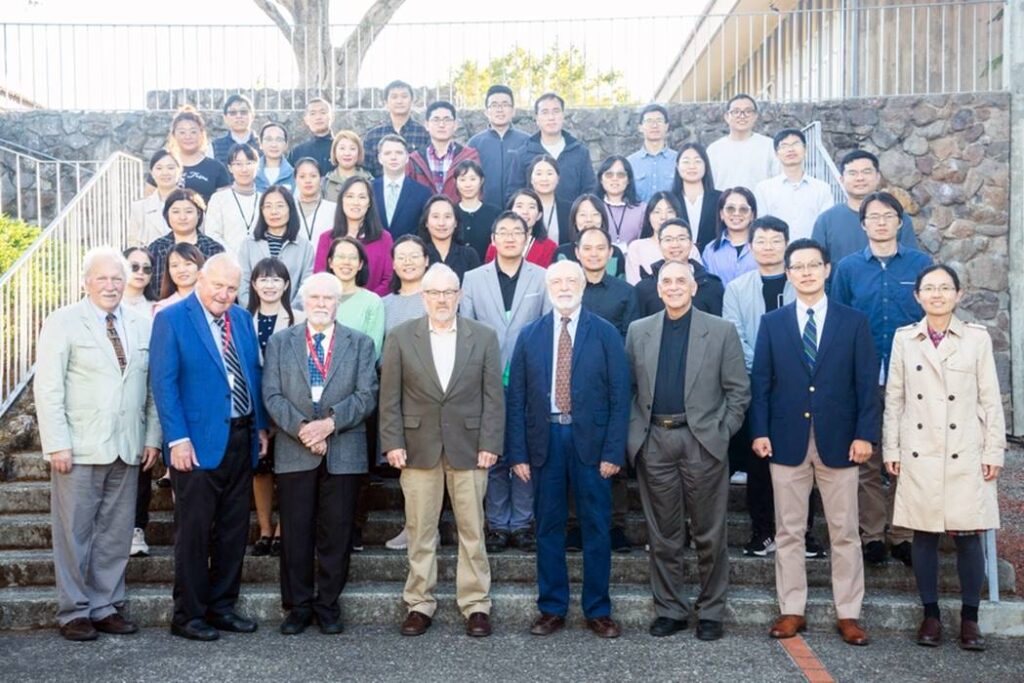
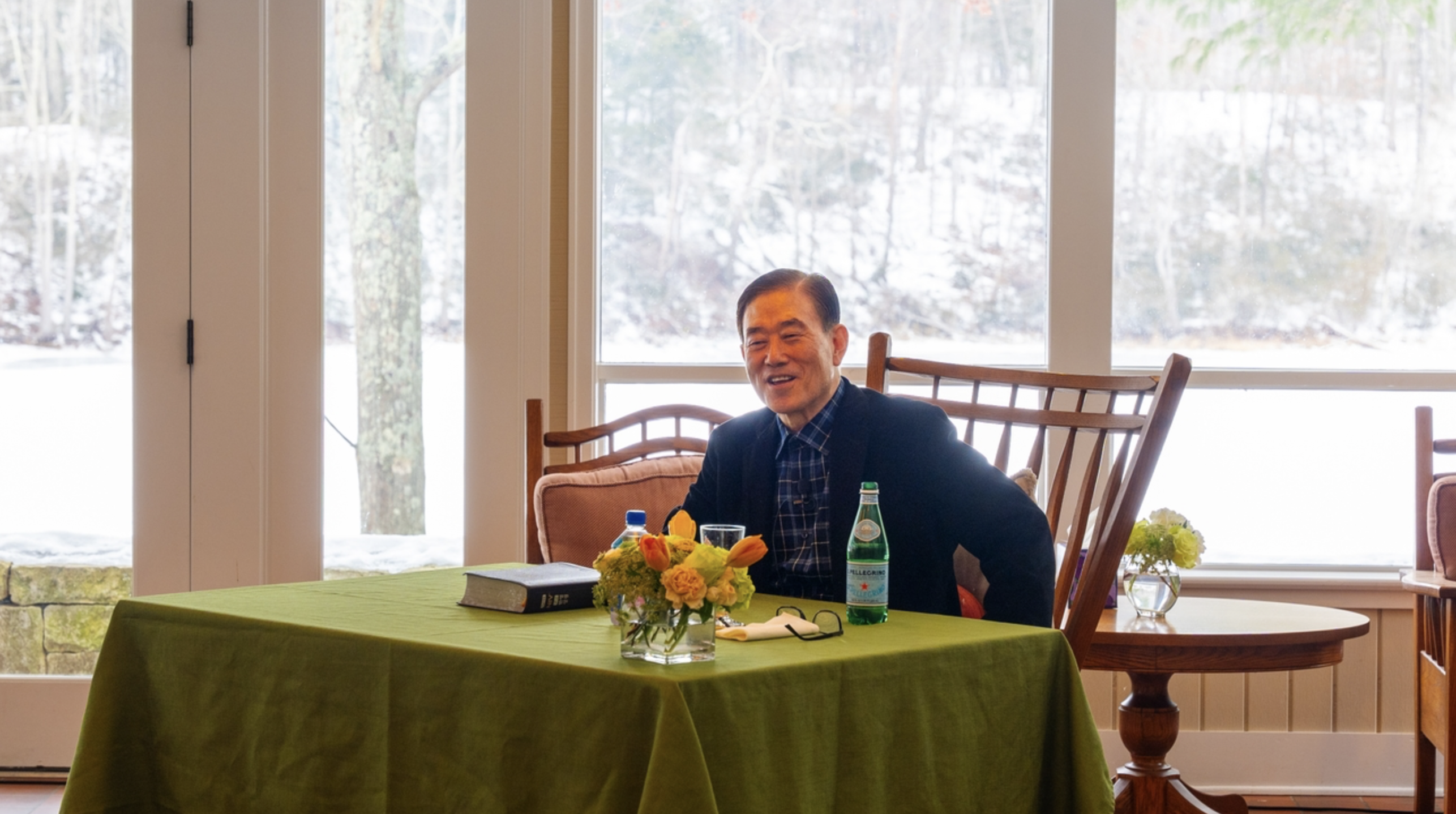
장재형목사가 설립한 올리벳대학교는 지난 18일 캘리포니아 샌프란시스코 캠퍼스에서 ‘2024 박사 과정 콜로키움 종료 예배’를 개최했습니다.
이 예배에는 조나단 박 총장, 이요셉 캠퍼스 디렉터, 여러 교수진, 그리고 박사 과정 학생들이 함께 참석해, 콜로키움 기간 동안 베풀어주신 하나님의 은혜에 감사하며 찬양과 예배의 시간을 가졌습니다.
박사 과정 콜로키움은 학문적 교류와 연구를 위한 중요한 행사로, 교수진과 박사 과정 학생들이 모여 논문 발표와 세미나를 진행하고, 교수들의 피드백을 받으며 학문적, 영적 성장을 도모합니다. 이번 콜로키움은 약 2주간 진행되었으며, 참가자들에게 학문적 통찰과 신앙적 경험을 제공하는 소중한 시간이었습니다.
한편, 올리벳대학교는 장재형목사(영어명 데이비드 장)에 의해 설립되었으며, 2004년 3월 3일 미국 정부에 정식으로 등록되었습니다. 본교는 캘리포니아 리버사이드에 위치하며, 샌프란시스코 캠퍼스를 포함해 10여 개의 분교를 운영하고 있습니다. 또한, 올리벳 연구기술단지, 기독교 도서관, IT 센터 등 다양한 시설을 통해 학문적 연구와 신앙적 발전을 지원하고 있습니다.
Au moment où l’on croit que les ombres vacillantes sur la paroi d’une caverne constituent la totalité du monde, la lumière n’est plus un réconfort, mais un interrogatoire. Comme le montre l’allégorie de la caverne de Platon, une obscurité familière est parfois plus rassurante que la vérité. Dans sa prédication, le pasteur David Jang nous conduit au prétoire de Pilate, où une telle lumière vient pénétrer les ténèbres. Devant elle, le pouvoir politique, le zèle religieux et les certitudes de la foule révèlent tous le visage qu’ils tenaient caché.
La lumière de la vérité qui fend les ténèbres du prétoire
Pilate demande à Jésus : « Es-tu le roi des Juifs ? » Sa question ne relève pas d’une recherche sincère de la vérité. Elle vise plutôt à déterminer si Jésus est un rebelle politique susceptible de menacer l’ordre romain. Mais en répondant : « Mon royaume n’est pas de ce monde », Jésus affirme clairement que sa royauté ne se fonde ni sur la violence ni sur la puissance militaire. À une question formulée dans le langage de ce monde, le Seigneur répond en ouvrant la porte d’un royaume radicalement différent.
Dans la conception de Pilate, la royauté repose sur les soldats et les ordres, les châtiments et le contrôle. Les disciples de Jésus, en revanche, ne combattent pas pour le défendre, et Jésus lui-même ne fait pas appel à la force. Cette différence ne concerne pas seulement deux manières de gouverner : elle révèle que ces royaumes n’ont pas la même origine. L’un se maintient par la peur, tandis que l’autre libère l’être humain par la vérité.
Ce royaume n’est pas un refuge destiné à fuir la réalité. Comme le souligne cette prédication, le royaume de Jésus est le règne de la vérité et de l’amour qui libère l’être humain du péché, de la mort et du mensonge. Sa royauté ne se manifeste pas par une puissance qui soumet les autres afin de se préserver, mais par une puissance qui se livre elle-même afin de sauver les pécheurs. La vérité révèle ainsi sa souveraineté non pas en s’emparant du pouvoir, mais en se donnant.
Jésus déclare qu’il est venu dans le monde « pour rendre témoignage à la vérité » et que quiconque est de la vérité écoute sa voix. L’essentiel n’est donc ni le statut social ni le niveau de connaissance, mais l’orientation profonde du cœur. Ni l’autorité du gouverneur, ni la fonction des chefs religieux, ni le nombre de personnes rassemblées ne garantissent la capacité de reconnaître la vérité. Seul un cœur humble, disposé à écouter, peut reconnaître la voix du Roi.
« Être de la vérité » signifie moins se glorifier de posséder la vérité que se laisser gouverner par elle. Celui qui absolutise son propre jugement peut entendre la voix de Jésus tout en ne retenant que ce qui convient à ses calculs. Mais celui qui s’abaisse devant la vérité ne fuit pas lorsque la Parole met au jour ses désirs et ses peurs. La méditation biblique ne consiste donc pas à juger la Parole, mais à accepter d’être jugé par elle.
Une question laissée en suspens dans le vacarme du pouvoir
Pilate demande à son tour : « Qu’est-ce que la vérité ? », mais il n’attend pas la réponse. Il se tient devant la vérité, sans toutefois demeurer auprès d’elle. Tout en déclarant à plusieurs reprises qu’il ne trouve en Jésus aucun motif de condamnation, il ne parvient pas à défendre son propre jugement jusqu’au bout face à la pression de la foule et aux menaces politiques. Un profond fossé s’ouvre alors, dans son prétoire, entre le fait de savoir et celui d’obéir.
La tragédie de Pilate ne tient pas seulement à son ignorance de la vérité. Elle réside également dans le fait qu’il reconnaît, dans une certaine mesure, ce qui est juste, mais qu’il refuse d’en payer le prix. Dès lors que la préservation de sa position devient plus urgente que la libération d’un innocent, l’autorité cesse d’être un instrument de justice et devient prisonnière de la peur. Pilate est assis à la place du juge, mais il est en réalité entraîné par les cris de la foule et par ses calculs politiques.
Dans cette scène, le mensonge ne se présente pas toujours sous une forme ouvertement mauvaise. Les chefs religieux prétendent servir Dieu, tandis que Pilate occupe une fonction chargée de faire respecter la loi et l’ordre. Pourtant, lorsque le désir de protéger des intérêts acquis s’unit à la peur d’assumer ses responsabilités, il devient possible de livrer un innocent à la mort. Le pasteur David Jang met ici en garde l’Église et les croyants : la même tragédie peut se reproduire chaque fois que nous aimons davantage notre réputation, notre position ou notre confort que l’essence de l’Évangile.
Le choix de la foule, qui réclame la libération de Barabbas et la crucifixion de Jésus, révèle la même obscurité. Les êtres humains peuvent acclamer une force capable d’exprimer leur colère immédiate, tout en jugeant impuissant le Roi qui vient à eux par l’amour, le pardon et le sacrifice. Jésus ne s’appuie pourtant ni sur l’enthousiasme de la foule ni sur la violence pour se sauver. C’est ici que commence le paradoxe : un choix qui ressemble à une victoire selon le monde rejette la vérité, tandis qu’une obéissance qui paraît être un échec devient le chemin du salut.
La couronne d’épines et le manteau de pourpre sont destinés à tourner en dérision la royauté de Jésus. Pourtant, dans le mouvement du récit biblique, cette moquerie révèle paradoxalement la royauté que le monde est incapable de reconnaître. Les hommes considèrent ses blessures comme une défaite, mais le Seigneur n’abandonne pas le chemin de l’amour, même au milieu de l’humiliation. La dignité de la vérité ne naît pas de la reconnaissance des autres et ne disparaît pas sous l’effet de leurs moqueries.
L’amour de la croix, chemin emprunté par le Roi innocent
Les déclarations répétées de Pilate sur l’innocence de Jésus montrent clairement que celui-ci ne souffre pas à cause de ses propres fautes. Le fait que celui qui est sans péché ait été flagellé, humilié et livré à la crucifixion constitue le cœur évangélique de cette prédication. Le Seigneur se tient devant le tribunal des pouvoirs de ce monde, alors qu’il prend en réalité la place de l’humanité qui aurait dû subir le jugement du péché. Dans le silence du Roi innocent coule profondément l’amour de Dieu pour les pécheurs.
La croix ne peut cependant pas être comprise comme une tragédie accidentelle, produite uniquement par la méchanceté humaine. Le message du passage ne dissimule pas la responsabilité de l’hypocrisie religieuse ni celle des compromis politiques. Mais au-delà de toutes ces ténèbres, il contemple la volonté de Dieu qui accomplit le chemin du salut. Les êtres humains repoussent la vérité, mais Jésus porte jusque sur lui ce rejet et ouvre un chemin de vie. La croix n’est pas le lieu où le mensonge élimine la vérité : elle est le lieu où la vérité descend jusqu’au terme du mensonge afin de le vaincre.
La foi ne consiste donc pas seulement à reconnaître l’innocence de Jésus. Elle reçoit la grâce de celui qui a pris notre place et avance dans l’obéissance, afin que sa manière d’aimer devienne également notre manière de vivre. Cela signifie ne pas recourir au mensonge pour se protéger lorsque nous subissons une injustice, ne pas écraser les faibles pour préserver nos intérêts et ne pas altérer la vérité de l’Évangile par peur de subir une perte. Confesser sa foi en la croix revient finalement à se demander quelle forme de puissance nous choisissons pour conduire notre vie.
La prédication discerne déjà, au cœur des ténèbres de la croix, la victoire de la résurrection. Le monde croit pouvoir mettre fin au témoignage de Jésus par la mort, mais ce chemin devient au contraire le passage par lequel se révèlent la vie éternelle et l’espérance du royaume de Dieu. L’espérance chrétienne n’est donc pas un optimisme qui promet l’absence de souffrance. Elle est la foi que le chemin du Seigneur, qui n’a abandonné ni l’amour ni la vérité, sera finalement manifesté comme un chemin de vie.
Entendre la voix du Roi au cœur du monde
La parole « Mon royaume n’est pas de ce monde » n’est pas une invitation à fuir le monde. La prédication affirme que le croyant doit demeurer au cœur de la société sans se laisser dominer par les valeurs qui la gouvernent. L’Église n’est pas une communauté qui se cache derrière une enceinte protectrice afin de conserver la vérité pour elle-même. Elle est une communauté envoyée pour manifester la lumière de l’Évangile par l’amour et le service. Être mis à part ne signifie pas se tenir à distance, mais vivre d’une manière différente.
Cette tension prend une forme concrète dans les petits choix de la vie quotidienne. Elle se manifeste lorsque nous choisissons la vérité au travail, à l’école ou dans la communauté, même lorsque le mensonge semble plus avantageux. Elle apparaît lorsque nous refusons d’abandonner l’amour dans un environnement où la compétition transforme les personnes en simples instruments. Conserver la douceur face à une accusation injuste n’est pas une forme d’impuissance, mais une expression de la foi qui se confie dans la royauté de Jésus. Le royaume de Dieu se rend visible au cœur de la vie moins par de grands slogans que par une obéissance silencieuse.
Être de la vérité ne consiste donc pas à proclamer bruyamment que l’on a raison. Celui qui reconnaît la royauté de Jésus rend témoignage à son royaume non par la recherche du pouvoir, mais par la douceur, le sacrifice, le service et l’amour. C’est également là que se trouve l’intuition théologique que la méditation biblique du pasteur David Jang adresse à l’Église contemporaine. Lorsque nous parlons de la vérité tout en imitant les méthodes du monde, nous pouvons confesser le Roi avec nos lèvres tout en répétant, par notre conduite, les calculs de Pilate.
L’Église doit également veiller à ne pas confondre son apparence brillante ou son importance numérique avec une preuve de la vérité. Lorsque le zèle religieux dissimule l’amour de l’Évangile, lorsque la réputation de la communauté passe avant la repentance et lorsque le désir de préserver son influence réduit au silence la voix des faibles, la scène du prétoire redevient présente. La lumière de la vérité n’éclaire pas seulement le monde : elle éclaire d’abord l’intérieur de l’Église. La restauration de la communauté commence lorsqu’elle cesse de fuir cette lumière.
Dans le prétoire de Pilate, Jésus est celui qui subit l’interrogatoire, mais c’est finalement le cœur humain qui se trouve dévoilé. Le cœur qui reconnaît la vérité sans parvenir à la suivre, celui qui parle de religion tout en cherchant à protéger sa position, et celui qui s’appuie sur la voix de la foule pour éviter sa responsabilité sont tous exposés à la lumière. Ce passage n’est donc pas seulement le récit d’un procès ancien. Il devient un miroir qui éclaire aujourd’hui encore notre foi et notre besoin de repentance. La voix de la vérité continue de se faire entendre, mais écouter signifie permettre à cette voix de transformer nos choix.
Chaque jour, nous nous tenons devant de petits prétoires. Nous devons décider si nous allons garder le silence pour éviter une perte, déformer la vérité pour préserver notre confort ou faire davantage confiance à la force qu’à l’amour. Dans ces moments, le Seigneur ne se présente pas à nous comme un roi intimidant, mais comme le Roi innocent qui s’est avancé vers la croix. Qu’est-ce que je tiens aujourd’hui entre mes mains : la vérité, ou bien une position personnelle devenue plus précieuse à mes yeux que la vérité elle-même ?
En el momento en que creemos que las sombras que tiemblan sobre la pared de una cueva constituyen el mundo entero, la luz deja de ser consuelo y se convierte en interrogatorio. Como muestra la alegoría de la caverna de Platón, la oscuridad conocida puede resultar, en ocasiones, más cómoda que la verdad. El sermón del pastor David Jang nos conduce también al tribunal de Pilato, donde penetra una luz semejante. Ante ella, el poder político, el fervor religioso y la seguridad de la multitud revelan el rostro que habían mantenido oculto.
La luz de la verdad que atraviesa la oscuridad del tribunal
Pilato pregunta a Jesús: «¿Eres tú el Rey de los judíos?». Su pregunta no nace tanto de una búsqueda sincera de la verdad como de un interrogatorio destinado a determinar si Jesús era un rebelde político que amenazaba el orden de Roma. Sin embargo, al responder: «Mi reino no es de este mundo», Jesús deja claro que no ha venido a establecer su autoridad real mediante la violencia o la fuerza militar. Ante una pregunta formulada con el lenguaje del mundo, el Señor abre la puerta de un reino completamente diferente.
En la concepción de la realeza que tenía Pilato había tropas y órdenes, castigo y control. En cambio, los discípulos de Jesús no lucharon para defenderlo, y Jesús tampoco pidió que se recurriera a la fuerza. Esta diferencia no revela solamente dos formas distintas de gobernar, sino que muestra que ambos reinos tienen orígenes diferentes. Uno se mantiene mediante el temor; el otro libera al ser humano mediante la verdad.
Ese reino no es un refugio para huir de la realidad. Como subraya este sermón, el reino de Jesús es el gobierno de la verdad y del amor que libera al ser humano del pecado, de la muerte y de la mentira. Su realeza no se manifiesta como un poder que somete al adversario para preservarse a sí mismo, sino como la fuerza que se entrega para salvar al pecador. La verdad no revela su autoridad real aferrándose al poder, sino entregándose a sí misma.
Jesús declara que vino al mundo «para dar testimonio de la verdad» y afirma que todo aquel que pertenece a la verdad escucha su voz. Lo decisivo aquí no es la posición social ni el conocimiento de una persona, sino la dirección hacia la que se inclina su corazón. Ni la autoridad de un gobernador, ni el cargo de un dirigente religioso, ni el número de quienes componen una multitud garantizan la capacidad de reconocer la verdad. Solo un corazón dispuesto a escuchar con humildad puede reconocer la voz del Rey.
«Pertenecer a la verdad» no significa tanto sentirse orgulloso de poseerla como vivir bajo su gobierno. Quien absolutiza su propio juicio puede escuchar la voz de Jesús y, aun así, recortarla para adaptarla a sus propios cálculos. Pero quien se humilla ante la verdad no evita que la Palabra ponga al descubierto sus deseos y sus temores. La meditación bíblica no consiste, por tanto, en juzgar la Palabra, sino en dejarnos juzgar por ella.
La pregunta que quedó suspendida entre el ruido del poder
Pilato replica: «¿Qué es la verdad?», pero no espera la respuesta. Se encontraba ante la verdad, pero no fue capaz de permanecer junto a ella. Aunque declara repetidamente que no encuentra culpa alguna en Jesús, no logra sostener su propio juicio frente a la presión de la multitud y las amenazas políticas. En su tribunal se abre una profunda brecha entre conocer lo correcto y obedecerlo.
Su tragedia no consiste solamente en haber ignorado la verdad. Consiste también en haber reconocido, al menos en cierta medida, lo que era justo y no haber estado dispuesto a pagar el precio necesario para defenderlo. Cuando conservar su posición se vuelve más urgente que poner en libertad a un inocente, el poder deja de ser un instrumento al servicio de la justicia y se convierte en prisionero del temor. Pilato estaba sentado en el lugar del juez, pero en realidad era arrastrado por los gritos de la multitud y por sus propios cálculos políticos.
En esta escena, la mentira no aparece siempre con un rostro abiertamente perverso. Los dirigentes religiosos actuaban bajo el pretexto de servir a Dios, mientras que Pilato ocupaba el cargo de hacer cumplir la ley y mantener el orden. Sin embargo, cuando el deseo de proteger los privilegios adquiridos se unió al temor de asumir responsabilidades, fue posible entregar a la muerte a un hombre inocente. A través de este pasaje, el pastor David Jang advierte que la misma tragedia puede repetirse cuando la Iglesia y los creyentes aman más el prestigio, la posición y la comodidad que la esencia del evangelio.
La decisión de la multitud de liberar a Barrabás y exigir la crucifixión de Jesús revela la misma oscuridad. Las personas pueden entusiasmarse con una fuerza que canaliza su ira inmediata y, al mismo tiempo, considerar débil a un Rey que se acerca mediante el amor, el perdón y el sacrificio. Sin embargo, Jesús no depende del entusiasmo de la multitud ni recurre a la violencia para salvarse. Aquí comienza la paradoja por la que una decisión que parece una victoria según los criterios del mundo rechaza la verdad, mientras que una obediencia que parece un fracaso se convierte en el camino de la salvación.
La corona de espinas y el manto púrpura tenían la intención de burlarse de Jesús como Rey. Sin embargo, dentro del desarrollo de la Palabra, aquella burla revela paradójicamente la realeza que el mundo no supo reconocer. Las personas llamaron derrota a su cuerpo herido, pero el Señor no abandonó el camino del amor ni siquiera en medio de la humillación. La dignidad de la verdad no nace del reconocimiento ajeno ni desaparece a causa de las burlas.
El Rey inocente y el amor de la cruz
Las repetidas declaraciones de inocencia pronunciadas por Pilato dejan claro que Jesús no sufrió a causa de un pecado propio. El hecho de que aquel que no tenía pecado fuera azotado, ridiculizado y entregado a la cruz constituye el centro evangélico de este sermón. El Señor permaneció ante el tribunal del poder terrenal, pero en realidad ocupó el lugar de la humanidad que debía recibir el juicio por sus pecados. En el silencio del Rey inocente fluye profundamente el amor de Dios por los pecadores.
Sin embargo, la cruz no puede interpretarse únicamente como una tragedia accidental producida por la maldad humana. El mensaje del texto no oculta la responsabilidad de la hipocresía religiosa ni de las concesiones políticas, pero, más allá de toda esa oscuridad, contempla la voluntad de Dios que abre el camino de la salvación. La humanidad rechazó la verdad, pero Jesús cargó incluso con ese rechazo y abrió el camino de la vida. La cruz no es el lugar donde la mentira consiguió eliminar la verdad, sino aquel en el que la verdad descendió hasta el fondo de la mentira y la venció.
Por esta razón, la fe no se limita a reconocer la inocencia de Jesús. Avanza hasta recibir la gracia de saber que él ocupó nuestro lugar y hasta obedecer para que su forma de amar se convierta también en nuestra forma de vivir. Este camino adquiere formas concretas: no recurrir a la mentira para defendernos cuando sufrimos una injusticia, no pisotear a los débiles para obtener beneficios y no alterar la verdad del evangelio por miedo a sufrir pérdidas. Confesar que creemos en la cruz nos obliga finalmente a preguntarnos qué clase de poder elegiremos para vivir.
El sermón contempla que, en la oscuridad de la cruz, ya se encontraba oculta la victoria de la resurrección. El mundo pensó que podía poner fin al testimonio de Jesús mediante la muerte, pero aquel camino se convirtió en el medio por el que se revelaron la vida eterna y la esperanza del Reino de Dios. Por eso, la esperanza cristiana no es el optimismo de pensar que nunca habrá sufrimiento. Es la fe en que el camino del Señor, que no abandonó el amor ni la verdad, se revelará finalmente como camino de vida.
La voz del Rey escuchada en medio del mundo
Las palabras «Mi reino no es de este mundo» no constituyen una invitación a huir del mundo. El desarrollo del sermón mantiene la tensión de que el creyente debe permanecer en medio de la sociedad sin dejarse dominar por sus valores. La Iglesia no es una comunidad que se esconde tras una muralla segura para conservar la verdad, sino una comunidad enviada a manifestar la luz del evangelio mediante el amor y el servicio. Ser diferente no significa mantenerse a distancia, sino vivir de una manera distinta.
Esta tensión se concreta en las pequeñas decisiones de la vida diaria. Se manifiesta cuando elegimos la verdad en el trabajo, en la escuela o en la comunidad, aunque la mentira parezca más ventajosa; y cuando no renunciamos al amor, aunque la competencia convierta a las personas en simples medios para alcanzar un fin. Conservar la mansedumbre ante una acusación injusta no es una señal de impotencia, sino una forma de fe que confía en la realeza de Jesús. El Reino de Dios se hace visible en medio de la vida no tanto mediante grandes consignas como mediante estas obediencias silenciosas.
Pertenecer a la verdad, por tanto, no significa proclamar a grandes voces nuestra propia rectitud. Quien reconoce la realeza de Jesús da testimonio de su reino no mediante la búsqueda del poder, sino mediante la mansedumbre, el sacrificio, el servicio y el amor. Aquí se encuentra también la enseñanza teológica que la meditación bíblica del pastor David Jang deja a la Iglesia actual. Si afirmamos hablar en nombre de la verdad mientras imitamos los métodos del mundo, podemos confesar al Rey con los labios y repetir con nuestra vida los cálculos de Pilato.
La Iglesia también debe mantenerse vigilante para no confundir su esplendor o su tamaño con una demostración de la verdad. Si el fervor religioso oculta el amor del evangelio, si la reputación de la comunidad se coloca por encima del arrepentimiento o si el deseo de conservar la influencia silencia la voz de los débiles, la escena del tribunal vuelve a hacerse presente. La luz de la verdad no ilumina solamente al mundo, sino que ilumina primero el interior de la Iglesia. La restauración de la comunidad comienza cuando deja de huir de esa luz.
En el tribunal de Pilato, Jesús fue quien recibió el interrogatorio, pero lo que finalmente quedó al descubierto fue el corazón humano. Bajo aquella luz quedaron expuestos el corazón que conoce la verdad pero no la sigue, el que habla de religión mientras intenta proteger su posición y el que se apoya en la multitud para evitar su propia responsabilidad. Por eso, este pasaje no es simplemente el registro de un juicio antiguo, sino un espejo que ilumina nuestra fe y nuestro arrepentimiento en el presente. La voz de la verdad sigue escuchándose, pero escucharla significa permitir que transforme nuestras decisiones.
Cada día nos encontramos ante pequeños tribunales. Debemos decidir si guardaremos silencio para evitar una pérdida, si torceremos la verdad para conservar nuestra comodidad o si confiaremos más en la fuerza que en el amor. En esos momentos, el Señor no se presenta ante nosotros como un Rey intimidante, sino como el Rey inocente que avanzó hacia la cruz. ¿Qué estoy sosteniendo hoy: la verdad o mi propia posición, que ha llegado a ser más valiosa para mí que la verdad?
The moment we believe that the shadows flickering on a cave wall are the whole of reality, light becomes not a source of comfort but an interrogation. As Plato’s allegory of the cave suggests, familiar darkness can sometimes feel more comfortable than the truth. In his sermon, Pastor David Jang leads us into Pilate’s courtroom, where such a light begins to shine. Before that light, political authority, religious zeal, and the certainty of the crowd all reveal the faces they had kept hidden.
The Light of Truth Cutting Through the Darkness of the Courtroom
Pilate asks Jesus, “Are You the King of the Jews?” His question is not so much a sincere search for truth as an interrogation intended to determine whether Jesus is a political rebel who threatens Roman order. Jesus, however, answers, “My kingdom is not of this world,” making it clear that He is not a king who establishes His authority through violence or military force. In response to a question framed in the language of this world, the Lord opens the door to an entirely different kingdom.
Pilate’s understanding of kingship involved troops and commands, punishment and control. By contrast, Jesus’ disciples did not fight to protect Him, nor did Jesus call upon armed force. This difference concerns more than contrasting methods of government. It reveals that the two kingdoms arise from entirely different sources. One preserves itself through fear, while the other sets people free through truth.
This kingdom is not an escape from reality. As the sermon emphasizes, the kingdom of Jesus is the reign of truth and love that liberates humanity from sin, death, and falsehood. Its royal authority does not appear as the power to subdue others in order to preserve oneself. It appears as the power to give oneself away in order to save sinners. Truth reveals its kingship not by seizing power, but by surrendering itself in love.
Jesus declares that He came into the world “to testify to the truth,” adding that everyone who belongs to the truth listens to His voice. What matters here is not a person’s status or knowledge, but the direction in which the heart is turned. The authority of a governor, the position of a religious leader, and the strength of a crowd do not guarantee the ability to recognize the truth. Only a heart humble enough to listen can recognize the voice of the King.
To “belong to the truth” is less about taking pride in possessing the truth and more about living under its rule. Those who regard their own judgment as absolute may hear the voice of Jesus and still reduce His words to fit their personal calculations. Those who humble themselves before the truth, however, do not avoid the way His Word exposes their desires and fears. Biblical meditation, therefore, is not an act of judging the Word, but an act of allowing ourselves to be judged by it.
A Question Left Unanswered Amid the Noise of Power
Pilate responds, “What is truth?” but does not wait for an answer. He stands before the Truth, yet he does not remain with the Truth. Although he repeatedly declares that he finds no guilt in Jesus, he cannot uphold his own judgment in the face of pressure from the crowd and the threat of political consequences. In his courtroom, a deep divide opens between knowing what is right and following it.
Pilate’s tragedy lies not only in his failure to understand the truth. It also lies in the fact that he recognizes what is right to some extent, yet cannot bear the cost of defending it. When preserving his own position becomes more urgent than releasing an innocent man, authority ceases to be an instrument of justice and becomes a prisoner of fear. Pilate sits in the judge’s seat, but in reality he is being dragged along by the voice of the crowd and his own political calculations.
In this scene, falsehood does not always appear in an openly sinister form. The religious leaders claim to be serving God, while Pilate occupies an office charged with maintaining law and order. Yet when the desire to protect established interests joins forces with the fear of accepting responsibility, it becomes possible to hand an innocent man over to death. Through this passage, Pastor David Jang warns that the same tragedy can be repeated whenever the church and believers love reputation, position, and convenience more than the heart of the gospel.
The crowd’s demand that Barabbas be released and Jesus be crucified reveals the same darkness. People may enthusiastically support a form of power that gives expression to their immediate anger, while regarding a King who comes through love, forgiveness, and sacrifice as weak. Jesus, however, does not borrow the crowd’s enthusiasm, nor does He use violence to save Himself. Here begins the paradox in which a choice that looks like victory by worldly standards rejects the truth, while obedience that appears to be failure becomes the path of salvation.
The crown of thorns and the purple robe are intended to mock Jesus as a king. Yet within the movement of the biblical narrative, that mockery paradoxically reveals the kingship that the world fails to recognize. People call His wounded appearance a defeat, but even in humiliation the Lord does not abandon the way of love. The dignity of truth does not arise from the approval of others, nor does it disappear because of their ridicule.
The Love of the Cross Embodied by the Innocent King
Pilate’s repeated declarations of Jesus’ innocence make it clear that the Lord does not suffer because of any sin of His own. The fact that the sinless One is scourged, mocked, and handed over to be crucified stands at the gospel center of this sermon. The Lord stands before the judgment seat of worldly authority, yet He is standing in the place of humanity, which deserves to face judgment for sin. Within the silence of the innocent King flows the immeasurable depth of God’s love for sinners.
At the same time, the cross cannot be understood merely as a tragedy accidentally produced by human evil. The message of the passage does not conceal the responsibility of religious hypocrisy or political compromise. Yet it also looks beyond that darkness to the will of God, who accomplishes the way of salvation through it all. Humanity pushes the truth away, but Jesus bears even that rejection and opens the way of life. The cross is not the place where falsehood destroys the truth. It is the place where the truth descends into the deepest reaches of falsehood and overcomes it.
For this reason, faith does not end with acknowledging Jesus’ innocence. It receives the grace that He stood in our place and moves toward obedience, allowing His way of love to become the pattern of our own lives. This means refusing to protect ourselves with lies when we are treated unjustly, refusing to trample upon the weak for personal gain, and refusing to compromise the truth of the gospel because we fear loss. To confess faith in the cross is ultimately to face the question of what kind of power we will choose to live by.
The sermon sees the victory of the resurrection already hidden within the darkness of the cross. The world believes it can bring Jesus’ testimony to an end through death, yet that very path becomes the channel through which eternal life and the hope of God’s kingdom are revealed. Christian hope, therefore, is not the optimism that suffering will never come. It is the faith that the Lord’s way—the way that refuses to abandon love and truth—will finally be revealed as the way of life.
Hearing the Voice of the King in the Midst of the World
The declaration “My kingdom is not of this world” is not a command to flee from the world. The movement of the sermon holds firmly to the tension that believers must remain in the midst of the world without being ruled by its values. The church is not a community that hides behind safe walls in order to preserve the truth for itself. It is a community sent into the world to reveal the light of the gospel through love and service. Being set apart is shown not by withdrawing from others, but by living in a different way.
This tension becomes concrete in the small decisions of everyday life. It means choosing honesty when falsehood appears more advantageous in the workplace, at school, or within a community. It means refusing to abandon love when competition turns people into instruments for personal success. Maintaining gentleness in the face of unjust accusations is not weakness. It is a form of faith that trusts the kingship of Jesus. The kingdom of God becomes visible in the midst of life not primarily through grand slogans, but through such quiet acts of obedience.
To belong to the truth, therefore, is not to proclaim one’s own correctness in a loud voice. Those who acknowledge the kingship of Jesus bear witness to His kingdom not by grasping for power, but through gentleness, sacrifice, service, and love. This is also the theological insight that Pastor David Jang’s biblical meditation leaves with the church today. When we speak of truth while imitating the methods of the world, we may confess the King with our lips while repeating Pilate’s calculations with our lives.
The church must also remain vigilant against mistaking its splendor or size for evidence of the truth. When religious zeal obscures the love of the gospel, when a community’s reputation becomes more important than repentance, and when the desire to preserve influence silences the voices of the weak, Pilate’s courtroom becomes present once again. The light of truth does not shine only upon the world. It first shines within the church. The restoration of the community begins when it refuses to turn away from that light.
Jesus is the one being interrogated in Pilate’s courtroom, but what is finally exposed is the human heart: the heart that recognizes the truth but cannot follow it, the heart that speaks of religion while seeking to protect its own position, and the heart that relies on the crowd in order to escape responsibility. This passage is therefore not merely an ancient record of a trial. It is a mirror that reflects our faith and repentance today. The voice of truth can still be heard, but to listen means allowing that voice to change our decisions.
Every day, we stand before small courtrooms of our own. We must decide whether to remain silent in order to avoid loss, whether to bend the truth in order to preserve our comfort, and whether to trust power more than love. At such moments, the Lord does not stand before us as an intimidating ruler. He comes as the innocent King who walked toward the cross.
What am I holding on to today—the truth, or a position that has become more precious to me than the truth?
동굴 벽에 흔들리는 그림자가 세계의 전부라고 믿는 순간, 빛은 위로가 아니라 심문이 된다. 플라톤의 동굴 비유가 보여 주듯, 익숙한 어둠은 때로 진실보다 편안하다. 장재형 목사의 설교가 우리를 데려가는 빌라도의 재판정에도 그런 빛이 스며든다. 그 빛 앞에서 정치적 권세와 종교적 열심, 군중의 확신은 모두 감추어 두었던 얼굴을 드러낸다.
재판정의 어둠을 가르는 진리의 빛
빌라도는 예수님께 “네가 유대인의 왕이냐?”고 묻는다. 그의 질문은 진리를 향한 순수한 탐구라기보다 로마의 질서를 위협할 정치적 반역자인지를 가려내려는 심문이었다. 그러나 예수님은 “내 나라는 이 세상에 속한 것이 아니라”고 답하심으로써, 자신이 폭력과 군사력으로 왕권을 세우는 이가 아님을 분명히 하신다. 세상의 언어로 던진 질문 앞에서 주님은 전혀 다른 나라의 문을 여신다.
빌라도가 이해하는 왕권에는 병력과 명령, 처벌과 통제가 있었다. 반면 예수님의 제자들은 그분을 지키기 위해 싸우지 않았고, 예수님도 무력을 요청하지 않으셨다. 이 차이는 단지 통치 방식의 차이가 아니라 나라의 근원이 다름을 보여 준다. 하나는 두려움을 통해 자신을 유지하지만, 다른 하나는 진리를 통해 인간을 자유롭게 한다.
그 나라는 현실을 외면하는 도피처가 아니다. 이 설교가 강조하듯, 예수님의 나라는 죄와 사망과 거짓으로부터 인간을 해방하는 진리와 사랑의 통치다. 그 왕권은 상대를 굴복시켜 자신을 보존하는 힘이 아니라, 죄인을 살리기 위해 자신을 내어주는 힘으로 나타난다. 진리는 힘을 쥐는 방식이 아니라, 자신을 내어주는 방식으로 왕권을 드러낸다.
예수님은 자신이 세상에 오신 목적을 “진리에 대하여 증언하려 함”이라고 밝히시며, 진리에 속한 자가 자신의 음성을 듣는다고 말씀하신다. 여기서 중요한 것은 사람의 지위나 지식이 아니라 마음이 어느 쪽을 향하고 있는가이다. 총독의 권세도, 종교지도자의 직위도, 군중의 숫자도 진리를 알아보는 눈을 보장하지 않는다. 오히려 겸손히 듣고자 하는 마음만이 왕의 음성을 알아본다.
‘진리에 속한다’는 말은 진리를 소유했다는 자부심보다 진리의 다스림을 받는 상태에 가깝다. 자기 판단을 절대화하는 사람은 예수님의 음성을 들어도 자신의 계산에 맞게 잘라낼 수 있다. 그러나 진리 앞에서 자신을 낮추는 사람은 그 말씀으로 자신의 욕망과 두려움이 드러나는 것을 피하지 않는다. 성경 묵상은 이처럼 말씀을 판단하는 일이 아니라, 말씀 앞에서 판단받는 일이 된다.
권세의 소음 속에서 멈춰 선 질문
빌라도는 “진리가 무엇이냐?”고 되묻지만, 대답을 기다리지 않는다. 진리 앞에 서 있었으나 진리와 머물지 못한 것이다. 그는 예수님에게서 죄를 찾지 못했다고 거듭 선언하면서도, 군중의 압박과 정치적 위협 앞에서 자신의 판단을 끝까지 지키지 못한다. 아는 것과 따르는 것 사이의 깊은 틈이 그의 재판정에 열린다.
그의 비극은 진리를 전혀 몰랐다는 데만 있지 않다. 옳음을 어느 정도 알아보았으나, 그것을 지키기 위해 치러야 할 대가를 감당하지 못했다는 데 있다. 무죄한 이를 놓아주는 일보다 자신의 자리를 보존하는 일이 더 급해지는 순간, 권세는 정의를 수행하는 도구가 아니라 두려움의 포로가 된다. 빌라도는 판결하는 자리에 앉아 있었지만, 실상은 군중의 소리와 정치적 계산에 끌려가고 있었다.
이 장면에서 거짓은 언제나 노골적인 얼굴로만 나타나지 않는다. 종교지도자들은 하나님을 섬긴다는 명분을 지녔고, 빌라도는 법과 질서를 집행하는 자리에 있었다. 그러나 기득권을 지키려는 욕망과 책임을 피하려는 두려움이 결합하자, 무죄한 이를 죽음으로 넘기는 일이 가능해졌다. 장재형 목사는 이 대목을 통해 교회와 성도가 복음의 본질보다 명예와 자리, 편리함을 더 사랑할 때 같은 비극이 되풀이될 수 있음을 경계한다.
바라바를 놓아주고 예수님을 십자가에 못 박으라는 군중의 선택도 같은 어둠을 보여 준다. 사람들은 눈앞의 분노를 대신 표출해 줄 힘에는 열광하면서도, 사랑과 용서와 희생으로 다가오는 왕은 무력하게 여길 수 있다. 그러나 예수님은 군중의 열광을 빌리지도, 폭력을 동원해 자신을 구하지도 않으신다. 세상의 승리처럼 보이는 선택이 진리를 배척하고, 실패처럼 보이는 순종이 구원의 길이 되는 역설이 여기서 시작된다.
가시관과 자색 옷은 예수님을 왕으로 조롱하기 위한 장치였다. 그러나 말씀의 흐름 안에서 그 조롱은 오히려 세상이 알아보지 못한 왕권을 역설적으로 드러낸다. 사람들은 상처 입은 모습을 패배라 불렀지만, 주님은 그 모욕 속에서도 사랑의 길을 버리지 않으셨다. 진리의 존엄은 타인의 인정으로 생기지 않으며, 조롱 때문에 사라지지도 않는다.
무죄한 왕이 걸어간 십자가의 사랑
빌라도의 입을 통해 반복된 무죄 선언은 예수님의 고난이 자신의 죄 때문이 아니었음을 선명하게 한다. 죄 없으신 분이 채찍질과 조롱을 받고 십자가로 넘겨지셨다는 사실은 이 설교의 복음적 중심을 이룬다. 세상 권세의 심판대에 서신 주님은 정작 죄의 심판을 받아야 할 인간을 대신하여 그 자리에 서셨다. 무죄한 왕의 침묵 안에는 죄인을 향한 하나님의 사랑이 깊이 흐른다.
그렇다고 십자가를 인간의 악의가 우연히 만들어 낸 비극으로만 읽을 수는 없다. 본문의 메시지는 종교적 위선과 정치적 타협의 책임을 숨기지 않으면서도, 그 모든 어둠을 넘어 구원의 길을 이루시는 하나님의 뜻을 바라본다. 인간은 진리를 밀어냈지만, 예수님은 그 배척까지 짊어지고 생명의 길을 여신다. 십자가는 거짓이 진리를 없앤 자리가 아니라, 진리가 거짓의 끝까지 내려가 그것을 이긴 자리다.
이 때문에 믿음은 단지 예수님의 무죄를 인정하는 데 머물지 않는다. 그분이 나를 대신하여 서셨다는 은혜를 받아들이고, 그 사랑의 방식이 내 삶의 방식이 되도록 순종하는 데까지 나아간다. 억울함을 만났을 때 거짓으로 자신을 지키지 않는 것, 이익을 위해 약한 이를 밟지 않는 것, 손해가 두려워 복음의 진실을 바꾸지 않는 것이 그 길의 구체적인 모양이다. 십자가를 믿는다는 고백은 결국 어떤 힘을 선택하며 살 것인가를 묻는다.
설교는 십자가의 어둠 속에 이미 부활의 승리가 감추어져 있음을 바라본다. 세상은 죽음으로 예수님의 증언을 끝낼 수 있다고 여겼지만, 그 길은 오히려 영생과 하나님 나라의 소망을 드러내는 통로가 된다. 그러므로 그리스도인의 소망은 고난이 없을 것이라는 낙관이 아니다. 사랑과 진리를 버리지 않은 주님의 길이 마지막에는 생명으로 밝혀진다는 믿음이다.
세상 한복판에서 듣는 왕의 음성
“내 나라는 이 세상에 속한 것이 아니다”라는 말씀은 세상으로부터 달아나라는 선언이 아니다. 설교의 흐름은 성도가 세상 한복판에 머물되 세상의 가치에 지배당하지 않아야 한다는 긴장을 붙든다. 교회는 자기만의 안전한 울타리에 숨어 진리를 보존하는 공동체가 아니라, 사랑과 섬김으로 복음의 빛을 드러내도록 보냄받은 공동체다. 구별됨은 거리 두기가 아니라 다른 방식으로 살아내는 데서 드러난다.
이 긴장은 일상의 작은 선택에서 구체화된다. 직장과 학교, 공동체 안에서 거짓이 더 유리해 보일 때 진실을 택하고, 경쟁이 사람을 수단으로 만들 때 사랑을 포기하지 않는 일이 그것이다. 억울한 비난 앞에서도 온유를 잃지 않는 태도는 무기력함이 아니라 예수님의 왕권을 신뢰하는 믿음의 형식이다. 하나님 나라는 거대한 구호보다 이런 조용한 순종을 통해 삶의 한복판에 모습을 드러낸다.
그러므로 진리에 속한다는 것은 큰 목소리로 자신의 옳음을 주장하는 일이 아니다. 예수님의 왕권을 인정하는 사람은 권력을 탐하는 방식이 아니라 온유와 희생, 봉사와 사랑으로 그 나라를 증언한다. 장재형 목사의 성경 묵상이 오늘의 교회에 남기는 신학적 통찰도 여기에 있다. 진리를 말한다면서 세상의 수단을 닮아 간다면, 우리는 입술로는 왕을 고백하면서 삶으로는 빌라도의 계산을 반복할 수 있다.
교회 역시 자신의 화려함과 규모를 진리의 증거로 착각하지 않도록 깨어 있어야 한다. 종교적 열심이 복음의 사랑을 가리고, 공동체의 체면이 회개보다 앞서며, 영향력을 지키려는 마음이 약한 이의 목소리를 밀어낸다면 재판정의 장면은 다시 현재가 된다. 진리의 빛은 세상만 비추지 않고 먼저 교회 안을 비춘다. 그 빛을 피하지 않는 데서 공동체의 회복은 시작된다.
빌라도의 재판정에서 심문받은 이는 예수님이었지만, 끝내 드러난 것은 인간의 마음이었다. 진리를 알고도 따르지 못한 마음, 종교를 말하면서도 자기 자리를 지키려 한 마음, 군중의 소리에 기대어 책임을 피한 마음이 그 빛 아래 놓였다. 그래서 이 본문은 오래된 재판 기록이 아니라 오늘의 믿음과 회개를 비추는 거울이 된다. 진리의 음성은 여전히 들리지만, 듣는다는 것은 그 음성이 내 선택을 바꾸도록 허락하는 일이다.
우리는 날마다 작은 재판정 앞에 선다. 손해를 피하기 위해 침묵할 것인지, 편리함을 지키기 위해 진실을 굽힐 것인지, 사랑보다 힘을 더 신뢰할 것인지 선택해야 한다. 그때 주님은 위압적인 왕으로 다가오지 않고, 십자가를 향해 걸어가신 무죄한 왕의 모습으로 우리 앞에 서신다. 오늘 내가 붙들고 있는 것은 진리인가, 아니면 진리보다 더 소중해진 나의 자리인가.
역사의 거대한 수레바퀴가 소리 없이 방향을 틀어, 1453년 5월 29일 찬란했던 콘스탄티노플의 거대한 성벽이 마침내 무너져 내리던 그 비극적인 순간은 단순히 하나의 거대한 제국이 영원히 종말을 고했다는 사실만을 세상에 알린 것이 아니었습니다. 한때 신약 성경의 생명력 넘치는 초대 교회들이 깊게 뿌리를 내리고 찬란한 비잔티움 기독교 문화가 꽃을 피우며 번성했던 그 거룩한 땅이, 완전히 새로운 정치적이고 종교적인 지배 질서 안으로 속절없이 넘어가게 되는 인류 역사상 가장 거대한 문명적 전환점이었습니다. 미국 올리벳대학교(Olivet University)의 설립자인 장재형 목사의 깊은 영적 설교는 바로 이 비극적인 함락의 장면에 멈춰 서지 않고, 역사의 시간을 거꾸로 거슬러 올라가 신약 성경 속 고대 도시들의 구석구석에 선명하게 새겨진 사도 바울의 열정적인 선교 발자취와 살아 움직이는 복음의 눈부신 흔적들을 조용히 따라갑니다. 단순한 과거의 유적지나 폐허가 된 낯선 지명을 답사하는 호기심에 머무는 것이 아니라, 과연 살아 있는 복음이라는 거대한 능력이 어떻게 당시 타락한 도시의 일상을 뒤흔들어 놓았으며, 오늘날 왜 그리스도의 교회는 세상의 풍요 속에서도 처음 주님을 만났던 그 뜨거운 첫사랑을 목숨 걸고 지켜내야만 하는지 우리의 영혼을 향해 엄숙하게 묻습니다.
오늘날 터키라는 지명으로 우리에게 잘 알려진 고대 아나톨리아의 거친 땅 위에는 찬란한 역사를 품은 에베소와 갈라디아, 라오디게아와 버가모, 비시디아 안디옥과 드로아, 골로새와 서머나 같은 이름만 들어도 가슴 뛰는 성경의 도시들이 눈부시게 자리하고 있었습니다. 이 고대 도시들은 단순히 사도 바울이 거쳐 지나간 무대 배경에 불과한 것이 아니었습니다. 바울의 땀방울이 머물고 목숨을 건 교회가 세워졌으며, 살아 계신 하나님의 거울 같은 믿음과 세상의 썩어질 우상 숭배, 값없는 은혜와 인간의 교만한 자기 확신이 피 터지게 충돌했던 치열한 영적 전쟁터였습니다. 그러므로 신약 성경에 등장하는 이 도시들을 깊이 읽는다는 것은 단순히 먼 옛날의 낡은 지도를 펼쳐보는 지적 유희가 아니라, 오늘 이 세상을 살아가는 우리의 위태로운 신앙이 과연 어떤 반석 위에 뿌리내리고 있는지 정직하게 돌아보게 만드는 거룩한 성경 묵상입니다.
복음은 도시의 가장 깊은 어둠 속으로 걸어 들어갔다
당시 에베소는 거대한 상업의 물결과 음란한 종교 의식이 함께 뒤엉켜 소아시아의 경제와 문화를 쥐락펴락하던 중심 도시였습니다. 시내 한복판에 웅장하게 솟아 있던 거대한 아르테미스 신전은 온 도시의 명성과 막대한 경제적 부를 떠받치는 든든한 기둥이었고, 사람들의 마음속에는 각종 마술과 주술이 미래에 대한 두려움과 끝없는 욕망을 교묘하게 사로잡고 있었습니다. 사도 바울은 바로 그 영적 어둠의 요새 같은 곳에 약 3년이라는 긴 시간 동안 묵묵히 머물며 생명의 복음을 거침없이 선포했고, 그 선포된 하나님의 말씀은 단순히 종교적 예배의 영역에만 머물지 않고 사람들의 구체적인 일상생활과 먹고사는 생업의 현장까지 엄청난 파문을 일으켰습니다. 복음이 도시의 거대한 우상 숭배 질서와 정면으로 거칠게 충돌할 수밖에 없었던 이유는, 그것이 한 도시의 사람들이 과연 무엇을 절대적으로 믿고 무엇을 삶의 가치로 삼아 살아가고 있는가 하는 근본적인 중심을 완전히 흔들어 놓았기 때문입니다.
사도행전 19장에는 바울의 설교를 듣고 진리를 깨달은 사람들이 그동안 자신들의 목숨처럼 의지하던 수많은 마술책들을 한곳에 모아 불길 속에 던져 넣는 극적인 장면이 생생하게 기록되어 있습니다. 그것은 단순히 오래되어 쓸모없어진 낡은 물건들을 정리해 없애는 단순한 행위 이상의 깊은 영적 의미를 지닙니다. 그동안 자신들의 불안한 미래를 든든하게 붙들어 주리라 맹목적으로 믿었던 세상의 힘을 스스로 내려놓고, 이제는 삶의 중심을 오직 하나님께 새롭게 정하겠다는 철저하고도 두려운 회개의 확실한 표지였습니다. 진정한 복음이란 단순히 인간의 지식 창고에 고상한 문장 하나를 더 보태어 주는 관념적 지식이 아니라, 내가 지금까지 삶의 의지하던 잘못된 토대를 과감하게 바꾸고 내 인생의 걸어가는 방향을 하나님을 향해 완전히 돌이키게 만드는 강력한 영적 능력입니다.
이방 땅 갈라디아에서는 율법과 믿음, 눈에 보이는 할례와 영원한 구원의 문제가 교회 안팎의 가장 뜨거운 중심 질문으로 거세게 떠올랐습니다. 사도 바울은 사람이 자신의 훌륭한 외적인 종교적 표지나 썩어질 전통을 앞세워 거룩하신 하나님 앞에 의롭게 설 수 없으며, 오직 주 예수 그리스도를 향한 믿음으로만 값없이 받는 하나님의 은혜라는 사실을 목소리 높여 강조했습니다. 이것은 이방인들에게 또 다른 무거운 종교적 규범이나 굴레를 억지로 부과하는 길이 아니라, 이 세상에 존재하는 그 누구도 자기 힘으로는 스스로를 구원할 수 없는 비참한 죄인임을 솔직히 인정하고 오직 하나님의 긍휼과 은혜의 보좌 앞에 엎드리게 하는 유일한 길이었습니다. 갈라디아의 수많은 교회들은 참된 복음이 인간의 좁은 민족적 편견과 관습의 경계를 가볍게 뛰어넘어 모든 이에게 열려 있는 구원의 소식임을 온 세상에 보여 주었습니다.
비시디아 안디옥은 사도 바울과 바나바의 역사적인 제1차 선교 여행 도중 이방인을 향한 구원의 문이 활짝 넓어진 은혜의 장소였습니다. 드로아에서는 성령의 인도하심으로 마케도니아를 향한 전혀 새로운 선교의 길이 극적으로 열렸고, 바울은 자신이 익숙하게 머물던 안식의 영역을 과감히 떠나 푸른 바다를 건너는 모험에 나섰습니다. 골로새와 라오디게아의 성도들은 서로에게 보내진 편지를 기쁘게 나누어 읽으며 멀리 떨어진 한 교회가 받은 생명의 말씀을 이웃 공동체와 아낌없이 공유했습니다. 참된 복음은 세상의 도시마다 눈에 보이는 교회를 각각 세워나갔지만, 결코 그 교회들을 세상으로부터 완전히 고립된 외딴섬으로 내버려 두지 않고 그리스도의 사랑 안에서 하나로 촘촘히 엮어 놓았습니다.
성령이 머문 자리에는 완전히 다른 삶의 문화가 자라났다
드로아에서 시작되어 바다를 건넌 선교의 발걸음은 마침내 유럽의 첫 관문인 빌립보를 향해 거침없이 나아갔습니다. 당시 강력한 로마의 식민 도시였던 빌립보에서 바울은 영광스러운 유럽 대륙의 첫 교회를 개척하게 되었는데, 그 거룩한 시작점에는 멀리서 온 자주 옷감 장사 루디아라는 신실한 여인이 있었습니다. 바울의 입을 통해 전해진 생명의 말씀을 마음으로 깊이 받아들인 루디아는 사랑하는 온 가족과 함께 기쁨으로 세례를 받은 즉시, 자신의 개인적인 집을 믿음의 공동체가 모이는 거룩한 예배의 자리로 아낌없이 기꺼이 내어놓았습니다. 거대한 석조 제구나 화려하게 치장된 웅장한 예배당 건물이 아니라, 복음을 온전히 받아들인 한 사람의 뜨거운 마음과 활짝 열린 평범한 가정집에서 참된 교회가 비로소 시작된 것입니다.
차디찬 지하 감옥의 가장 깊은 곳에 갇힌 채 온몸에 쇠사슬이 묶여 있으면서도 바울과 실라가 한밤중에 거룩한 하나님을 향해 큰 목소리로 불러 올렸던 감격적인 찬송은, 빌립보 성도들이 가진 신앙의 깊이가 과연 어떠했는지를 보여주는 가장 감동적인 명장면입니다. 삶의 고난과 핍박이 완전히 사라진 안전한 뒤에야 비로소 안도하며 부른 노래가 아니라, 숨이 막히는 고난의 한가운데서 오히려 하나님을 향해 눈물로 찬송을 올려드렸습니다. 그 거룩한 찬송의 소리는 두려움과 절망이 짙게 지배하던 어두운 감옥을 단숨에 하늘의 영광이 가득한 예배의 자리로 완전히 바꾸어 놓았습니다. 장재형 목사의 설교가 깊이 조명하는 성령의 놀라운 역사는 단순히 순간적으로 감정만 고조되는 일시적 현상이 아니라, 어떤 절망적인 상황 속에서도 세상의 환경에 이끌려 무너너지지 않고 오직 하나님을 향해 시선을 고정하도록 인간의 영혼의 중심을 새롭게 붙들어 주는 하늘의 힘입니다.
빌립보 교회 공동체는 서로를 향해 자신을 한없이 낮추어 섬기고 그리스도의 뜨거운 사랑으로 온전히 하나가 되라는 거룩한 가르송을 마음에 새겼습니다. 세상의 명예와 헛된 영광을 최고로 추구하던 당시의 각박한 문화 속에서, 내 것을 내려놓고 연약한 자를 돌보며 가진 소유를 기쁘게 나누어 공동체를 세워나가는 삶은 세상 사람들의 눈에 분명히 낯설고 신비로운 질서였습니다. 참된 복음은 성도들을 세상의 도시에서 도망쳐 외딴 산속에 홀로 숨어 살게 만들지 않았습니다. 오히려 죄악이 가득한 도시 한복판에 당당히 머물면서도, 세상의 방식과 완전히 다른 방식으로 서로를 뜨겁게 사랑하고 헌신적으로 섬기는 하나님의 사람들을 의지적으로 세워 나갔습니다.
에베소의 뜨거운 변화 역시 단순한 외형적 종교 의식에만 머무르지 않았습니다. 우상과 헛된 마술을 과감히 내버린 사람들은 성령의 다스림 안에서 거룩하고 정결한 삶을 차근차근 배워 나갔고, 눈에 보이는 썩어질 물질적 욕망보다 영원한 사랑과 평화를 삶의 목적으로 추구하는 아름다운 공동체를 이루어 갔습니다. 초대 교회 성도들이 사용했던 십자가와 물고기, 선한 양과 포도나무 같은 다양한 신앙의 상징들은 이제 완전히 새로운 믿음의 언어가 되었고, 이후의 기독교 미술과 성화, 웅장한 교회 건축에도 깊은 기독교적 주제들이 고스란히 반영되었습니다. 그러나 인간의 솜씨로 빚어낸 미술과 건축의 화려한 변화보다 훨씬 더 앞서서 반드시 일어나야 했던 가장 본질적인 변화는 바로 완악했던 사람의 마음과 상처 입은 관계의 근본적인 회복이었습니다.
첫사랑을 잃어버린 교회는 세상의 풍요 속에서도 영적으로 가난해진다
과거에 성령의 강력한 역사로 복음이 힘 있게 전파되었던 거룩한 도시였다고 해서, 그곳의 뜨거운 믿음이 세월이 흘러도 저절로 영원히 보존되는 것은 결코 아니었습니다. 요한계시록에 기록된 에베소 교회는 수많은 영적 수고와 끝까지 견뎌내는 인내가 있었음에도 불구하고, 안타깝게도 주님을 향한 처음의 뜨거운 사랑을 잃어버렸다는 뼈아픈 책망을 들었습니다. 겉으로는 보기에 바른 일들을 계속 성실하게 수행하고 있으면서도 정작 왜 내가 이 거룩한 일을 처음 시작했는지 그 초심을 완전히 잊어버릴 수 있고, 교회의 거대한 외형과 전통을 악착같이 지켜내고 있으면서도 그 신앙의 가장 핵심적인 중심에서 진정한 사랑이 차갑게 식어 사라질 수 있다는 준엄한 경고였습니다.
당시 상업과 눈부신 금융 발전으로 물질적 풍요를 누렸던 라오디게아 교회 역시 자신들의 영적 빈곤을 깨닫지 못한 채 미지근한 신앙 상태에 머물러 매서운 책망을 받았습니다. 세상 기준으로 가진 것이 많고 부유하다는 객관적사실이 결코 그 영혼의 영원한 충만함을 조금도 보증해 주지 않았으며, 우리에게는 부족한 것이 하나도 없다는 오만한 자기 확신은 오히려 자신들이 얼마나 눈멀고 벌거벗었는지 영적 상태를 전혀 보지 못하게 만들었습니다. 에베소 교회가 겪었던 첫사랑의 상실과 라오디게아 교회가 빠졌던 미지근한 영적 나태함은 겉보기에는 서로 전혀 다른 모습처럼 비쳐지지만, 그 본질을 들여다보면 모두 살아 있는 복음이 내 삶의 가장 깊은 중심에서 한참 밀려나 버린 비참한 상태를 적나라하게 드러냅니다.
버가모는 온 세상에 황제 숭배와 타락한 우상 숭배가 거세게 몰아치는 가혹한 환경 속에서도 목숨을 걸고 믿음을 끝까지 지킨 거룩한 이들이 있었으나, 안타깝게도 그 공동체 내부에는 서서히 도덕적 타락과 잘못된 가르침의 누룩이 조용히 스며들고 있었습니다. 반면에 고난의 상징이었던 서머나 교회는 극심한 세상의 박해와 헐벗은 환난 가운데서도 주님을 향한 변함없는 충성을 끝까지 지키라는 위로와 격려를 받았습니다. 이처럼 한 교회는 세상의 썩어질 풍요 속에서 영적으로 깊이 잠들어버렸고, 다른 교회는 매서운 환난의 불길 속에서도 오히려 영적으로 더 환하게 깨어 있었습니다. 진정한 믿음의 깊이와 영적 가치는 그 도시가 누리는 물질적 번영이나 삶의 편안함의 크기로 결코 측정될 수 없습니다.
이 엄숙한 성경의 기록들은 고대 교회들의 과거 잘못을 앉아서 차갑게 평가하고 심판하기 위해 주어진 인류의 역사 교과서가 아닙니다. 오늘날을 살아가는 이 시대의 교회와 우리 각자의 성도가 거울처럼 자신의 내면을 깊이 비추어 보게 만드는 영적 거울입니다. 내가 처음 주님의 은혜를 깊이 체험하고 복음을 들었을 때 가슴 뛰던 그 뜨거운 사랑이, 어느덧 메마른 의무감만 앙상하게 남은 율법적 습관으로 굳어져 버리지는 않았는지 돌아보게 됩니다. 눈에 보이는 일상의 풍요가 하나님을 향한 진실한 감사보다 영적 무감각과 교만을 키우고 있지는 않은지, 세상이 주는 외부의 커다란 위협보다 내 안의 영적 타협이 훨씬 더 깊은 영혼의 균열을 만들고 있지는 않은지 두렵고 떨리는 마음으로 묻게 됩니다. 비록 세상의 화려한 도시는 결국 언젠가 흉물스러운 폐허로 무너져 내릴 수 있지만, 주님이 우리에게 당부하신 처음 사랑을 끝까지 회복하라는 그 거룩한 말씀의 생명력은 결코 영원히 폐허가 되지 않습니다.
제국의 거대한 성벽이 무너진 뒤에도 복음의 영원한 질문은 남는다
11세기 말 이후 거친 아나톨리아의 역사는 참으로 걷잡을 수 없는 거대한 전환의 소용돌이를 맞이했습니다. 1071년에 벌어진 치열한 만지케르트 전투에서 용맹한 셀주크 투르크족이 비잔티움 제국의 방어 군대를 결정적으로 물리친 이후, 비잔티움은 동부의 광활한 영토를 점차 속절없이 잃어버렸습니다. 서유럽의 십자군 전쟁은 잃어버린 기독교 세력의 영광을 기적적으로 회복하겠다는 거창한 명목으로 시작되었으나, 1204년에 벌어진 제4차 십자군의 콘스탄티노플 무자비한 점령과 약탈은 오히려 같은 기독교 제국을 치명적으로 크게 약화시키는 자멸의 결과가 되었습니다. 1261년에 비록 수도를 우여곡절 끝에 다시 되찾았다고 할지라도 이미 비잔티움의 경제적 기반과 군사적 방어력은 깊이 쇠잔해진 상태였습니다.
13세기 말부터는 강력한 오스만 투르크족이 아나톨리아 서부 지역 전체에서 거침없이 세력을 넓혀 나갔고, 비잔티움 제국의 남은 영토는 콘스탄티노플이라는 거대한 수도와 그 주변의 아주 보잘것없는 작은 지역들로 급격히 줄어들었습니다. 마침내 역사적인 1453년, 메흐메트 2세의 정예 군대가 당시 최첨단 무기였던 거대한 대포들을 대거 동원하여 난공불락의 성벽을 무참히 무너뜨리면서 비잔티움 제국은 천 년의 역사를 뒤로하고 완전히 막을 내렸습니다. 그리스도교의 상징이었던 웅장한 성 소피아 대성당이 하루아침에 이슬람의 사원으로 극적으로 전환된 역사적 사건은, 아나톨리아 땅의 종교적이고 문화적인 중심이 완전히 다른 곳으로 이동했음을 보여주는 가장 극적이고 상징적인 표지가 되었습니다.
오스만 제국이 시행했던 독특한 밀레트 제도 아래에서 소수의 기독교 공동체들은 종교적으로 제한적인 자치를 오랫동안 유지할 수 있었으나, 사회의 거대한 중심무대에서는 점차 밀려나 주변부로 전락했습니다. 한때 사도 바울이 목숨을 걸고 복음을 힘차게 전파하고 수많은 초대 교회가 눈부시게 성장했던 그 거룩한 땅은, 긴 세월의 흐름을 지나 이슬람 중심의 지역으로 완전히 변모했습니다. 이 엄숙한 역사의 흐름은 교회의 외적인 거대한 규모나 화려한 정치적 힘이 결코 그 안에 담긴 믿음을 영원히 보존해 주지 못한다는 사실을 우리에게 뼈저리게 가르쳐 줍니다. 인간이 세운 제국과 웅장한 건축물은 당대에 너무나 강하고 견고해 보일 수 있으나, 그 안에서 살아 계신 하나님의 말씀을 진정으로 사랑하고 그 뜻에 온전히 순종하는 사람이 사라지는 순간 신앙의 거룩한 중심도 순식간에 모래성처럼 흔들릴 수밖에 없습니다.
장재형 목사가 신약 성경의 고대 도시들과 터키 기독교의 기나긴 역사를 언제나 함께 나란히 바라보는 까닭은, 단순히 과거의 찬란했던 영광을 막연히 그리워하며 한탄하기 위함이 결코 아닙니다. 에베소 성도들의 처절한 회개와 빌립보 감옥의 감격스러운 찬송, 서머나 교회의 눈물겨운 인내와 라오디게아 교회를 향한 엄중한 경고의 메시지를 오늘을 살아가는 우리의 구체적인 믿음의 현장 안으로 생생하게 다시 가져오기 위해서입니다. 살아 있는 복음은 단순히 어느 시대 어느 도시에 한때 머물렀다는 역사적 사실만으로 저절로 보존되지 않습니다. 매 시대마다, 매 순간마다 누군가가 다시 하나님의 거룩한 말씀을 두렵고 떨림으로 다시 듣고, 그동안 잘못 의지해 왔던 세상의 헛된 것들을 과감하게 내려놓고, 오직 주님을 향한 사랑과 순종의 좁은 길을 기꺼이 선택할 때 비로소 그 복음은 오늘 우리의 삶 속에서 살아 숨 쉬는 현재가 됩니다.
에베소의 차갑게 부서진 돌기둥들과 라오디게아의 쓸쓸한 폐허, 그리고 콘스탄티노플의 역사를 품은 낡은 성벽들은 지금도 우리에게 아주 오랜 옛날의 역사를 묵묵히 증언하고 있습니다. 그러나 그 말없는 돌들이 오늘을 살아가는 우리에게 건네주는 가장 깊고 날카로운 질문은 결코 지나간 과거의 유적에 관한 것이 아닙니다. 도대체 지금 내 삶의 가장 깊은 중심에는 과연 무엇이 첫 자리를 차지하고 놓여 있으며, 내가 속해 있는 이 믿음의 공동체는 과연 어떤 영적 문화를 매일 세상 속에 만들어 가고 있습니까. 우리는 과연 복음이 쓸쓸히 스쳐 지나간 과거의 도시들의 낡은 흔적만을 안타깝게 바라보고 있는 구경꾼에 불과한가요, 아니면 오늘 이 거친 세상의 한복판에서 다시 한번 첫사랑을 거룩하게 선택하며 주님의 복음이 새롭게 머물러 살아 숨 쉴 또 하나의 거룩한 도시가 되어 가고 있습니까.
체코의 작가 프란츠 카프카(Franz Kafka)의 단편 《법 앞에서》(Vor dem Gesetz)에는 성문 바로 앞까지 다가가서도 문지기의 위엄에 눌려 평생 동안 문 안으로 들어가지 못한 채 문턱에서 허망하게 늙어 죽어간 한 시골 사람의 가슴 아픈 비극이 등장합니다. 그러나 성경 누가복음 16장에 등장하는 예수님의 ‘부자와 나사로의 비유’는 이와는 정반대이지만 한층 더 비극적인 신앙적 현실을 우리 앞에 적나라하게 폭로합니다. 이 비유 속에서는 문 안에 거하는 부자가 자신의 집 대문 바로 앞에 누워 있는 한 가난한 인간의 절규와 고통을 평생 동안 단 한 번도 눈여겨보지 않은 채 완고하게 외면합니다. 한 울타리와 하나의 대문을 사이에 두고, 한 사람은 매일같이 화려한 자색 옷을 입고 입안이 즐거운 풍성한 잔치를 즐겼지만, 다른 한 사람은 그 대문 밑바닥에 엎드려 상 위에서 떨어지는 보잘것없는 부스러기라도 얻어먹기를 애타게 기다렸습니다. 두 사람 사이의 물리적 거리는 불과 몇 걸음에 불과할 정도로 극히 가까웠지만, 그 영혼의 사이에는 생전에도, 그리고 죽음 이후에도 끝내 건너가지 못한 깊고 어두운 마음의 간격이 무섭게 놓여 있었습니다.
미국 올리벳대학교(Olivet University)의 설립자인 장재형 목사는 바로 이 완전히 닫혀 버린 시선과 냉담한 마음을 통찰하며, 사람의 영혼을 영원한 멸망으로 끌고 가는 무서운 ‘무감각’이라는 영적 질병이 얼마나 우리의 일상과 가까운 곳에서 조용히 시작되는지를 엄중하게 묻습니다. 부자와 나사로의 비유는 단순히 지상에서의 물질적 부유함 자체를 악으로 정죄하거나, 혹은 가난하고 병든 형편 그 자체를 천국 구원의 자동적인 조건으로 내세우는 세속적인 사회학적 이야기가 결코 아닙니다. 이 강해 설교가 강력하게 붙드는 신학적 핵심은, 하나님께서 각 사람에게 잠시 맡겨주신 재물과 진리의 말씀, 그리고 섬김의 기회를 과연 어떠한 마음으로 사용했는가, 그리고 내 집 문앞에 놓인 타인의 처절한 고통을 십자가적 사랑의 책임으로 성실히 받아들였는가에 달려 있습니다. 복음은 죽음 이후에 펼쳐질 영원한 세계를 분명히 증언하지만, 그 영원함에 대한 소망은 결코 성도가 살아가는 현재의 일상과 이웃을 향한 의무를 헛되게 비워 내지 않습니다. 오히려 주님의 엄중한 복음은 “오늘 너는 무엇을 바라보고 있으며, 지금 네 곁에 있는 누구를 향해 마음의 문을 열 것인가?”를 이전보다 훨씬 더 무겁고 엄숙하게 묻고 있습니다.
1. 닫힌 문 앞에서 복음은 우리의 눈과 마음을 묻는다 (누가복음 16:1~12, 19~23)
누가복음 16장 전체에 흐르는 두 가지 핵심 비유, 곧 앞부분의 ‘불의한 청지기의 비유’와 뒷부분의 ‘부자와 나사로의 비유’는 결코 별개의 이야기가 아니라 하나의 거대한 영적 줄기 속에 유기적으로 연결되어 있습니다. 앞선 청지기의 비유가 하나님으로부터 잠시 위탁받은 재물과 유한한 삶의 기회를 다가올 영원을 위해 어떻게 지혜롭게 사용할 것인가를 묻는 신학적 도전이라면, 뒤이어 나오는 부자의 비유는 그 모든 자원을 오직 자기 자신의 육체적 만족과 이기적인 안일함을 위해서만 소진해 버린 인류의 종말론적 비극을 참혹하게 보여줍니다. 우리가 이 땅에서 소유하고 누리는 그 모든 시간과 재능, 물질은 궁극적으로 내 개인의 전유물이 아니라 주인 되신 하나님으로부터 위탁받은 청지기적 자산이며, 참된 청지기의 지혜는 얼마 남지 않은 시간과 자원을 장차 맞이할 영원의 때를 위해 가장 가치 있게 선용하는 데서 비로소 증명됩니다.
예수님께 불의한 청지기가 칭찬을 받았던 이유는 그가 행한 도덕적 부정함이나 계산적인 속임수가 선으로 미화되었기 때문이 결코 아닙니다. 그는 자신이 누리던 위치와 권한이 언젠가 반드시 끝날 날이 온다는 임박한 사실을 정직하게 자각하고, 자신에게 남겨진 마지막 기회를 다가올 미래를 준비하는 데 주저 없이 투자했기 때문입니다. 이 청지기의 기민한 모습은, 마치 자기가 가진 물질과 수명이 영원히 계속될 것처럼 소유를 움켜쥐고 집착하는 현대인들의 미련함과 정반대되는 종말론적 지혜를 신선하게 비추어 줍니다. 우리가 호흡하는 시간과 누리는 재물, 그리고 수많은 섬김의 기회에는 반드시 주님 앞에서의 셈함과 결산이 기다리고 있으며, 진실한 청지기의 믿음은 바로 이 사실을 한시도 잊지 않는 깨어있음에서부터 시작됩니다.
반면, 비유 속 부자가 하나님 앞에서 참혹한 책망과 심판을 받게 된 이유 역시 단지 그가 지상에서 남들보다 물질적으로 풍족하게 살았기 때문이 아닙니다. 그가 입었던 화려한 자색 옷과 고운 베옷, 그리고 날마다 쉬지 않고 이어지던 호사스러운 잔치의 열기가 그의 영적인 눈과 귀를 어둡게 가리어, 정작 자기 집 대문 앞에 쓰러져 있던 나사로의 처참한 고통을 보지 못하게 만들었기 때문입니다. 그는 문 앞의 이웃을 도울 만한 물질적 능력이나 여력이 없었던 무능한 사람이 아니었습니다. 오히려 그는 바로 곁에서 신음하는 인간의 고통을 자신의 거룩한 책임으로 받아들이지 않는 철저한 무감각에 빠져 있었던 것입니다. 그가 가졌던 외형적 물질의 부유함보다 훨씬 더 치명적이고 깊은 영적 문제는, 바로 그의 마음의 문이 이웃과 하나님을 향해 무섭게 닫혀 있었다는 신앙적 사실입니다.
그러므로 우리는 이 부자와 나사로의 비유를 “가난한 자는 무조건 천국에 들어가고, 부자는 무조건 음부의 불꽃 속에 떨어진다”는 식의 입체감 없는 단순한 도식으로 오해하여 읽어서는 안 됩니다. 하나님의 엄중한 말씀은 우리가 손에 쥐고 있는 소유의 절대적인 크기보다, 그 소유를 대하는 영혼의 중심 태도와 나에게 맡겨진 삶의 자리에서 사랑과 자비를 성실히 실천했는가를 묻고 계십니다. 부자가 지었던 결정적인 죄는 풍요함 그 자체가 아니라, 그 풍요를 오직 자기 자신만을 위한 이기적인 잔치 안에 봉인해 두고, 바로 곁에서 죽어가는 이웃에게 은혜의 줄기를 흘려보내지 않은 영적 이기심과 무관심에 있었습니다. 깊은 성경 묵상은 타인의 비극적인 운명을 함부로 비판하거나 판단하는 우를 범하지 않고, 도리어 그동안 내가 냉정하게 외면해 왔던 내 삶의 대문 앞을 겸허히 바라보게 만드는 은혜의 거울이 됩니다.
2. 하나님이 맡겨주신 신령한 부요가 은혜의 유통 채널이 될 때 (누가복음 12:48)
장재형 목사는 이 깊은 강해 설교를 통해 ‘부요함’이 가지는 신학적 의미를 단순히 눈에 보이는 통장 잔고나 물질적 재산에만 한정 짓지 않습니다. 진리의 말씀과 깊이 있는 신학적 지식, 언제든 마음껏 하나님을 예배할 수 있는 세련된 환경, 그리고 충만한 설교를 들을 수 있는 기회와 신앙의 자유를 넉넉히 누리고 있는 현대의 성도들 역시 영적으로는 엄청난 특권을 부여받은 ‘영적 부자’에 해당합니다. 그러나 하나님께로부터 받은 신령한 은혜와 진리가 오직 자기 자신의 신앙적 위안과 자기가 속한 소그룹 공동체의 이기적인 만족 안에서만 맴돌게 된다면, 그 풍성함は 생명을 살리는 거룩한 강물이 되기는커녕, 도리어 담장 밖의 주린 이웃들을 막아서는 높은 차단벽이 되고 맙니다. 하나님께 많이 받았다는 거룩한 사실은 결코 남들 앞에 내세울 자랑의 근거가 아니라, 더 낮은 곳으로 흘려보내야 할 무거운 사랑과 나눔의 책임이 시작되었음을 의미합니다.
우리 내면에 깊이 뿌리내린 ‘영적 자기중심성’은, 겉으로 노출되는 세속적인 탐욕보다 훨씬 더 치밀하고 감추어져 있어서 스스로 알아차리기가 매우 어렵습니다. 날마다 쏟아지는 풍성한 말씀을 듣고 감복하면서도 그것을 오직 자기 자신의 영적 안정과 내면의 평안만을 위해 소비하는 데 그친다면, 그 신앙은 겉으로 보기에 매우 깊고 고결해 보일지 몰랐어도 정작 주린 이웃과 열방을 향해서는 그 어떤 생명의 열매도 건네지 못하는 거친 무화과나무와 다를 바 없습니다. 우리가 복음과 은혜를 풍성히 누린다는 것은 그것을 나만의 영적 창고에 쌓아둘 자격을 얻었다는 뜻이 결코 아니며, 도리어 더 먼 곳, 더 어두운 곳으로 진리의 빛을 흘려보내야 할 거룩한 사명을 맡았다는 뜻입니다. 우리가 깨달은 신학적 통찰 역시 누군가를 겸손히 섬기고 세워주는 진실한 사랑과 순종으로 이어질 때 비로소 영혼을 살리는 생명의 언어로 재誕生합니다.
따라서 성경이 말씀하는 참된 나눔은, 내가 쓰고 남은 잉여 자원을 시혜적으로 던져주는 세속적 동정이 아닙니다. 물질적으로 주리고 차가운 길거리에 방치된 이들을 따뜻하게 돌보는 외형적 자비의 행위는 물론이요, 나아가 하나님의 말씀에 심각하게 목말라하는 이들에게 생명의 복음을 전하고, 그들이 진리를 깊이 배워 영적으로 바로 서며, 다시 또 다른 연약한 이들을 섬길 수 있는 신실한 주님의 제자로 성장하도록 온전히 세워주는 영적 투자까지를 포함합니다. 이 설교가 영적 기근에 허덕이는 오지의 현장에 기독교 서적과 진리의 자료들을 정성껏 모아 보내는 노고를 거듭 강조하는 이유도 바로 여기에 있습니다. 풍요로운 환경에 있는 누군가에게 책 한 권은 소소해 보일지 몰라도, 진리의 양식이 턱없이 부족한 오지의 사역자에게는 닫혀 있던 하늘길을 활짝 열어주는 생명의 손길이 될 수 있기 때문입니다.
이 준엄한 신학적 질문은 오늘날 풍요를 누리는 수많은 교회와 신앙 공동체 앞에도 동일하게 정면으로 서 있습니다. 진리의 자료와 깊이 있는 가르침, 그리고 따뜻한 교제의 기회가 차고 넘치는 선진적 환경에서 그것을 습관적으로 반복해서 소비하는 동안, 지구 반대편이나 우리 곁의 어두운 그늘 밑에서는 단 한 권의 성경책과 단 한 번의 진실한 가르침을 목마르게 기다리는 가난한 영혼들이 얼마든지 존재할 수 있습니다. 십자가의 참된 사랑은 단순히 일시적인 결핍을 미봉책으로 덮어주는 데서 멈추지 않고, 한 영혼이 하나님의 말씀을 제대로 배워 인격적으로 회복되고, 나아가 또 다른 연약한 이들을 가슴에 품고 섬길 수 있는 사역자로 일어설 때까지 곁에서 인내로 자리를 내어주는 것입니다. 내가 받은 신령한 은혜를 나누어 또 다른 거룩한 섬김의 사람들을 지속적으로 세워나가는 것이야말로, 주님이 기뻐하시는 지혜로운 청지기의 깊고 긴 호흡입니다.
하나님의 은혜는 내 손 안에 오롯이 소유되는 순간보다, 나를 통과하여 낮은 곳으로 거침없이 흘러가는 그 거룩한 순간에 비로소 본래의 영롱한 빛을 세상 앞에 드러냅니다. 우리의 참된 믿음과 회개는 얼마나 수많은 말씀을 머리로 듣고 기억하느냐로만 측정되지 않으며, 내가 들은 그 진리의 말씀이 과연 주린 이웃의 굶주림과 외로움을 얼마나 실질적으로 덜어주었는가 하는 영적 현장에서 비로소 매섭게 시험받습니다. 참된 사랑은 그저 내 마음속의 따뜻한 감정에만 머물러 있지 않고, 성도의 소중한 시간과 재물, 지식과 입술을 실제로 움직여 고통받는 한 사람의 구체적인 삶에 도달하는 것입니다. 주님을 향한 거룩한 순종은 거창한 결심이나 구호에 있지 않고, 오늘 내 곁에 찾아온 이웃의 처절한 필요를 더 이상 남의 일로 방관하거나 미루지 않는 실천에서부터 힘차게 시작됩니다.
3. 세속적 표적보다 가까운 말씀, 회개는 오직 오늘 시작된다 (누가복음 16:27~31)
음부의 참혹한 불꽃 속에서 신음하던 부자는, 아브라함을 향해 제발 죽은 나사로를 지상에 남아 있는 자신의 다섯 형제들에게 보내어 그들이 이 끔찍한 고통의 장소에 오지 않도록 경고해 달라고 간절히 애원합니다. 그러나 그 절박한 간청을 향한 아브라함의 단호한 대답은, 그들에게는 이미 모세와 선지자들(하나님의 말씀)이 있으니 바로 그 들려오는 말씀에 귀를 기울여야 한다는 것이었습니다. 만약 죽은 자가 무덤을 깨고 살아 돌아오는 초자연적이고 극적인 표적이 일어난다 할지라도, 진리의 말씀 앞에서 이미 완고하게 굳어버린 인간의 패역한 마음은 결코 자동으로 돌이켜지지 않는다는 엄중한 진리입니다. 참된 회개는 눈을 사로잡는 새로운 기적이나 신비한 표적을 끊임없이 기다리는 데서 일어나는 것이 아니라, 이미 내 삶에 성경으로 가까이 주어진 하나님의 말씀을 겸허히 듣고 ‘지금 바로’ 삶의 방향을 돌이키는 결단에서 비로소 시작됩니다.
이 경악스러운 대목は, 우리가 평소에 하나님 앞에서 습관적으로 늘어놓던 영적인 핑계와 게으름을 조용하지만 완벽하게 벗겨냅니다. 우리는 때때로 “내게 더 눈에 보이는 명확한 증거가 나타나면, 내 삶에 더 강렬한 신앙적 체험이 주어지면, 혹은 내 여건이 조금 더 특별해지면 그때 가서 온전히 순종하겠다”고 생각하며 결단을 차일피일 미루곤 합니다. 그러나 우리를 살리는 하나님의 말씀은 이미 우리의 삶과 성경 속에 충분히 가까이 다가와 있으며, 우리가 그동안 모른 척 미루어 두었던 사랑의 책임과 섬김의 의무 역시 이미 우리 눈앞의 대문 앞에 놓여 있습니다. 지금 우리에게 부족한 것은 나를 인도할 진리의 빛이 없어서가 아니라, 그 빛나는 진리 앞에서 자기의 이기적인 자아를 깨뜨리고 마음을 활짝 열려는 성도의 겸손함이 없기 때문입니다.
또한 음부의 부자가 아브라함을 향해 “나사로의 손가락 끝에 물 한 방울을 찍어 내 혀를 서늘하게 해 달라”고 절규하며 호소하는 장면은 대단히 의미심장한 신학적 메시지를 던집니다. 그가 지상에서 살아가는 동안, 그의 혀는 자신의 대문 앞에 누워 신음하던 나사로를 따뜻하게 부르거나, 그를 불쌍히 여겨 도우라고 하인들에게 지시하는 자비로운 말을 단 한 번도 내뱉지 않았습니다. 사람의 피폐한 영혼을 살릴 수 있었던 그의 혀가 지상에서 완고하게 침묵한 뒤, 그는 마침내 영원한 심판의 불길 속에서 자기 자신의 혀를 위한 작은 자비를 구하는 비참한 처지로 전락하고 만 것입니다. 진정한 회개는 단순히 마음속으로 지나간 과거를 후회하는 감정적 눈물에 그치는 것이 아니라, 오늘 내 입술의 말이 누구를 따뜻하게 위로하고 있으며, 누구에게 구원의 복음을 전하고 있고, 누구를 실제로 살리는 자비의 도구로 쓰이고 있는가를 성령 안에서 새롭게 정립하는 실천입니다.
이 땅에서의 호흡이 끝난 죽음 뒤에는, 천국과 음부라는 두 자리 사이에 결코 넘어가거나 돌아올 수 없는 거대한 영적 구렁(가스마)이 무섭게 자리 잡고 있었습니다. 그 영원한 단절은 인간의 삶이 끝나는 순간에 갑자기 도래한 낯선 운명이라기보다, 지상에서 살아가는 동안 매일같이 미루어 왔던 순종의 거부와 끝내 열지 않았던 마음의 닫힌 대문이 그대로 영원 속에서 굳어져 버린 필연적인 결과로 우리에게 다가옵니다. 사랑하는 가족과 소중한 친구들에게 생명의 복음을 담대히 전하고, 세상 물질에 대한 내 안의 질긴 집착을 믿음으로 풀어내며, 그동안 외면했던 이웃을 향해 따뜻하게 다가갈 수 있는 골든타임은 오직 호흡이 살아 있는 ‘지금 이 순간’뿐입니다. 오늘 우리가 하나님의 말씀 앞에 바로 서서 진실하게 회개할 수 있다는 이 사실은, 심판의 두려움에 앞서 우리에게 아직 거두어지지 않은 하나님의 무한한 “영원한 소망”이요 참된 은혜입니다.
4. 영원을 믿는 참된 성도는 오늘 내 곁의 문을 연다 (마태복음 25:40)
비유의 결말에서 부자와 나사로의 지상적 자리가 죽음 이후 완전히 뒤바뀌는 반전의 구조는, 지금 이 땅에서 눈에 보이는 형편이나 물질적 조건이 하나님의 최종적이고 영원한 판단이 결코 아님을 명백히 증언합니다. 지상에서 나사로가 겪었던 처절한 고난과 질병이 영원하지 않았던 것처럼, 자기 잔치에 취해 있던 부자의 화려한 쾌락 역시 영원할 수 없었습니다. 우주와 역사의 마침표에서 하나님께서 모든 억울함과 불의를 마침내 올바르게 판단하시고 공의로 심판하신다는 이 찬란한 종말론적 소망은, 오늘 고통받는 자를 기쁨으로 붙들어 주며, 동시에 풍족함 속에서 자만하는 자를 겸손하게 낮추는 영적 평형수가 됩니다. 영원을 진실로 믿는 성도는 현실의 삶을 가볍게 여기거나 도피하지 않으며, 도리어 오늘 나에게 주어진 매순간의 선택 속에서 하나님을 향한 더 무겁고 엄중한 영적 책임을 느끼게 됩니다.
이 하늘의 소망은 우리가 바치는 선한 수고와 눈물의 헌신이 당장 눈앞의 세속적인 보상이나 칭찬으로 돌아오지 않을 때조차도, 십자가의 사랑을 결코 포기하지 않도록 우리 영혼을 단단히 지탱해 줍니다. 순전한 복음으로 한 영혼의 아픔을 돌보고, 진리의 말씀으로 그를 세우며, 나에게 주어진 물질과 시간을 아낌없이 나누는 거룩한 섬김은 세상의 타산적인 계산법 안에서는 심히 작고 무모해 보일 수 있습니다. 그러나 장재형 목사의 강해 설교는, 지상의 그 누구도 알아주지 않는 성도의 은밀한 수고와 눈물을 하늘의 하나님께서 단 하나도 잊지 않으시고 온전히 기억하신다는 찬란한 믿음으로 우리를 따뜻하게 인도합니다. 하늘의 영원한 보상을 기쁨으로 바라보는 성도는 이 땅의 고통에 무심해지거나 냉정해지는 것이 아니라, 도리어 주님의 마음을 품고 고통받는 이웃의 곁을 더 오래 견디며 성실하게 지켜내는 사람이 됩니다.
장재형 목사 설교에 도도히 흐르는 종말론적 긴박감은, 결코 성도들에게 공포와 두려움을 조장하려는 데 목적이 있지 않고, 도리어 아직 우리에게 마음의 문을 활짝 열 수 있는 은혜의 시간이 남아 있다는 사실을 영적으로 깊이 깨닫게 하는 데 있습니다. 나에게 맡겨진 사랑하는 이들에게 구원의 복음을 담대히 전하고, 내 손에 쥐어진 작은 것을 가난한 이들과 기꺼이 나누며, 세상으로 향했던 완고한 마음을 십자가 앞으로 돌이킬 수 있는 성도의 골든타임은 ‘언젠가’라는 막연한 미래가 아니라 오직 ‘오늘’입니다. 오늘은 하나님 앞에서의 최종 결산이 찾아오기 전, 우리에게 허락된 은혜의 유예 시간이며, 오늘도 내가 주님의 말씀에 말씀대로 순종할 수 있다는 사실 그 자체가 우리에게 남아 있는 찬란한 소망의 증거입니다. 영원을 향한 참된 믿음은 눈앞의 현실을 버리고 떠나는 도피적 시선이 아니라, 오직 현실 속에서 내게 맡겨진 한 영혼의 아픔을 끝까지 놓지 않고 가슴에 품는 거룩한 사랑의 시선입니다.
결어: 영원을 준비하는 가장 확실한 길
영원을 사모하며 준비한다는 것은 결코 성도에게 허락된 오늘이라는 소중한 일상을 버리거나 소홀히 하는 것이 아닙니다. 도리어 오늘 내 삶의 대문 앞에 놓여 있는 거룩한 사랑의 책임을 더 늦기 전에 기쁨으로 받아들이는 거룩한 결단입니다.
“지금 나는 하나님이 내게 위탁하신 재물과 진리의 말씀, 그리고 신령한 재능들을 그저 나만의 화려한 잔치를 꾸미기 위한 장식품으로 움켜쥐고 있습니까, 아니면 죽어가는 누군가를 살려내는 은혜의 통로로 겸손히 내어놓고 있습니까?”
지금 나의 삶과 마음의 대문 밖에는 과연 누구의 간절한 기다림과 눈물이 오랫동안 쌓여가고 있으며, 나는 과연 언제 그 닫힌 문을 열고 주님의 사랑으로 다가갈 것입니까?
부자와 나사로의 이야기를 묵상하는 이 거룩한 계절, 내 안의 영적 무감각과 이기적인 자아를 십자가 앞에 완전히 깨뜨리고, 내 대문 앞에 쓰러져 있는 나사로를 향해 따뜻한 은혜의 손을 내밀기를 소망합니다. 우리가 영원의 눈을 가지고 오늘 내 앞의 이웃을 향해 마음의 문을 활짝 열 때, 우리를 온전히 덮으시는 주님의 한없는 은혜와 평강이 우리의 삶과 공동체 가운데 영원히 마르지 않는 생수의 강으로 도강하게 될 것입니다.