Radiant Grace Flowing Through Broken Cracks – Pastor David Jang (Olivet University)

On a Stormy Night, a Lost Soul Encounters the Light of Providence

People say that the darker the night, the brighter the stars shine. Yet when the fierce waves of life begin to swallow the ground beneath our feet, we often forget even that self-evident truth. In moments of despair, when it feels as though walls are closing in on every side, human beings finally confront their own finitude and begin to thirst for the Absolute. This unwelcome guest we call “suffering” may, in fact, be a paradoxical invitation sent by God so that He may meet His children most intimately.

The message of Pastor David Jang begins precisely at this point. He does not treat the Apostle Paul’s second missionary journey as a mere historical record of the past, but lifts it onto the horizon of our lives today. Along the rugged road Paul walked, careful human planning, unexpected persecution, and the vast providence of God that overshadowed them all were deeply intertwined. When we despair at what seems to be a dead end in life, Pastor David Jang reminds us that such a dead end may actually become a heavenly passageway expanding the territory of the gospel.

A Duet of Suffering and Glory Embroidered on Canvas

Consider Rembrandt, the great master of the Baroque era, and his painting Christ in the Storm. Inside a small boat that seems about to capsize beneath raging waves, the disciples cry out in terror. Yet at the very center of the chaos, Jesus Christ lies peacefully asleep, forming a striking contrast. The resonance of this masterpiece is unmistakable. Light reveals its true nature only in the presence of darkness, and a storm is not always meant to sink the ship; sometimes it becomes the very force that drives us toward our destination.

This artistic insight is deeply connected to the principle of “making a road (道路)” that Pastor David Jang proclaims. Paul was a strategist with a grand vision of reaching Rome and even Spain, yet what hastened his steps was none other than the fierce persecution of the Jews. His involuntary departure from Thessalonica, driven by persecution, ultimately gave rise to the miracle of churches being established in Berea, Athens, and Corinth. Pastor David Jang calls this “the road (路) on which truth (道) travels,” emphasizing that when the external pressure of suffering meets human intention, the work of God is finally brought to completion. The pain we endure does not remain merely as a wound, but becomes a channel through which other souls are saved. That is the mysterious dynamism of the gospel.

Heavenly Comfort Poured into the Empty Vessel of Weakness

The true depth of biblical meditation becomes all the richer when we are brought to our lowest place. In order to care for the believers in Thessalonica who were in the midst of tribulation, Paul sends Timothy, his most beloved co-worker. What is noteworthy is that Timothy was by no means a flawless hero. He was young, physically frail, and at times timid—a vulnerable young man.

Here Pastor David Jang offers a remarkable theological insight. God deliberately placed weak Timothy at the forefront of ministry so that, through his very insufficiency, believers would learn to depend on and help one another. Where the strong dominate, there may be order; but where the weak join hands with one another, there flow the warmth of love and comfort.

Recall that the English word comfort traces back to the Latin fortis, meaning “strong.” Comfort is not merely a sentimental act of wiping away tears. It is a spiritual force that rebuilds the broken walls of a soul devastated by suffering. In Pastor David Jang’s preaching, we find ourselves confessing the very essence of the gospel: that when I am weak, God’s strength is finally revealed, and that our very presence can become a source of life-giving comfort to one another.

The Fragrance of Hope Blossoming Upon Steadfast Faith

In the end, Christian grace is not a lucky escape from suffering, but the courage to press through it. Paul could cry out, “Now we live,” simply upon hearing that the Thessalonian church was standing firm in faith. This holy union—in which the life of the minister is bound up with the spiritual growth of the believers, and the peace of the believers is intertwined with the earnest prayers of the minister—is the true face of the church.

Even today, the environment surrounding us is far from easy. Yet, as Pastor David Jang’s message makes clear, when we reach out to one another in love within the Lord, a peace that the world cannot give descends upon us. Even if your life now appears shattered and broken, do not lose heart. Those very cracks are the openings through which the grace of God seeps in most clearly.

We must once again stand upon the road of the gospel. We must rejoice even in tribulation, trust in the wisdom of God who raises up the weak, and build a community of comfort that calls one another by name. Engraving the deep resonance of Pastor David Jang’s message upon our hearts, may we each become true Christians who carve out a beautiful heavenly road in the places where we live. As we love one another more fervently with the heart of a bride waiting for the Lord’s return, our suffering will one day be transformed into a radiant crown of glory.
www.davidjang.org

깨어진 틈 사이로 흐르는 찬란한 은혜 – 장재형 목사 (Olivet University)

어둠이 깊을수록 별은 더 또렷하게 빛난다고 하지만, 막상 삶의 거센 파도가 발밑을 집어삼킬 때 우리는 그 자명한 진리조차 망각하곤 합니다. 사방이 벽으로 가로막힌 것 같은 절망의 순간, 인간은 비로소 자신의 유한함을 직면하며 절대자를 향한 갈급함을 느낍니다. 우리가 흔히 ‘고난’이라 부르는 이 불청객은, 사실 하나님께서 당신의 자녀를 가장 가까이에서 만나기 위해 보내신 역설적인 초대장일지도 모릅니다.

장재형 목사의 메시지는 바로 이 지점에서 시작됩니다. 그는 사도 바울의 2차 선교 여정을 단순히 과거의 역사적 기록으로 보지 않고, 오늘날 우리 삶의 지평 위로 끌어올립니다. 바울이 걸었던 그 험난한 길 위에는 인간의 치밀한 계획과 예상치 못한 핍박, 그리고 그 모든 것을 덮는 하나님의 거대한 섭리가 교차하고 있었습니다. 우리가 인생의 막다른 골목에서 절망할 때, 장재형 목사는 그 막다른 길이 사실은 새로운 복음의 지경을 넓히는 ‘하늘의 통로’가 될 수 있음을 일깨워 줍니다.

캔버스 위에 수놓은 고난과 영광의 이중주

바로크 시대의 거장 렘브란트(Rembrandt)가 그린 ‘폭풍 속의 그리스도’를 떠올려 봅니다. 거친 파도에 휩쓸려 전복될 듯한 작은 배 안에서 제자들은 공포에 질려 아우성칩니다. 하지만 그 혼돈의 중심에서 평온히 잠드신 예수 그리스도의 모습은 강렬한 대비를 이룹니다. 이 명화가 우리에게 주는 울림은 명확합니다. 빛은 어둠이 있을 때 비로소 그 본질을 드러내며, 폭풍은 배를 침몰시키기 위함이 아니라 목적지까지 우리를 밀어붙이는 동력이 되기도 한다는 점입니다.

이러한 예술적 통찰은 장재형 목사가 전하는 ‘길 내기(道路)’의 원리와 맞닿아 있습니다. 바울은 로마와 스페인까지 나아가려는 원대한 비전을 품은 전략가였지만, 그의 발걸음을 재촉한 것은 다름 아닌 유대인들의 매서운 박해였습니다. 데살로니가에서 쫓기듯 떠나야 했던 그 비자발적인 이동은, 결과적으로 베뢰아와 아덴, 고린도에 교회가 세워지는 기적을 낳았습니다. 장재형 목사는 이를 두고 ‘진리(道)가 다니는 길(路)’이라 명명하며, 고난이라는 외부의 압력이 인간의 계획과 만날 때 비로소 하나님의 역사가 완성된다고 역설합니다. 우리가 겪는 아픔이 단순히 상처로 남지 않고 타인의 영혼을 구원하는 통로가 되는 것, 그것이 바로 복음이 가진 신비로운 역동성입니다.

연약함이라는 빈 그릇에 담긴 하늘의 위로

참된 성경 묵상의 깊이는 우리가 가장 낮은 곳에 있을 때 비로소 더해집니다. 바울은 환난 중에 있는 데살로니가 성도들을 돌보기 위해 자신의 가장 아끼는 동역자 디모데를 보냅니다. 흥미로운 점은 디모데가 결코 완벽한 영웅이 아니었다는 사실입니다. 그는 나이가 어렸고, 육체의 질병을 앓았으며, 때로는 소심함에 움츠러들기도 했던 연약한 청년이었습니다.

장재형 목사는 여기서 놀라운 신학적 통찰을 제시합니다. 하나님께서 굳이 연약한 디모데를 사역의 전면에 세우신 이유는, 그의 부족함을 통해 성도들이 서로를 의지하고 돕게 하려는 배려였다는 해석입니다. 강한 자가 군림하는 곳에는 질서가 있을지 모르나, 약한 자들이 서로의 손을 맞잡는 곳에는 뜨거운 ‘사랑’과 ‘위로’가 흐릅니다.

영단어 ‘위로(Comfort)’의 어원이 ‘강하게 하다’는 뜻의 라틴어 ‘포티스(fortis)’에서 왔다는 점을 상기해 보십시오. 위로는 단순히 눈물을 닦아주는 감상적인 행위가 아닙니다. 그것은 고난으로 허물어진 영혼의 성벽을 다시금 견고하게 재건하는 영적인 힘입니다. 장재형 목사의 설교 속에서 우리는 고백하게 됩니다. 내가 약할 때 비로소 하나님의 강함이 드러나며, 서로의 존재 자체가 서로에게 생명을 공급하는 위로의 근원이 된다는 복음의 정수를 말입니다.

굳건한 믿음 위에 피어나는 소망의 향기

결국, 기독교의 은혜는 고난을 피하는 요행이 아니라 고난을 뚫고 나가는 용기에 있습니다. 바울은 데살로니가 교회가 믿음 위에 굳건히 서 있다는 소식만으로도 “이제는 우리가 살리라”고 외쳤습니다. 사역자의 생명이 성도의 영적 성장에 달려 있고, 성도의 평안이 사역자의 간절한 기도에 맞물려 있는 이 거룩한 연합이야말로 교회의 본모습입니다.

오늘날 우리를 둘러싼 환경은 여전히 녹록지 않습니다. 하지만 장재형 목사가 전하는 메시지의 핵심처럼, 우리가 주 안에서 서로를 향해 사랑의 손길을 내밀 때 세상이 줄 수 없는 평안이 임합니다. 비록 지금 당신의 삶이 깨어지고 부서진 것처럼 보일지라도 낙심하지 마십시오. 그 깨어진 틈이야말로 하나님의 은혜가 가장 선명하게 스며드는 입구이기 때문입니다.

우리는 다시금 복음의 길 위에 서야 합니다. 환난 중에도 기뻐하며, 약한 자를 들어 쓰시는 하나님의 지혜를 신뢰하며, 서로의 이름을 불러주는 위로의 공동체를 세워가야 합니다. 장재형 목사의 깊은 울림을 가슴에 새기며, 이제 우리 각자의 삶의 자리에서 아름다운 천국의 길을 내어가는 진정한 그리스도인이 되기를 소망합니다. 주님의 재림을 기다리는 신부의 마음으로 서로를 더욱 뜨겁게 사랑할 때, 우리의 고난은 어느덧 찬란한 영광의 관으로 변해 있을 것입니다.

www.davidjang.org

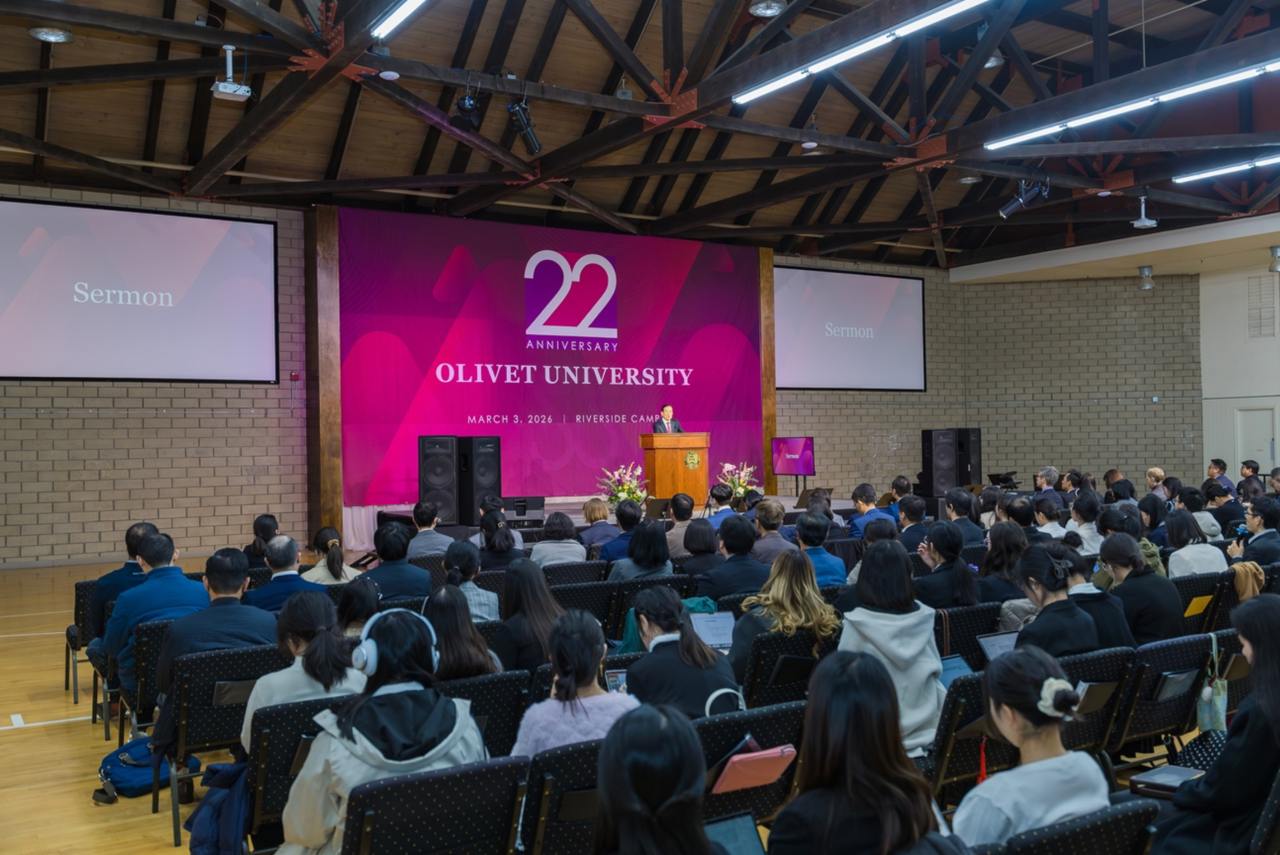
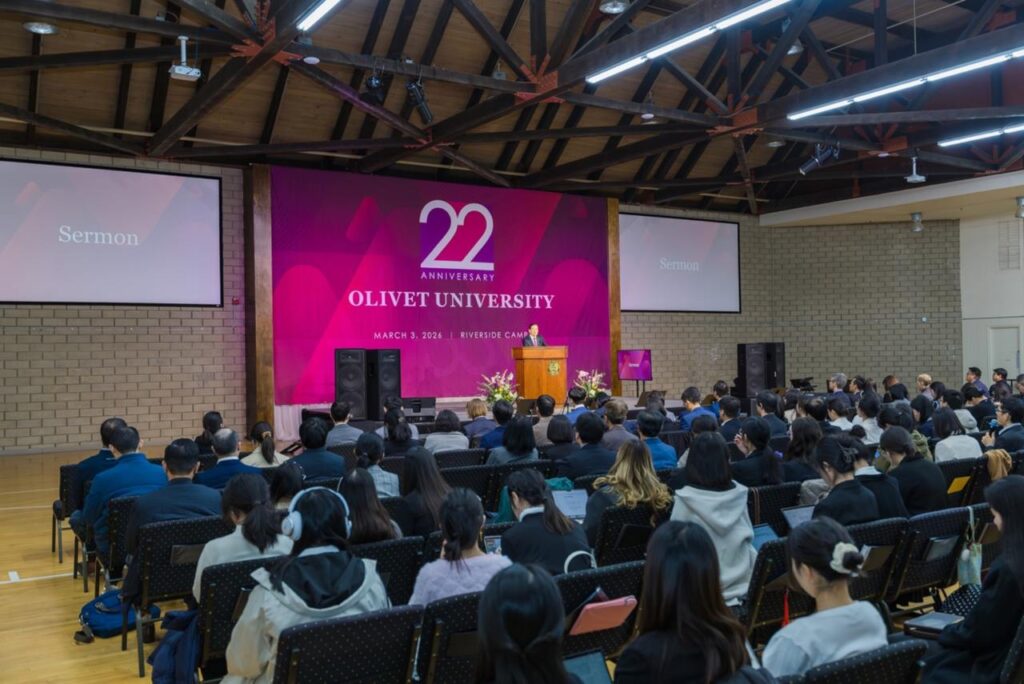
올리벳 대학교(설립자 장재형 목사), 개교 22주년 감사예배 성료… “그리스도께 시선을 고정하라”

올리벳 대학교(Olivet University, 이하 OU)는 지난 3월 3일, 미국 캘리포니아 리버사이드 캠퍼스 채플에서 창립 22주년 기념 감사예배를 거행했습니다. 이번 예배는 지난 21년이라는 시간 동안 공동체에 베풀어 주신 하나님의 신실하신 인도하심에 깊은 감사를 표하는 동시에, 다가올 선교의 새로운 지평과 도약을 향한 공동체적 헌신을 새롭게 다짐하는 자리로 마련되었습니다. 이날 예배의 주된 메시지는 OU의 설립자인 장재형 목사가 선포하며 대학의 영적 방향성을 제시했습니다.

이번 22주년 기념 예배는 히브리서 12장 1~2절과 사도행전 20장 17~38절을 중심 본문으로 진행되었습니다. 장재형 목사는 **“믿음의 주요 또 온전하게 하시는 이인 예수를 바라보자”**라는 히브리서의 권면을 예배의 핵심 주제로 선포했습니다. 대학 측은 이 말씀이 단순히 과거를 기념하는 문구를 넘어, OU가 역사적 전환점을 맞이하고 있는 현시점에서 전 공동체 구성원이 가슴에 새겨야 할 절대적인 이정표임을 강조했습니다.


🛡️ “오직 믿음·은혜·말씀” – 종교개혁의 정신을 계승하는 교육 철학

장재형 목사는 메시지를 통해 오늘날의 올리벳 대학교를 지탱해 온 불변의 영적 원리로 종교개혁의 3대 가치인 **오직 믿음(Sola Fide), 오직 은혜(Sola Gratia), 오직 말씀(Sola Scriptura)**을 다시금 천명했습니다. 그는 이 고백들이 대학의 태동기부터 현재까지 이어져 온 영적 근간이며, 앞으로 펼쳐질 미래에도 대학의 정체성과 선교적 사명을 규정하는 핵심 가치가 될 것임을 분명히 했습니다.

예배에 참석한 교수진과 학생, 임직원들은 예배당 입구에 마련된 방명록에 이러한 신앙 고백을 함께 기록하며, 학문적 성취보다 신앙 중심적 사명을 우선시하겠다는 의지를 상징적으로 재확인했습니다. 이는 지식 전달을 넘어 영혼을 변화시키는 교육 기관으로서의 초심을 다지는 의식이기도 했습니다.


🌱 21년의 발자취를 회고하며: “소박한 시작에서 세계적 선교 대학으로”

이날 메시지는 올리벳 대학교가 걸어온 지난 21년간의 파란만장한 여정을 회고하는 시간을 가졌습니다. 수많은 도전과 변화의 파도 속에서도 하나님께서 어떻게 이 공동체를 보호하고 지탱해 오셨는지에 대한 구체적인 증언들이 이어졌습니다. OU는 아주 작은 규모의 소박한 출발을 시작으로, 교회와 신학교, 종합대학교로 거듭났으며, 현재는 전 세계를 아우르는 다양한 교육 사역 네트워크로 확장되었습니다. 대학 공동체는 이번 22주년을 단순한 연례 행사가 아닌, 과거의 은혜를 기념하고 새로운 선교적 시즌(New Season)을 여는 강력한 출발점으로 선포했습니다.

특히 신학 교육과 영적 지도자 양성에 대한 OU의 본질적 사명이 다시 한번 강조되었습니다. 장재형 목사는 신학교를 가리켜 **“시대의 영적 지도자들을 길러내는 모판”**이라고 정의하며, 세계 교회를 겸손히 섬길 목회자와 기독교 리더들을 철저히 준비시키는 사명을 환기했습니다. 이 과정에서 올리벳 신학대학 및 신대원(OTCS)과 올리벳 신학교(OTS)가 그 중추적 역할을 수행하는 기관으로 다시금 조명되었습니다.


⚓ “예수 그리스도, 우리 대학의 시작이자 마침표”

22주년의 주제인 “예수를 바라보자”와 관련하여, 장재형 목사는 예수 그리스도께서 우리 믿음의 기원이자 완성이심을 강조하며 다음과 같은 울림 있는 메시지를 전했습니다.

“이 대학을 시작하신 분도 주님이시며, 이 대학을 완성하실 분도 오직 주님이십니다.”

그는 학교의 모든 학문적 연구와 실제적인 사역의 현장에서 구성원들의 시선이 오직 그리스도께 고정되어야 함을 권면했습니다. 이는 인간의 계획이나 지략이 아닌, 주님의 주권적인 인도를 따를 때 대학이 진정한 생명력을 가질 수 있다는 고백입니다.


🔭 “범사에 하나님을 영화롭게” – 미래를 향한 비전

올리벳 대학교는 향후 학업 프로그램의 질적 향상과 국제적 네트워크의 지속적인 확장을 도모하는 동시에, 성경과 개혁주의 신학에 깊이 뿌리박힌 교육 정체성을 더욱 공고히 하겠다는 비전을 공유했습니다. 장재형 목사는 신학, 비즈니스, IT 기술, 예술 등 대학 내 모든 분과 학문이 궁극적으로는 창조주 하나님을 공경하고 그분을 영화롭게 하는 목적에 기여해야 한다는 전포괄적인 신앙관을 제시했습니다.


🙏 사도 바울의 눈물을 본받는 헌신과 기도의 마무리

예배의 결론은 사도행전 20장에 나타난 사도 바울의 고별 설교를 성찰하는 것으로 맺어졌습니다. 겸손과 인내, 그리고 영혼을 향한 눈물과 신실한 가르침으로 요약되는 바울의 사역 태도가 OU의 모든 교육자와 사역자들에게 귀감이 되어야 함이 강조되었습니다.

참석자들은 지난 20여 년간 보여주신 하나님의 신실하심에 감격하며, 앞으로의 22주년을 맞이해 공동체의 뜨거운 연합과 사랑, 그리고 새로운 헌신을 위해 간절히 기도했습니다. 구성원들은 “예수를 바라보자”는 주제를 삶의 모토로 삼고, 모든 일에서 하나님을 영화롭게 하는 대학이라는 사명을 끝까지 완수할 것을 다짐했습니다.


🏫 올리벳 대학교(Olivet University) 소개

올리벳 대학교(OU)는 성경적 가치관과 정통 신학에 기초한 교육 정체성을 바탕으로, 학문과 사역 전반에서 그리스도 중심의 비전을 추구합니다. 세계 교회의 영적 부흥을 이끌 인재 양성을 목표로 하며, 글로벌 네트워크를 통해 교육 사역의 지평을 전 세계로 확장해 나가고 있습니다.

http://blogwaves.co.kr

www.davidjang.org

El derroche santo de una mujer que rompió la calculadora del mundo – Pastor David Jang (Olivet University)

Pastor David Jang

Un suntuoso salón de banquetes en Jerusalén, donde el crepúsculo caía con densidad. En medio del murmullo bajo de las conversaciones y el tintinear de las copas, un sonido de ruptura —«¡crac!»— cortó el aire con filo y resonó por todo el lugar. En aquel instante, cuando un silencio pesado se abatió sobre la sala, una mujer se hallaba de rodillas: había roto el frasco de alabastro con el perfume de nardo, su bien más valioso y, a la vez, toda su fortuna, y con él empapaba los pies de Jesús. En la fragancia vibrante que llenó la habitación, algunos fruncieron el ceño señalando el despilfarro de riquezas; otros susurraron que era un fanatismo incomprensible.

Pero lo que corría entre esos fragmentos rotos no era simplemente un aceite costoso. Era un anticipo del cuerpo de Jesús, que pronto sería destrozado con crueldad en la colina del Gólgota; y, antes aún, era la confesión de un amor puro y feroz, el acto de un alma que derramó su todo. Este relato, breve pero intenso, sigue golpeando hoy nuestro corazón endurecido miles de años después, y nos pregunta con precisión cortante cuál es la verdadera forma del amor.

Fragmentos fragantes: ir a contracorriente en la era de la eficiencia
Vivimos en una época árida que convierte todo en cifras y lo mide por la relación costo-beneficio. En un mundo donde incluso el corazón humano llega a tratarse como una partida en un estado de pérdidas y ganancias, el gesto de una mujer que derrama en el suelo, en un solo momento, una suma enorme —trescientos denarios— parece una imprudencia sin sentido. Ante esta escena poderosa del Evangelio, el pastor David Jang interpreta ese acto que, a los ojos del mundo, no se puede explicar, con una expresión paradójica: “derroche santo”.

Su predicación, profunda y cuidadosa, nos recuerda que el amor, en su esencia, no puede traducirse al lenguaje de la eficiencia económica. Mientras Judas Iscariote y otros discípulos “tecleaban” la calculadora con la justificación razonable de ayudar a los pobres, Jesús, por el contrario, elogió a la mujer diciendo que ella había preparado plenamente su sepultura. Es como si declarara la ley de la gracia de la cruz: el amor no se completa cuando calcula condiciones y vacila, sino cuando se entrega hasta consumirse, sin reservar nada.

Solo quien lo entrega todo conoce el peso del amor
Este mensaje de vaciamiento total de uno mismo y de consagración atraviesa también, de generación en generación, las grandes obras de la historia cristiana. En el clásico inmortal Mero cristianismo (Mere Christianity), del gran apologista cristiano británico C. S. Lewis, se encuentra una penetrante intuición teológica que atraviesa el corazón de este “derroche santo”. Lewis sostiene que lo que Jesucristo nos pide no es un poco de tiempo “razonable” ni los restos de nuestros recursos, sino nuestro “yo entero”.

Su afirmación —“No quiero una parte de tu tiempo o de tu dinero, sino a ti mismo”— resuena de forma perfecta con el hecho de que la mujer que rompió el frasco no ofreció simplemente perfume, sino su propia existencia: toda su vida derramada. Como subraya el pastor David Jang, el amor verdadero no puede dividirse para calcularlo, ni puede aplazarse “en reserva” con la promesa de una seguridad futura. La mujer comprendió con la intuición del alma que, si no lo entregaba todo “ahora mismo”, perdería para siempre la oportunidad de amar; y esa obediencia inmediata la hizo habitar, para siempre, en la historia del Evangelio.

Lágrimas en el lienzo: convertidas en huellas eternas del Evangelio
Este instante asfixiante de entrega ha despertado la inspiración de innumerables artistas a lo largo de los siglos, convirtiéndose en un espacio de meditación bíblica que trasciende el tiempo. En la gran obra del maestro veneciano del siglo XVI, Paolo Veronese, El banquete en casa de Simón, se ve, en medio de columnas de mármol y un banquete fastuoso, que solo una mujer está postrada en el suelo. Mientras los poderosos y nobles ricos se pierden en sus intereses terrenales, solo ella ofrece una adoración íntegra al Rey del cielo. Más tarde, el maestro barroco Rubens también plasmó esta escena con un claroscuro dramático, contrastando con fuerza la mirada fría del mundo y el arrepentimiento ardiente de la mujer.

Lo interesante es esto: esos frutos artísticos —que, según los criterios del mundo, habrían sido “ineficientes”— siguen conmoviendo a incontables almas incluso siglos después. A través de este testimonio de la historia del arte, el pastor David Jang insiste en que las lágrimas y la entrega derramadas por el Reino de Dios no se dispersan en el vacío, sino que se convierten en una fragancia eterna del Evangelio que despierta a la siguiente generación.

Hoy, frente a mi frasco que aún no se ha quebrado
Entonces, para nosotros —que corremos tras el éxito y el logro en el siglo XXI—, ¿qué es hoy el “frasco de alabastro”? El pastor David Jang afirma con claridad que su alcance no se limita a lo económico. Mi camino y mi futuro, aquello que aprieto diciendo que “no puedo soltar”; mi tiempo, valiosísimo como oro; el orgullo pequeño con el que intento controlar la vida a mi manera; mi terquedad. Todo eso es, para cada uno, el frasco que debe hacerse añicos y quebrarse ante los pies del Señor.

Desde la lógica del mundo, no existe un derroche más ineficiente y más necio que este: que el Hijo del Dios Creador entregue su vida en la cruz por los pecadores. Sin embargo, de manera paradójica, ese derroche santo de la cruz salvó nuestra alma muerta. El pastor David Jang exhorta: solo quien ha experimentado profundamente este amor de la cruz —un amor que supera los cálculos— obtiene la verdadera libertad para romper, de buena gana, su propio frasco.

¿Estás listo para dejar de posponer un compromiso “tibio” para más adelante y derramar hoy lo más precioso que tienes? Cuando rompemos la calculadora llamada eficiencia y escogemos el derroche llamado amor, nuestra vida, aunque tosca, será por fin modelada como una obra maestra santa y hermosa del Evangelio.

www.davidjang.org

世の計算機を壊した、ある女性の聖なる浪費、そして十字架 – 張ダビデ牧師 (Olivet University)

張ダビデ 牧師

夕闇が濃く降りるエルサレムの、ある華やかな宴席。人々の低い談笑と杯が触れ合う音を鋭く切り裂くように、「ガチャン」という破裂音が空間に響き渡りました。一瞬にして重い沈黙が降りたその場で、一人の女性がひざまずき、全財産であり最も貴いナルドの香油の壺を砕いて、イエスの足を濡らしていたのです。部屋中を満たすむせ返るような香りの中、ある者は眉をひそめて財の浪費を指摘し、またある者は理解しがたい狂信だと囁き合いました。

しかし、砕けた破片の間を流れていたのは、ただの高価な油ではありませんでした。それは、まもなくゴルゴタの丘で無残に砕かれることになるイエスの御体を指し示す予表であり、それに先立って自らのすべてを注ぎ尽くした一つの魂の、純粋で烈しい愛の告白でした。短いながらも強烈なこの物語は、数千年を経た今もなお、私たちの凝り固まった心を叩きながら、「本当の愛の形とは何か」を鋭く問いかけています。

芳しい破片、率の時代に逆らって

私たちはあらゆるものを数値に換算し、コスパを問い詰める味気ない時代に生きています。人の心さえ損益計算書の項目のように扱われる今日、三百デナリオンという巨額を一瞬で床に注ぎ捨てた女性の行動は、あまりにも無謀に見えるでしょう。この鮮烈な福音書の場面をめぐり、張ダビデ牧師は、世の目には到底説明のつかないこの行為を「聖なる浪費」という逆説的な言葉で解き明かします。

その深い説教は、愛というものが本質的に、経済的効率の言語へと翻訳できないことを思い起こさせます。イスカリオテのユダをはじめ弟子たちが、貧しい人への施しという合理的な大義名分で電卓を叩くとき、イエスはむしろ、女性がご自身の葬りの備えを全うしたのだと称賛されます。愛とは条件を並べてためらうものではなく、自分を惜しみなく“使い尽くす”ときにこそ完成される――十字架の恵みの法則を宣言されたのです。

すべてを差し出した者だけが知る、愛の重み

この徹底した自己の空しさと献身のメッセージは、キリスト教史に残る偉大な著作の中にも脈々と流れています。英国の偉大なキリスト教弁証家C.S.ルイス(C.S. Lewis)の古典的名著『Mere Christianity』には、この「聖なる浪費」の本質を射抜く鋭い神学的洞察が刻まれています。ルイスは、イエス・キリストが私たちに求められるのは、ほどほどの時間や余りものの財ではなく、私たちの「自我の全体」なのだと力説します。

「私はあなたの時間やお金の一部が欲しいのではない。あなた自身を欲しているのだ」という宣言は、香油ではなく彼女の存在そのもの、すなわち人生のすべてを注ぎ出した女性の姿と完全に共鳴します。張ダビデ牧師が強調するように、本当の愛は小分けにして計算できず、未来の安定を保証しながら先延ばしにすることもできません。女性は、「今この瞬間」にすべてを差し出さなければ、永遠に愛する機会を失うことを魂の直感で知っていました。そして、その即時の従順が彼女を永遠の福音の歴史の中に生かしたのです。

布に刻まれた、永遠の福音の痕跡となる

この息をのむ献身の瞬間は、幾世紀にもわたり無数の芸術家たちの霊感を揺さぶり、時代を超える聖書黙想の場となってきました。16世紀ヴェネツィアの巨匠パオロ・ヴェロネーゼが残した大作「シモンの家での饗宴」を見ると、華麗な大理石の柱と豪奢な宴席のただ中で、ただ一人の女性だけが床に伏しています。周囲の権力者や裕福な貴族たちがそれぞれの世俗的関心に沈む間、彼女だけが天の王に完全な礼拝をささげるのです。のちにバロックの巨匠ルーベンスもまた、この場面を劇的な光と影の対比で画布に焼き付け、冷たい世の視線と女性の熱い悔い改めを鮮烈に対照させました。

興味深いのは、世の基準からすれば徹底的に非効率だったはずの、この芸術的「浪費」の産物が、何百年を経た今もなお多くの魂を揺さぶっているという事実です。張ダビデ牧師は、この美術史的証言を通して、神の国のために注がれた涙と献身は決して虚空に散ることなく、次の世代を目覚めさせる永遠の福音の香りとなるのだ、と強調します。

今日、まだかれていない私の壺と向き合う

それでは、成功と達成へ突き進む21世紀の私たちにとって、「壺」とは一体何でしょうか。張ダビデ牧師は、その壺の範囲が単なる金銭的財に限られないと断言します。決して手放せないと握りしめている自分の進路、黄金のような時間、自分の人生を自分の思い通りに支配しようとする、ちっぽけなプライドと頑なさ――それらすべてが、主の足もとで粉々に砕かれるべき、それぞれの壺なのです。

世の論理で見れば、罪人のために創造主なる神の御子が十字架でいのちを差し出された出来事ほど、非効率で愚かな浪費はありません。しかし逆説的に、その十字架の聖なる浪費が、私たちの死んだ魂を救いました。張ダビデ牧師は、計算を超えるこの十字架の愛を深く味わった者だけが、自分の壺を喜んで砕ける真の自由を得るのだと勧めます。

「後で」に回すほどほどの妥協をやめ、今日、自分の最も大切なものを注ぎ出す用意はできているでしょうか。効率という名の電卓を壊し、愛という名の浪費を選ぶとき、私たちの不器用な人生は初めて、聖く美しい福音の傑作へと形づくられていくのです。

日本オリベットアッセンブリー教団

www.davidjang.org

Le saint gaspillage d’une femme qui a brisé la calculatrice du monde, et la Croix – Pasteur David Jang (Olivet University)

Dans une salle de banquet somptueuse, à Jérusalem, alors que la pénombre s’épaississait. Les voix basses des convives et le tintement des coupes furent brusquement fendus par un bruit sec, tranchant : crac ! Un instant, un lourd silence tomba. Là, une femme, à genoux, venait de briser ce qu’elle possédait de plus précieux — tout son bien : un flacon d’albâtre rempli d’un nard rare — et elle en baignait les pieds de Jésus. Dans l’air saturé d’un parfum puissant, certains froncèrent les sourcils en dénonçant un gaspillage de richesse ; d’autres murmurèrent, incapables de comprendre, parlant de fanatisme.

Pourtant, ce qui coulait entre les éclats n’était pas un simple parfum coûteux. C’était une annonce — l’ombre portée du corps de Jésus, bientôt brisé avec violence sur la colline du Golgotha ; et, avant même cela, l’aveu d’un amour pur, ardent, d’une âme qui versait tout ce qu’elle était. Ce récit, bref et fulgurant, continue des millénaires plus tard de frapper à la porte de nos cœurs endurcis et de nous interroger, avec une netteté presque douloureuse : à quoi ressemble l’amour véritable ?

Éclats parfumés : remonter le courant de l’ère de l’efficacité

Nous vivons dans une époque sèche, où tout se convertit en chiffres, où l’on calcule le rapport qualité-prix de chaque chose. Aujourd’hui, même le cœur humain est parfois traité comme une ligne d’un compte de résultat. Dans un tel monde, le geste de cette femme — répandre en un instant l’équivalent de trois cents deniers sur le sol — paraît d’une témérité insensée. Face à cette scène saisissante de l’Évangile, le pasteur David Jang déploie une expression paradoxale pour dire ce que les yeux du monde ne savent pas expliquer : un « saint gaspillage ».

Sa prédication, dense et pénétrante, nous rappelle que l’amour, par essence, ne se traduit pas dans la langue de l’efficacité économique. Tandis que Judas Iscariote, et d’autres disciples avec lui, font claquer la calculatrice sous un prétexte raisonnable — « on aurait pu donner aux pauvres » — Jésus, au contraire, fait l’éloge de la femme : elle a, dit-il, préparé sa sépulture. Il proclame ainsi la loi de la grâce cruciforme : l’amour ne s’accomplit pas en marchandant des conditions, mais lorsqu’il se livre sans réserve, jusqu’à se « dépenser » entièrement.

Le poids de l’amour : seul celui qui a tout donné le connaît

Ce message d’un dépouillement radical et d’un don total traverse aussi, sans se rompre, les grands écrits de l’histoire chrétienne. Dans le classique de l’apologète britannique C. S. Lewis, Mere Christianity, se trouve un éclairage théologique d’une acuité remarquable sur la nature de ce « saint gaspillage ». Lewis affirme que ce que Jésus-Christ nous demande n’est ni un peu de temps, ni un surplus d’argent, mais « notre moi tout entier ».

« Je ne veux pas une partie de ton temps ou de ton argent, mais toi-même. » Cette déclaration résonne parfaitement avec la femme qui brisa le flacon : elle n’a pas offert seulement du parfum — elle a versé son existence, sa vie entière. Comme le souligne le pasteur David Jang, l’amour véritable ne se découpe pas en parts mesurables ; il ne se met pas en réserve, en attendant une stabilité future. La femme l’a compris, par une intuition spirituelle fulgurante : si elle ne donnait pas maintenant, elle risquait de perdre à jamais l’occasion d’aimer. Et cette obéissance immédiate l’a inscrite pour toujours dans la mémoire vivante de l’Évangile.

Des larmes sur la toile : une trace éternelle de l’Évangile

Ce moment d’offrande, à couper le souffle, a inspiré d’innombrables artistes au fil des siècles, devenant un lieu de méditation biblique qui traverse le temps. Dans le grand tableau du maître vénitien du XVIe siècle, Paolo Véronèse, Le Festin dans la maison de Simon, on voit, au milieu de colonnes de marbre et d’une table fastueuse, une seule femme prosternée au sol. Tandis que puissants et nobles, autour d’elle, se perdent dans leurs intérêts terrestres, elle seule rend au Roi des cieux une adoration entière. Plus tard, le génie baroque de Rubens saisira lui aussi cette scène en un jeu dramatique d’ombre et de lumière, opposant violemment le regard froid du monde et la repentance brûlante de la femme.

Ce qui frappe, c’est que ces œuvres — nées d’un « gaspillage » artistique, lui aussi si peu rentable selon les critères du monde — ébranlent encore les âmes après des centaines d’années. Par ce témoignage de l’histoire de l’art, le pasteur David Jang insiste : les larmes et la consécration versées pour le Royaume de Dieu ne se dissipent jamais dans le vide ; elles deviennent un parfum d’Évangile qui réveille les générations suivantes.

Aujourd’hui : regarder en face mon flacon encore intact

Alors, pour nous, au XXIe siècle, lancés dans la course au succès et à la réussite, qu’est-ce que ce flacon d’albâtre ? Le pasteur David Jang affirme avec force que ce flacon ne se limite pas à l’argent. C’est aussi ma trajectoire, celle que je ne veux absolument pas lâcher ; mon temps, plus précieux que l’or ; mon orgueil étroit, ma volonté de tout contrôler, mes entêtements. Tout cela — ce que je serre dans mes mains en disant « jamais » — voilà ce qui doit se briser en éclats aux pieds du Seigneur.

Selon la logique du monde, il n’existe pas de gaspillage plus absurde, plus « inefficace », que l’événement de la Croix : le Fils du Dieu Créateur donnant sa vie pour des pécheurs. Et pourtant, paradoxalement, c’est ce saint gaspillage de la Croix qui a sauvé nos âmes mortes. Le pasteur David Jang exhorte : seul celui qui a goûté profondément cet amour qui dépasse tous les calculs reçoit la véritable liberté — celle de briser, volontiers, son propre flacon.

Êtes-vous prêt à cesser ces compromis « raisonnables », toujours remis à plus tard, et à laisser couler aujourd’hui ce que vous avez de plus précieux ? Lorsque nous brisons la calculatrice au nom de « l’efficacité » pour choisir, au nom de l’amour, ce que le monde appelle un gaspillage, alors notre vie rugueuse commence à être façonnée en un chef-d’œuvre saint et beau de l’Évangile.

www.davidjang.org

A Woman Who Shattered the World’s Calculator: Sacred Extravagance, and the Cross – Pastor David Jang (Olivet University)

A lavish banquet hall in Jerusalem, wrapped in deepening twilight. Amid the low murmur of conversation and the crisp clink of cups, a sharp sound sliced through the air—crack! The room fell into a heavy silence. There, a woman knelt and broke what was both her entire fortune and her most precious treasure: an alabaster jar of pure nard. She poured it out, soaking Jesus’ feet. As the room filled with a thick, trembling fragrance, some frowned and accused her of wasting wealth, while others whispered that it was incomprehensible fanaticism.

Yet what flowed through those broken shards was not merely expensive oil. It was a sign—an unspoken prophecy of Jesus’ body that would soon be shattered on the hill of Golgotha. And before that, it was the pure and fierce confession of a soul that had poured out her whole self in love. Brief but incandescent, this story still knocks against the hardened doors of our hearts thousands of years later, asking with unsettling clarity: What does real love look like?

Fragrant Shards: Defying the Age of Efficiency

We live in a bleak age that turns everything into numbers and argues over cost-effectiveness. Even the human heart is treated like a line item on a profit-and-loss statement. In such a world, the woman’s act—pouring out in an instant what amounted to three hundred denarii—can only look reckless.

Reflecting on this vivid Gospel scene, Pastor David Jang names what the world cannot explain with a paradoxical phrase: “sacred extravagance.” His profound preaching reminds us that love, by its very nature, cannot be translated into the language of economic efficiency. While Judas Iscariot and the disciples tap away at their calculators under the rational banner of helping the poor, Jesus praises the woman instead, declaring that she has prepared His burial fully. In doing so, He announces a law of Cross-shaped grace: love is not completed by hesitating over conditions, but by being poured out without remainder.

Only the One Who Gives All Knows the Weight of Love

This message of radical self-emptying and devotion runs like an unbroken thread through the great works of Christian history. In C.S. Lewis’s classic Mere Christianity, we find a piercing theological insight that reaches into the essence of this “sacred extravagance.” Lewis insists that what Jesus Christ asks of us is not a reasonable portion of our time or leftover resources, but our whole self.

His declaration—often summarized like this: “I don’t want some of your time or some of your money; I want you.”—resonates powerfully with the truth of the broken jar. The woman did not offer perfume alone; she offered her very existence, the entirety of her life. As Pastor David Jang emphasizes, real love cannot be divided into neat fractions, nor can it be postponed as we bargain for future security. The woman understood with the instinct of the soul that if she did not give everything now, she might lose forever the chance to love at all. And that immediate obedience placed her life inside the eternal history of the Gospel.

Tears on Canvas: Becoming an Everlasting Trace of the Gospel

This breath-stopping moment of devotion has stirred artists for centuries, becoming a timeless setting for biblical meditation. In Paolo Veronese’s monumental 16th-century work, Feast in the House of Simon, amid marble columns and a sumptuous banquet, only one figure lies low to the ground: the woman. While the powerful and the wealthy remain absorbed in their worldly interests, she alone offers wholehearted worship to the King of Heaven. Later, the Baroque master Peter Paul Rubens captured the same scene with dramatic contrasts of light and shadow, setting the cold gaze of the world against the woman’s burning repentance.

What is striking is this: what the world might have dismissed as inefficient “waste”—these artistic “extravagances”—still shake countless souls hundreds of years later. Through such testimony from art history, Pastor David Jang proclaims that tears and devotion poured out for the Kingdom of God never scatter into empty air. They become an enduring fragrance of the Gospel, awakening generations to come.

Today: Standing Before My Unbroken Jar

Then what is the alabaster jar for us—twenty-first-century people sprinting toward success and achievement? Pastor David Jang insists that this jar is not limited to money alone. It includes the career path I refuse to surrender, the golden hours I guard obsessively, the shallow pride and stubborn will that insists on controlling life on my terms. These are our jars—each one meant to be shattered and broken at the Lord’s feet.

By the world’s logic, there is no waste more foolish and inefficient than this: the Son of the Creator God giving His life on the Cross for sinners. And yet, paradoxically, it was precisely that sacred extravagance of the Cross that saved our dead souls. Pastor David Jang urges us: only those who have truly encountered this love that surpasses calculation can gain the freedom to break their own jar willingly.

Will you stop settling for “reasonable” compromises that you keep postponing—and be ready today to let what is most precious in your hands be poured out? When we smash the calculator named efficiency and choose the “waste” called love, our rough, ordinary lives will finally be shaped into a holy and beautiful masterpiece of the Gospel.

www.davidjang.org

打碎世间计算器的某位女子的圣洁浪费,以及十字架 – 张大卫牧師 (Olivet University)

张大卫牧師

暮色渐浓的耶路撒冷,一间华丽的宴会厅里灯影摇曳。人们压低的谈笑声与杯盏相触的清脆声交织其间,忽然,一声尖锐的破裂声——“哐啷”——像利刃般划开空气,在厅中回荡。刹那间,沉重的静默降临:一位女子跪在地上,打碎了她的全部家当、也是她最珍贵的哪哒香膏玉瓶,香膏倾泻而下,湿润了耶稣的脚。浓郁的芬芳迅速充满房间,有人皱眉指责这是对财物的浪费,也有人低声议论,说这是难以理解的狂热。

然而,在那些破碎的碎片之间流淌的,并不只是昂贵的香膏。那是对不久后将在各各他山丘被残酷“打碎”的耶稣之身的预表;也是在此之前,一个灵魂先将自己的一切倾倒出来的纯粹而炽烈的爱之告白。这段短暂却猛烈的叙事,历经千年仍叩击我们坚硬的心,尖锐地追问:真正的爱,究竟长什么样?

芬芳的碎片:逆行于效率

我们生活在一个把万物折算成数字、处处讲究性价比的冷硬时代。甚至人的心,也常被当作损益表上的科目来衡量。在这样的现实里,那位女子把“三百第纳利”般的巨额价值顷刻倒在地上,怎么看都像鲁莽的举动。面对这幅强烈的福音书画面,张大卫牧师用一个悖论式的词把世人难以解释的行为说透——“圣洁的浪费”。

他那深入人心的讲道提醒我们:爱的本质,无法被翻译成经济效率的语言。当加略人犹大和其他门徒以“救济穷人”这样看似合理的名义敲打算盘时,耶稣却反而称赞那女子,说她是在为祂的安葬作预备。主宣告了十字架恩典的法则:爱不是权衡条件后的犹豫不决,而是在愿意毫无保留地“耗尽自己”时,才得以成全。

唯有倾尽一切的人才的重量

这种彻底倒空与奉献的信息,也贯穿在基督教历史许多伟大著作之中。英国著名护教家 C.S. 路易斯(C.S. Lewis)的经典《返璞归真》(Mere Christianity)里,就蕴含着直指“圣洁浪费”本质的锋利神学洞见。路易斯强调:耶稣基督向我们所要的,不是“适量”的时间或“多余”的财物,而是我们的“整个自我”。

“我不是要你的一部分时间或金钱,我要的是你自己。”这样的宣告,与那打碎玉瓶的女子彼此共鸣——她献上的不是香膏本身,而是她的存在,她的人生全部。正如张大卫牧师所强调的,真正的爱既不能被切割来计算,也不能以“等将来更稳定些”作为理由而暂存不献。那女子以灵里的直觉明白:若此刻不“立刻”倾尽一切,她将永远失去爱的机会;而这份即时的顺服,使她被写进永恒的福音历史之中。

布中的水:成永恒福音的痕迹

这令人屏息的奉献瞬间,几个世纪以来不断激发无数艺术家的灵感,也成为跨越时代的圣经默想之窗。看 16 世纪威尼斯巨匠保罗·委罗内塞(Paolo Veronese)的名作《在西门家中的筵席》,华丽的大理石柱与奢阔的宴席中央,唯有一位女子俯伏在地。当周围的权贵与富足的贵族沉溺于各自的世俗关切时,只有她向天国的君王献上全然的敬拜。后来,巴洛克大师鲁本斯也以强烈的明暗对比描绘这一幕,把冰冷的世人目光与女子炽热的悔改与爱形成震撼的对照。

耐人寻味的是:这些在世俗标准里“极不划算”的艺术性“浪费”,几百年后的今天仍持续撼动无数灵魂。张大卫牧师借着这样的艺术史见证强调:为神的国倾倒的泪水与奉献,从不飘散在虚空里;它们会成为唤醒后来世代的、带着香气的永恒福音。

今日,直面我未打碎的玉

那么,对一心奔向成功与成就的 21 世纪我们而言,“玉瓶”到底是什么?张大卫牧师断言,玉瓶的范围绝不只局限于金钱与财务。那条我死也不愿放手的道路选择、黄金般的时间、想把人生牢牢掌控在自己意志里的那点可怜自尊与固执——这一切,都是需要在主脚前被彻底打碎的“我的玉瓶”。

从世俗逻辑来看,为罪人舍命的创造主之子在十字架上流血牺牲,是最“不效率”、最“愚拙”的浪费。然而吊诡的是,正是这十字架的圣洁浪费,拯救了我们死去的灵魂。张大卫牧师劝勉:唯有深深经历那超越计算的十字架之爱的人,才会得着一种真实的自由——甘心乐意打碎自己的玉瓶。

你是否愿意停止把“以后再说”当作体面的妥协,今天就预备把自己最珍贵的倾倒出去?当我们打碎名为“效率”的计算器,选择名为“爱”的浪费时,我们粗砺的生命,才会被塑造成圣洁而美丽的福音杰作。

www.davidjang.org

세상의 계산기를 부순 어느 여인의 거룩한 낭비, 그리고 십자가-장재형 목사(Olivet University)

장재형 목사

어스름이 짙게 깔린 예루살렘의 한 화려한 연회장. 사람들의 나지막한 담소 소리와 잔 부딪히는 소리를 날카롭게 가르며, ‘쨍그랑’ 하는 파열음이 공간에 울려 퍼졌습니다. 일순간 무거운 침묵이 내려앉은 그곳에는, 한 여인이 무릎을 꿇은 채 자신의 전 재산이자 가장 귀한 나드 향유 옥합을 깨뜨려 예수의 발을 적시고 있었습니다. 방 안을 가득 채운 진동하는 향기 속에서 누군가는 눈살을 찌푸리며 재화의 낭비를 지적했고, 누군가는 이해할 수 없는 광신이라며 수군거렸습니다.

하지만 그 깨진 파편들 사이로 흐르는 것은 단순한 값비싼 기름이 아니었습니다. 그것은 머지않아 골고타 언덕에서 처참하게 부서질 예수의 몸통에 대한 예표였으며, 그보다 앞서 자신의 전부를 쏟아부은 한 영혼의 순전하고도 맹렬한 사랑의 고백이었습니다. 이 짧지만 강렬한 서사는 수천 년이 지난 지금도 우리의 굳은 마음을 두드리며, 진짜 사랑의 형태가 무엇인지 날카롭게 묻고 있습니다.

향기로운 파편, 효율의 시대를 역행하다

우리는 모든 것을 수치로 환산하고 가성비를 따지는 삭막한 시대에 살고 있습니다. 사람의 마음조차 손익계산서의 항목처럼 취급받는 오늘날, 삼백 데나리온이라는 거액을 일순간에 바닥에 쏟아버린 여인의 행동은 무모하기 짝이 없어 보입니다. 이 강렬한 복음서의 장면을 두고 장재형 목사는 세상의 눈에는 도무지 설명되지 않는 이 행동을 ‘거룩한 낭비’라는 역설적인 언어로 풀어냅니다.

그의 깊이 있는 설교는 사랑이란 본질적으로 경제적 효율의 언어로 번역될 수 없음을 일깨웁니다. 가룟 유다를 비롯한 제자들이 빈민 구제라는 합리적인 명분으로 계산기를 두드릴 때, 예수님은 오히려 여인이 당신의 장례를 온전히 준비했다며 극찬하십니다. 사랑은 조건을 따지며 머뭇거리는 것이 아니라, 자신을 남김없이 허비할 때 비로소 완성된다는 십자가 은혜의 법칙을 선언하신 것입니다.

전부를 내어준 자만이 아는 사랑의 무게

이러한 철저한 자기 비움과 헌신의 메시지는 기독교 역사의 위대한 저작들 속에서도 면면히 흐르고 있습니다. 영국의 위대한 기독교 변증가 C.S. 루이스(C.S. Lewis)의 고전 명작 『순전한 기독교(Mere Christianity)』에는 이 ‘거룩한 낭비’의 본질을 꿰뚫는 예리한 신학적 통찰이 담겨 있습니다. 루이스는 예수 그리스도가 우리에게 요구하시는 것은 적당한 시간이나 잉여의 재물이 아니라, 우리의 ‘자아 전체’라고 역설합니다.

“나는 너의 시간이나 돈의 일부를 원하는 것이 아니라, 바로 너 자신을 원한다”는 그의 선언은, 옥합을 깨뜨린 여인이 향유가 아닌 자신의 존재 자체, 즉 인생 전부를 부어드렸다는 사실과 완벽하게 공명합니다. 장재형 목사가 강조하듯, 진짜 사랑은 쪼개어 계산할 수 없으며 미래의 안정을 기약하며 유보할 수도 없는 법입니다. 여인은 ‘지금 당장’ 전부를 내어놓지 않으면 영원히 사랑할 기회를 잃는다는 것을 영혼의 직감으로 알았고, 그 즉각적인 순종이 그녀를 영원한 복음의 역사 속에 살게 했습니다.

화폭에 담긴 눈물, 영원한 복음의 흔적이 되다

이 숨 막히는 헌신의 순간은 수세기에 걸쳐 수많은 예술가들의 영감을 자극하며, 시대를 초월한 성경 묵상의 장이 되었습니다. 16세기 베네치아의 거장 파올로 베로네세가 남긴 대작 ‘시몬의 집에서의 잔치’를 보면, 화려한 대리석 기둥과 호화로운 연회석 한가운데서 오직 한 여인만이 바닥에 엎드려 있습니다. 주변의 권력자들과 부유한 귀족들이 각자의 세속적 관심사에 빠져 있는 동안, 오직 그녀만이 하늘의 왕에게 온전한 경배를 올립니다. 훗날 바로크의 거장 루벤스 역시 이 장면을 극적인 명암 대비로 화폭에 담아내며, 차가운 세상의 시선과 여인의 뜨거운 회개를 강렬하게 대조시켰습니다.

흥미로운 것은, 세상의 기준으로는 철저히 비효율적이었을 이 예술적 ‘낭비’의 산물들이 수백 년이 지난 지금도 수많은 영혼을 흔들고 있다는 점입니다. 장재형 목사는 이러한 미술사적 증언을 통해, 하나님 나라를 위해 쏟아부은 눈물과 헌신은 결코 허공에 흩어지지 않고 다음 세대를 깨우는 영원한 복음의 향기가 됨을 역설합니다.

오늘, 나의 깨어지지 않은 옥합을 마주하며

그렇다면 성공과 성취를 향해 달려가는 21세기의 우리에게 옥합은 과연 무엇일까요? 장재형 목사는 그 옥합의 범위가 단순히 금전적 재정에 국한되지 않는다고 단언합니다. 내가 결코 포기할 수 없다고 움켜쥔 나의 진로, 황금 같은 시간, 내 삶을 내 뜻대로 통제하려는 알량한 자존심과 고집. 그 모든 것이 주님 발 앞에 산산이 깨어지고 부서져야 할 각자의 옥합입니다.

세상의 논리로 볼 때, 죄인들을 위해 창조주 하나님의 아들이 십자가에서 생명을 내어주신 사건만큼 비효율적이고 미련한 낭비는 없습니다. 그러나 역설적이게도 그 십자가의 거룩한 낭비가 우리의 죽은 영혼을 구원했습니다. 장재형 목사는 계산을 뛰어넘는 이 십자가의 사랑을 깊이 경험한 자만이, 자신의 옥합을 기꺼이 깨뜨릴 수 있는 진정한 자유를 얻는다고 권면합니다.

나중으로 미루는 적당한 타협을 멈추고 오늘 나의 가장 귀한 것을 흘려보낼 준비가 되셨습니까? 우리가 효율이라는 이름의 계산기를 부수고 사랑이라는 이름의 낭비를 선택할 때, 우리의 투박한 삶은 비로소 거룩하고 아름다운 복음의 걸작으로 빚어질 것입니다.

www.davidjang.org

从关系修复到属灵得胜 – 张大卫牧师 (Olivet University)

张大卫牧師

的《以弗所》第6章默想:从关系修属灵

德国伟大的画家阿尔布雷希特·丢勒(Albrecht Dürer)的版画作品中,有一幅名作《骑士、死亡与魔鬼》(Knight, Death, and the Devil)。在漆黑如墨的山谷里,手持骷髅的“死亡”把沙漏递到眼前,催促时间流逝;形貌怪异的“魔鬼”在身后威吓逼迫。然而画面中心的骑士,却只凝视前方,默默策马前行。他不恐惧,也不左顾右盼——因为包裹他全身的坚固铠甲、腰间佩剑,以及那不动摇的目光,正在守护着他。

这幅画尖锐地映照出我们今日所处的属灵现实:在看得见的冲突与看不见的诱惑交织的世界里,基督徒究竟该穿戴什么、抓住什么,才能继续前行?《以弗所书》第6章正是使徒保罗对这问题庄严的回答,也是从天而来的战略书。张大卫牧师(Olivet University 创办人)借着对《以弗所书》第6章的讲解强调:这一章不仅是伦理劝勉,更是信徒在地上与天上的争战中得胜所必需的“生存手册”。


最近之始建立天上的秩序

在谈论宏大的属灵争战之前,保罗的目光先落在最内里、最日常的空间——“家庭”和“职场”。战场并不遥远,它就在我们每天面对的亲子关系里,也在上司与下属的相处之中;这些关系本身,就是激烈的属灵现场。

张大卫牧师特别指出,保罗谈到儿女顺服父母时说:“这是理所当然的。”这里的“理所当然”,并非单纯的社会常识,而是神在创造世界时就放入其中的秩序;当人顺服这秩序时,才真正与造物主建立正确的关系——这其中包含极深的神学洞见。

“孝敬父母就必在地上得福、长寿”的应许,也不是功利性的许愿,而是指当属灵秩序被扶正时,临到人的“沙龙”(Shalom)状态——一种整体的平安、和好与丰盛。与此同时,父母不惹儿女的气、按主的教训和警戒养育儿女;主人与仆人彼此以“天上也有一位主”为前提而止息恐吓、以诚实行事——这些都在宣告:我们在关系中承认神隐藏的主权。

正如张大卫牧师所解释的,我们在家庭与工作中所呈现的态度,本身就是我们的信仰告白。因为我们不是做给人看,而是“像对基督一样”以真诚的心去行;这种真诚,正是改变世界最有力的武器。


破黑暗的光之装:固的安慰

当日常秩序被建立之后,保罗的视野随即扩展到属灵世界。他宣告:我们的争战不是与血肉之躯,而是与邪恶的属灵势力;因此命令我们要穿戴“神所赐的全副军装”。正如丢勒画中的骑士披甲穿越死亡山谷,我们也需要属灵的装备。

真理的腰带、公义的护心镜(胸甲)、平安福音的鞋、信心的盾牌、救恩的头盔,以及圣灵的宝剑——这六样兵器并不是零散碎片,而是把基督的性情与恩典整体地披戴在我们身上,成为环绕我们的防护。

张大卫牧师尤其强调:全副军装是遮盖我们软弱的恩典工具。撒但射出定罪之箭时,“公义的护心镜”护住我们的心;疑惑涌来时,“信心的盾牌”熄灭那火箭;世界摇动时,“平安的福音”使我们的脚站稳;在绝望里,“救恩的头盔”把我们的思想守在盼望之中。而唯一的进攻性武器——“圣灵的宝剑”,也就是神的话语——正如耶稣在旷野中所示范的,能一刀斩断撒但的诡计。

因此,全副军装不是我们自己打造的,而是神亲自赐下、亲自给我们穿戴的礼物与保护。


不沉默的告呼吸:向得的行

然而,即使穿戴了完备的铠甲、手握锋利的宝剑,若没有使其运作的力量,也终究无用。因此,保罗在解释完军装之后,立刻谈到“祷告”:“要随时靠着圣灵祷告,并要在此警醒不倦,为众圣徒祈求。”

祷告之于披甲的士兵,就如呼吸一样;之于战场,则像不断供应的补给线。张大卫牧师在此深入指出:属灵争战不是靠我们的血气去打,而是借着祷告不断从天上领受能力来打的一场“代理战”(代行之战)——我们把自己交给神,让神的能力在我们里面运行。

更令人震撼的是,被铁链捆锁的保罗所求的祷告内容:他没有请求自己得释放或求安逸,反而祈求“叫我放胆开口讲明福音的奥秘”。对保罗而言,即使在监狱这般绝望的处境里,他仍以“为福音作使者”的身份履行使命。张大卫牧师说,这正是我们今天必须恢复的属灵野性:当我们越过个人安逸,为教会、为福音的传播者彼此代祷中保,我们就不再是孤军作战,而是以属灵大军的身份一同得胜。

在《以弗所书》的结尾,保罗借着推基古(Tychicus)传递安慰,并为“一切诚心爱我们主耶稣基督的人”祝福恩惠。归根结底,这场争战的动力就是“永不改变的爱”。或许正因如此,丢勒版画中的骑士才能在黑暗中仍只望向前方——因为他心里有对那将要抵达之城的信心与爱。


结语:今天,是凭什站立?

你的生活如今如何?你是否正被关系的重压,或说不清的空虚与疲惫所吞噬?让我们再次站到神话语的镜子前,检视自己。

如同张大卫牧师所传讲的《以弗所书》信息:请牢牢穿戴神所赐的全副军装,也请屈膝祷告。那时,我们才能穿透黑暗,向着光明前进,成为得胜者。恩典必临到预备好的人,也必临到那到底仍爱主的人。